
Málaga
3 nights / 4 days
When we first moved to Spain 20 years ago, international visitors tended to consider Málaga somewhere to rush through on the way to the airport or the beach, but a lot has changed since then. The city centre has blossomed with the addition of a new cruise port terminal and several new art museums, capitalising on Málaga’s status as the birthplace of Pablo Picasso. It’s now a popular city break destination in its own right.
Founded by the Phoenicians, Málaga has a long and turbulent history, which is deeply intertwined with its relationship to the sea. The city’s attractions reflect this diverse heritage, from the Roman theatre, Muslim Alcazaba and Gibralfaro and Christian Cathedral, through to the modern cruise port and the contemporary art of the Centre Pompidou. There’s really something for everyone.
Day 1
Once you arrive in Málaga, head to the pedestrianised area near the cathedral. It’s likely to be bustling, but things should calm down once the cruise passengers and other daytrippers head off.
Málaga Cathedral
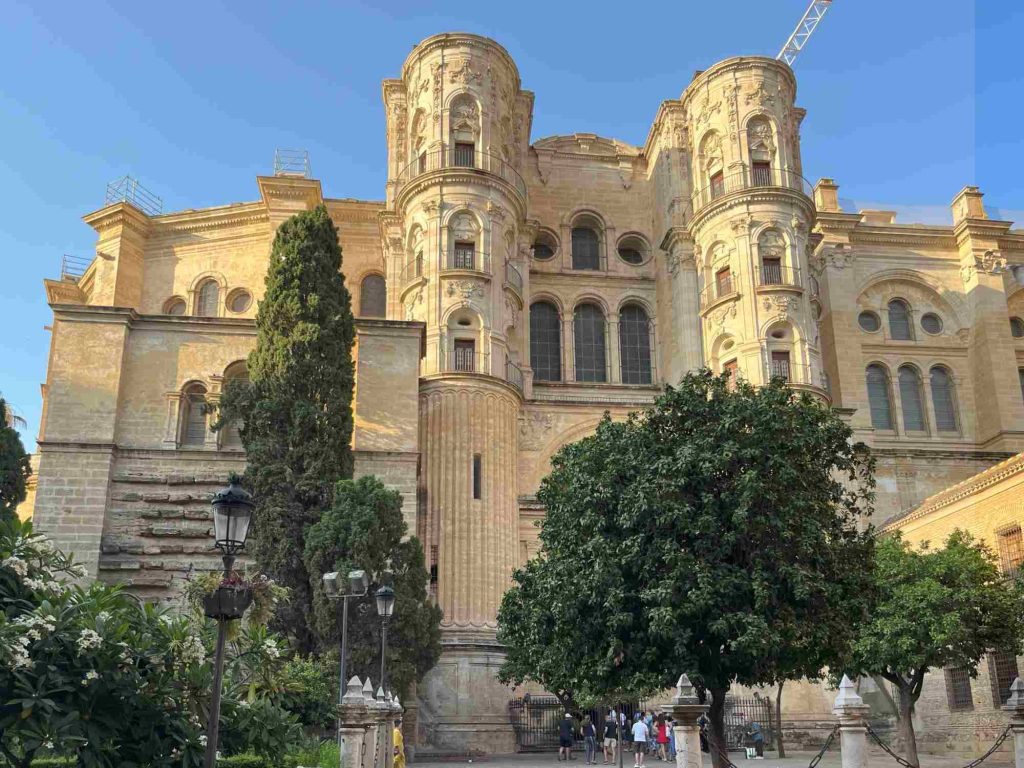
Visit Málaga Cathedral, which was built on the site of the former main mosque. Construction began in the 1520s, but it was only completed in 1768, and some people still say it’s missing a second tower. During the 250 years it took to build the cathedral, tastes changed, so the building represents a synthesis of styles ranging from late Gothic through to Baroque.
Evening
Near the cathedral on Calle Cañon, La Bocaná is a good choice for light tapas and drinks. Heading towards the Roman theatre on Calle Alcazabilla, Uvedoble Taberna has a varied menu and pleasant outdoor terrace. There are plenty more restaurants in the area, but price and quality vary considerably, so it’s worth checking the menu and latest reviews before sitting down.
Day 2
On your first full day in Málaga, get some of its main sights under your belt – the Muslim Alcazaba and Gibralfaro that loom above the port and the Picasso Museum. Hopefully you’ll also have time for a leisurely stroll along La Malagueta beach and a spot of grilled fish or seafood.
Morning
Málaga’s Muslim heritage
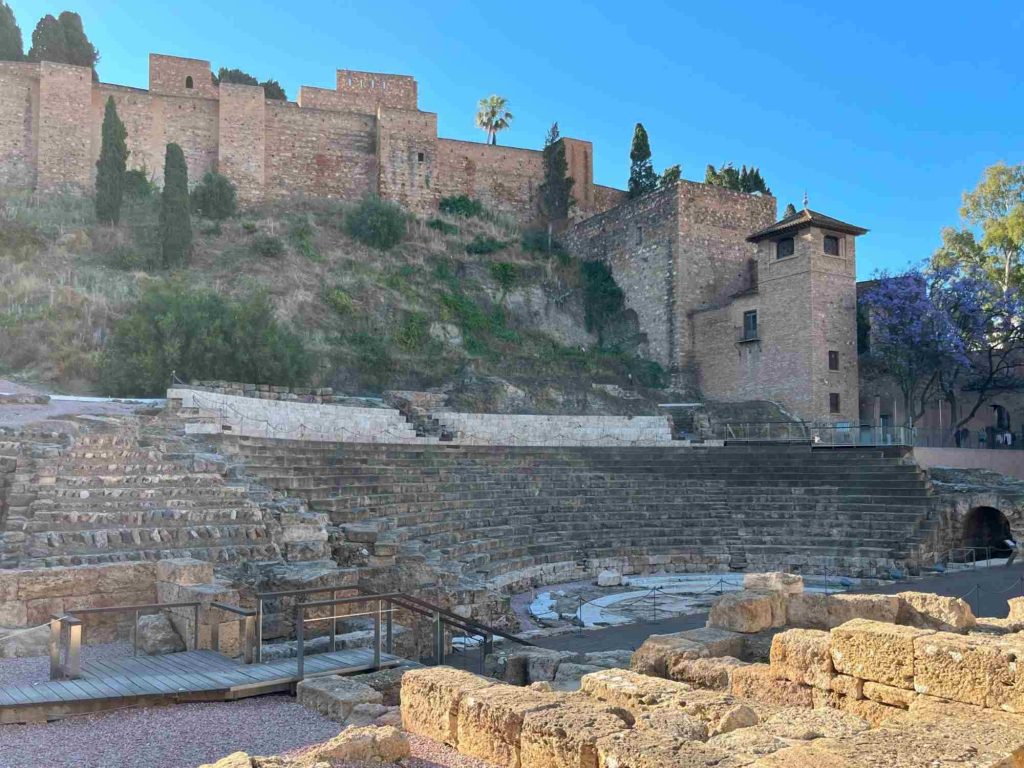
Visit the Alcazaba and Gibralfaro for a taste of the period from 711 until 1487 when Málaga was under Muslim rule. Once the citadel where the city’s elite lived, the Alcazaba has many beautifully decorated rooms and courtyards.
On the hill above the Alcazaba, the Gibralfaro fortress offers unrivalled views of the city from its impressive ramparts. In the old gunpowder magazine, there is an interpretation centre which tells the story of the castle.
Lunch
If you’re feeling fit, it’s a very pleasant walk back down to the city from the Gibralfaro.
Once you’re down, head to La Malagueta beach for some grilled fish and seafood at a “chiringuito” beach restaurant.
Afternoon
Picasso Museum
Málaga is famous as Picasso’s birthplace, and the Picasso Museum offers a chronological tour of his work, covering all the main periods of his incredibly varied artistic output.
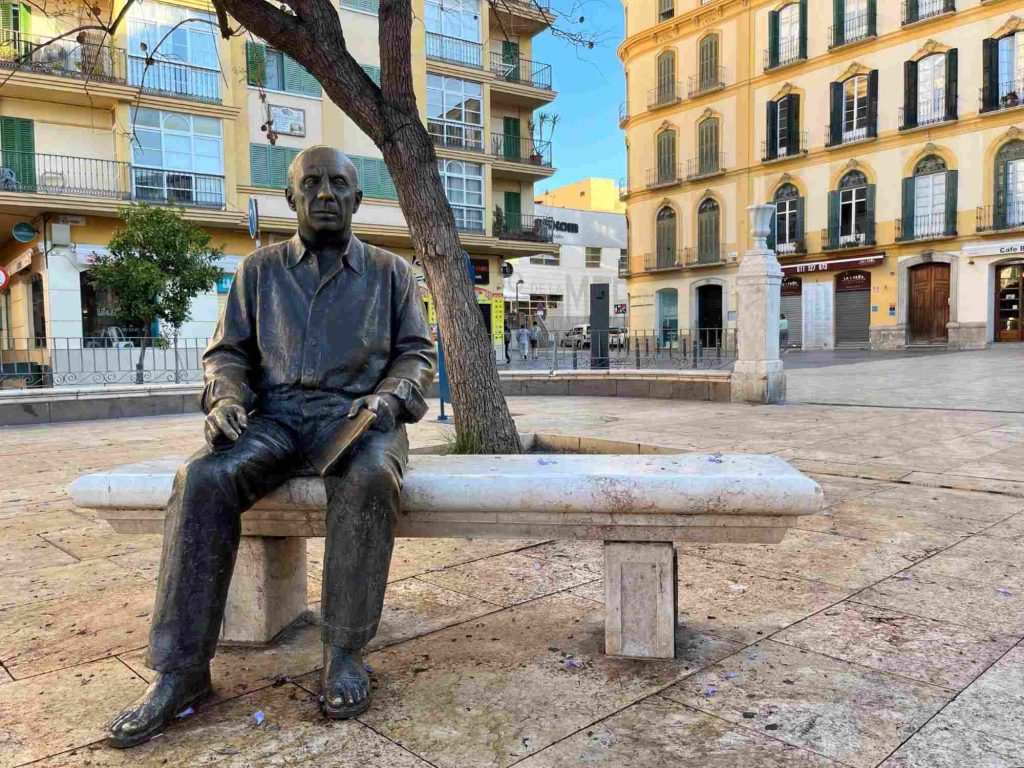
As well as the art museum, you can visit the house where Picasso grew up on Plaza de la Merced. It tells the story of Picasso’s early life and gives a fascinating insight into how the aspiring middle classes lived in Málaga in the late 19th century.
Evening
Several of Málaga’s hotels have rooftop bars or restaurants. For example, La Terraza de la Alcazaba is a good choice for a sundowner with views of the Alcazaba and the city’s skyline.
There are restaurants for all tastes and budgets in Málaga, including some with Michelin stars. If you have your heart set on a particular one, be sure to reserve a table in advance.
Day 3
On the third day, step a bit away from the most touristy part of town to explore more of Málaga’s port and historic centre. Our VoiceMap audio tour The Making of Modern Málaga tells the story of how Málaga was briefly at the centre of Spain’s industrialisation in the 19th century, before being overwhelmed by political and economic turmoil.
In the afternoon, take in a museum or two, or catch the bus out to the tranquil La Concepción Botanical Garden.
Morning
Málaga’s port and historic centre
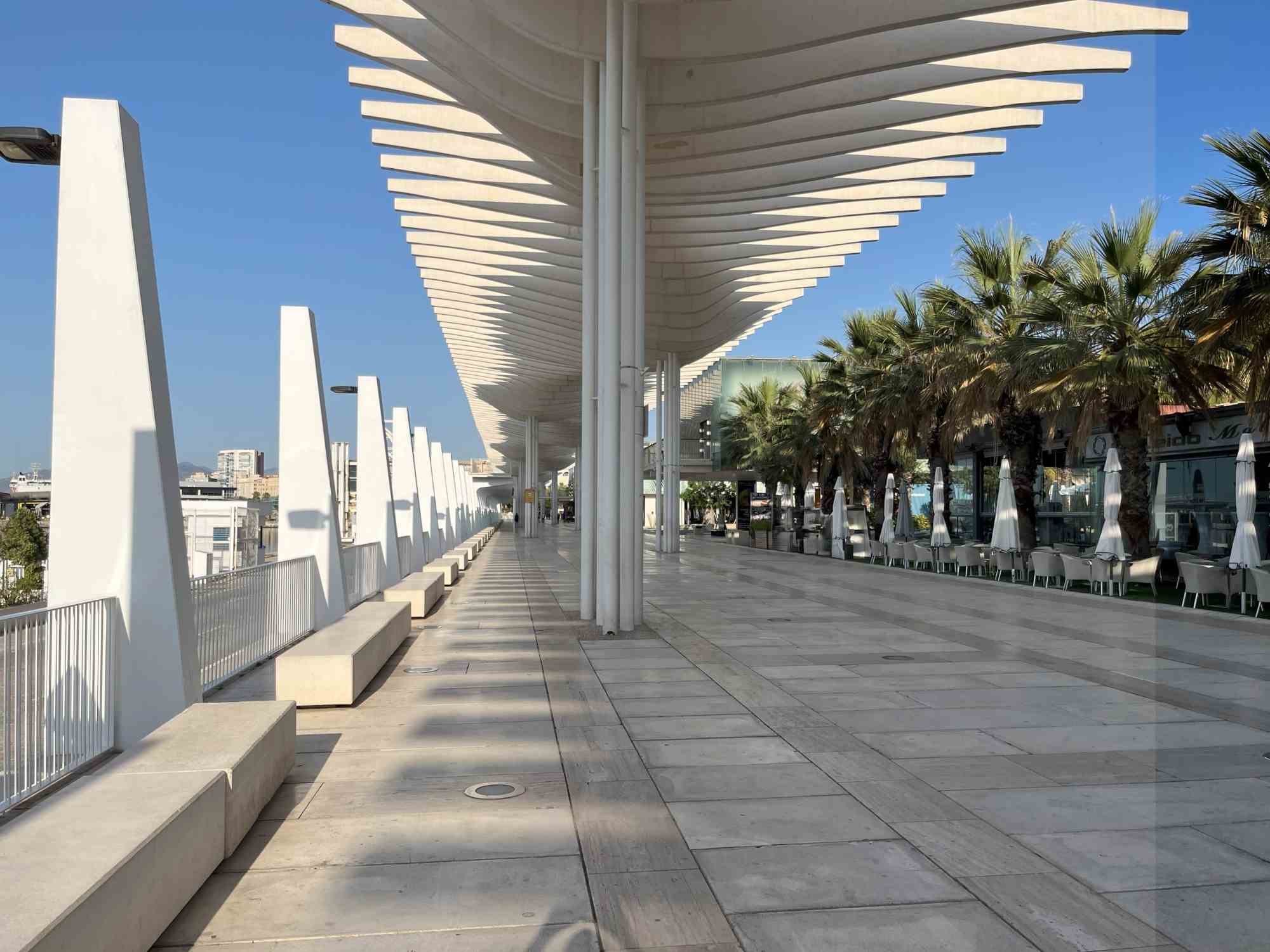
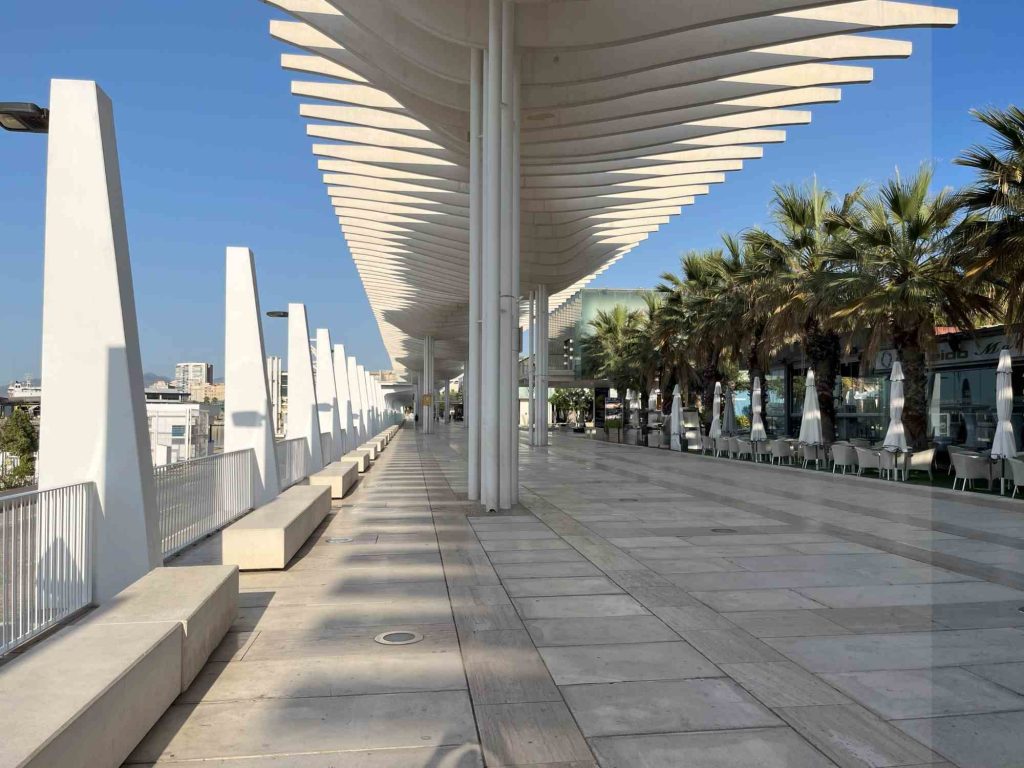
After Málaga’s new cruise port was opened in 2011, the city’s harbourfront has been transformed into one of the most popular places for visitors to go for a stroll or just hang out with a drink watching the world go by. Málaga’s historic centre, centred around Plaza de la Constitución, is also largely pedestrianised, so it’s very pleasant to get lost in its winding streets. Sights worth visiting include the wine museum ($) and the Roman theatre.

Lunch
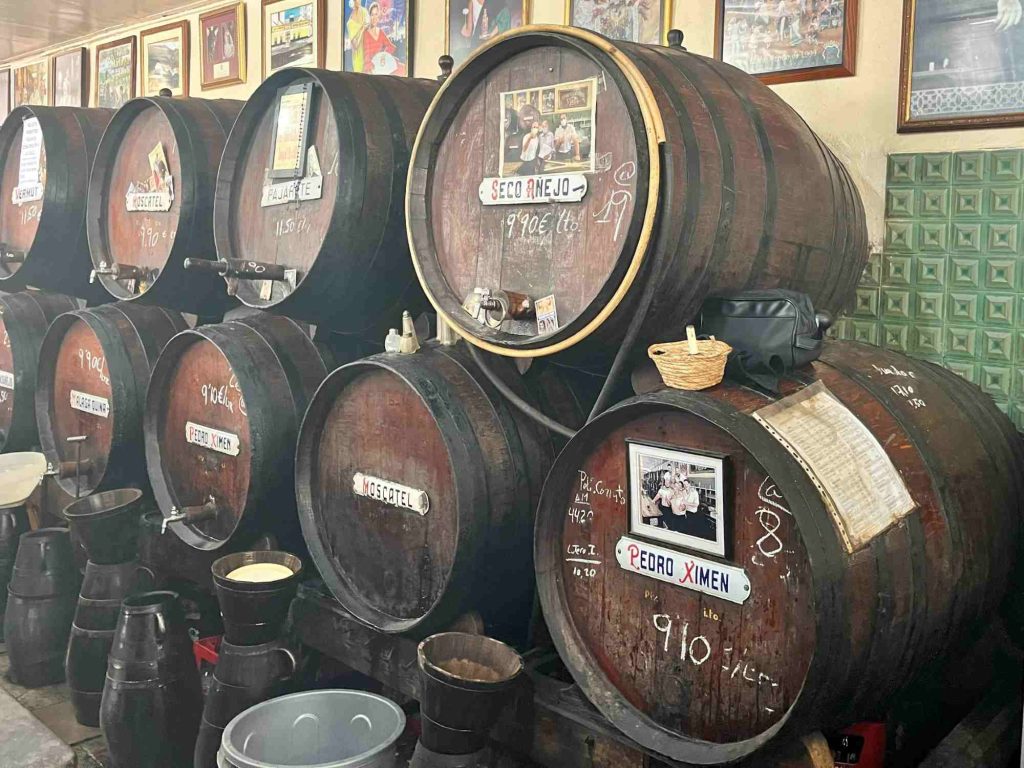
Grab a casual lunch at the Atarazanas market or at one of the many bars and restaurants in the surrounding streets, including Málaga’s oldest bar, the Antigua Casa de Guardia.
Afternoon
An afternoon at the museum
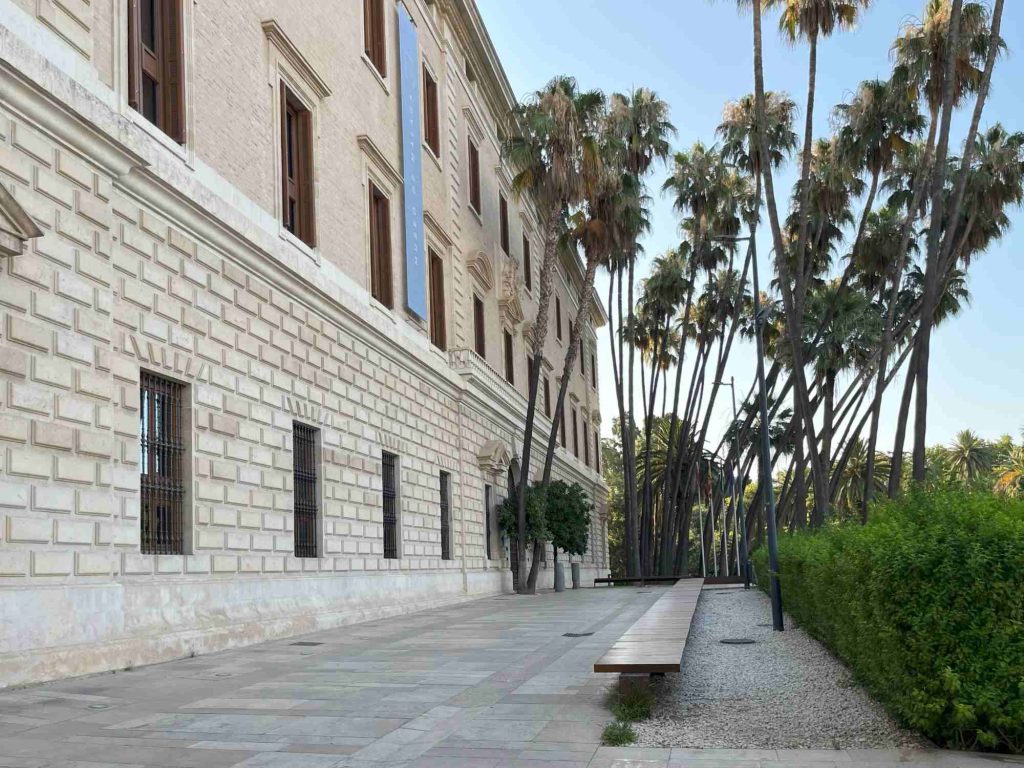
While away the afternoon at one of Málaga’s many outstanding museums. Art collections include the Centre Pompidou Málaga ($), with high-quality modern and contemporary art, and the Carmen Thyssen Museum ($), which is a great place to discover local 19th and early 20th century art. The excellent Museum of Málaga houses the city’s collections of archaeology and art, and the Automobile and Fashion Museum ($) is also very popular.
La Concepción Historical Botanical Garden
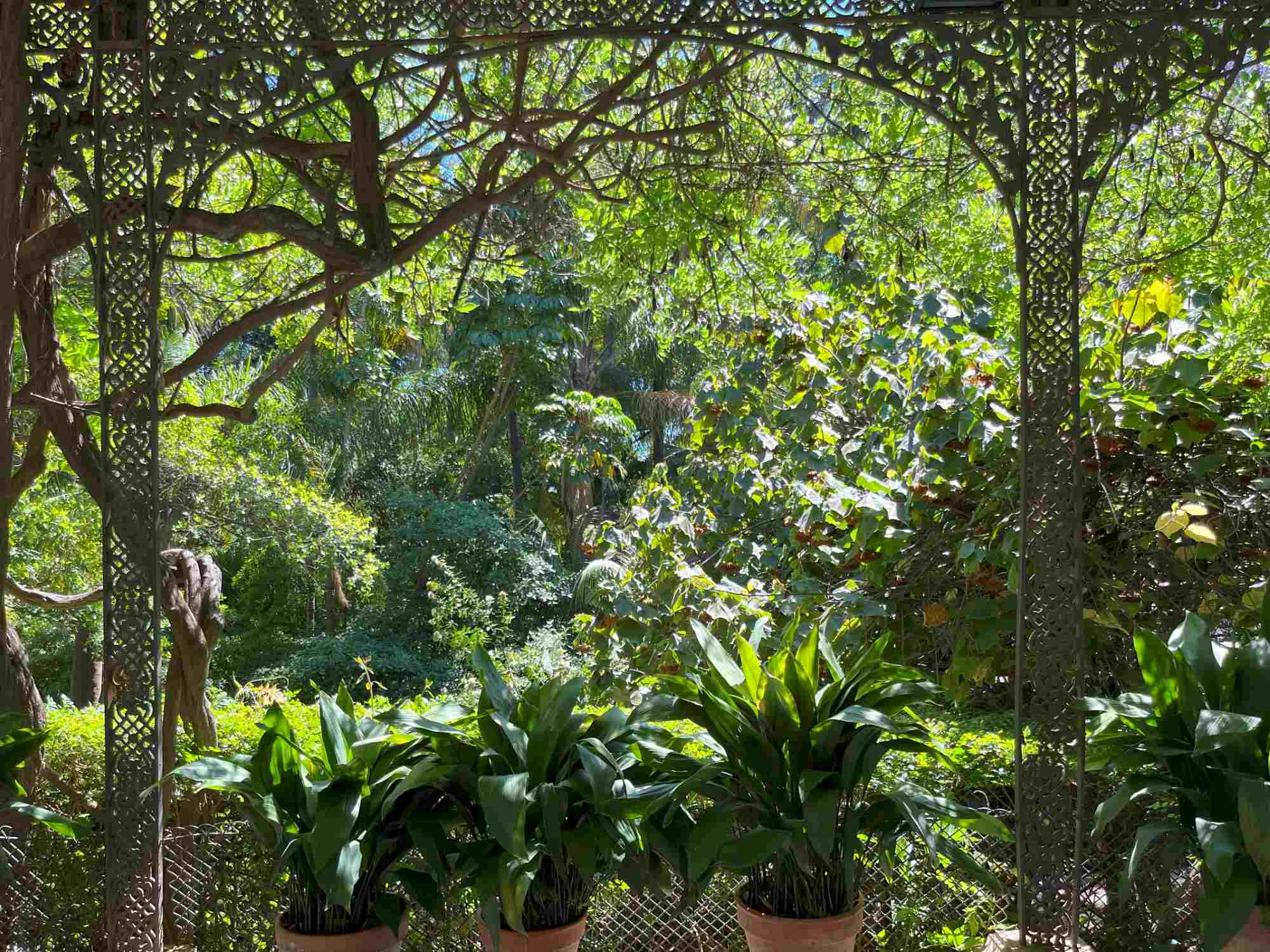
If museums aren’t your thing, why not head to La Concepción. Once the home of one of Málaga’s wealthiest families, it is now a botanical garden with a beautifully laid out collection of plants from all over the world. It’s a short bus or taxi ride away from the city centre.
Evening
Mix with the great and the good in the iconic bar El Pimpi or get tapas in a traditional bar like Bodegas Tranca.
Day 4
If you have time on your last day, take in another museum or simply stroll along the seafront.
Related audio tours
Save money with a tour bundle
If you have some extra days in Málaga, both Antequera and Marbella make excellent day trips. Our tour bundle covers all three cities.
Included audio tours:
- The Making of Modern Málaga: Two Centuries of Tragedy and Triumph
- Mediterranean Marbella: From Moorish Medina to Luxury Resort
- Romantic Antequera: The City of Ballad and Chronicle
Questions and answers
You can see Málaga’s historic centre and port in a day, but if you’re interested in art, it’s worth stopping longer to give you time to visit some of its excellent art museums. It also offers lots of choice for foodies, from traditional tapas bars to Michelin-starred restaurants, and everything in-between. If you want to do any day trips from Málaga, or chill out on the town beach, you should allow extra time.
Málaga does get very busy, especially when there are a few cruise ships in port. Early mornings and evenings tend to be quieter, particularly mid-week. You can avoid the worst of the crowds if you step outside the most touristy areas around the cathedral, Picasso Museum and Calle Marqués de Larios.
Málaga Museum both have excellent collections of Andalucian art, particularly from the 19th and 20th centuries. The Centre Pompidou Málaga puts on temporary exhibitions of contemporary art and the Collection of the Russian Museum hosts temporary exhibitions of works from the Russian State Museum in St. Petersburg.
Málaga’s wine museum has some interesting exhibits on the various types of wine produced in the province and the history of the local wine-making industry. The entry ticket also includes tasting two wines.
Yes, it’s worth visiting the Alcazaba and Gibralfaro to get a taste of Málaga’s Moorish past. The Alcazaba isn’t as spectacular as the Alhambra in Granada or the Real Alcázar in Seville, but it has some beautiful patios with intricate stucco decoration, and you get a sense of what the fortified citadel would have been like. The ramparts of the Gibralfaro offer great views of the city and mountains and Mediterranean beyond, and there’s a military museum at the centre of the complex. There are separate and joint tickets available for the Alcazaba and Gibralfaro.