
Úbeda
Day trip
Together with neighbouring Baeza, Úbeda is a UNESCO World Heritage Site, recognised for its beautifully preserved Renaissance architecture. Úbeda makes a great day trip from Granada and, if you have a car, from Córdoba. You can combine it with Baeza, but really you need the full day in Úbeda to do it justice. If you stay overnight, you can soak up the beautiful surroundings in one of the town’s squares after the day trippers have gone.
A lot of visitors to Úbeda don’t get beyond the main sights on the Plaza Vázquez de Molina and Plaza 1 de Mayo, but there’s much more to the town. If you want get a bit off the beaten track while learning about Úbeda’s history and architecture, try our 90-minute VoiceMap audio tour.
If you’re on a day trip, it’s a good idea to prioritise the sights you want to go into, as you won’t have time to visit everything, and most sights close for several hours around lunch. If you’re using public transport, you may find you need to leave before they reopen in the afternoon. The tourist office on Plaza de Andalucía will give you the current listing of opening times.
Morning
Sacra Capilla del Salvador (Holy Chapel of the Saviour)
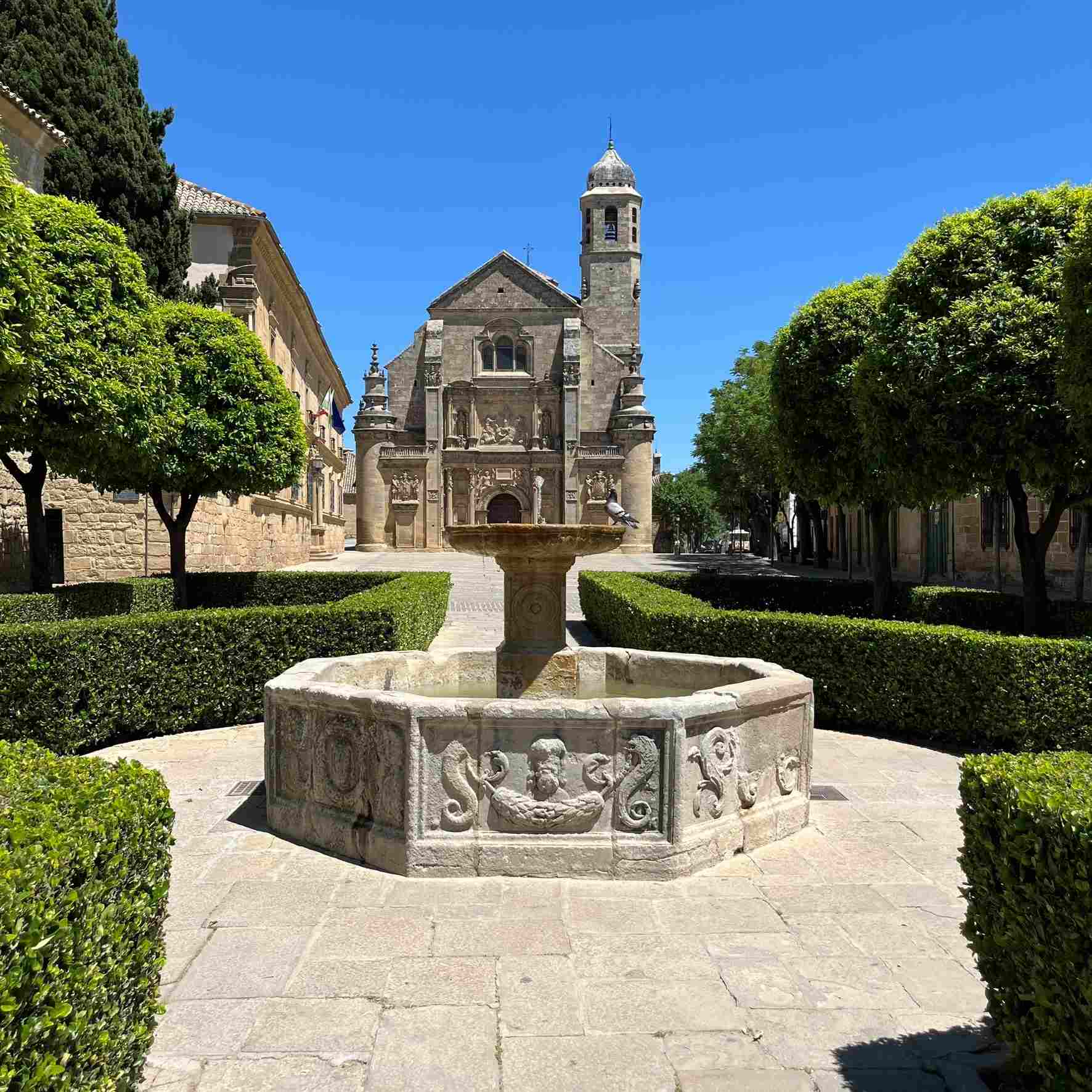
The outstanding sight in Úbeda is undoubtedly the Sacra Capilla del Salvador, or Holy Chapel of the Saviour, considered one of the masterpieces of the Spanish Renaissance. It was commissioned as a funerary chapel by Francisco de los Cobos, who had become immensely wealthy through his position as secretary to the Emperor Charles V. No expense was spared, with the finest craftsmen being brought in to decorate it.
The original design was by Diego de Siloe, the architect behind Granada Cathedral, but Andrés de Vandelvira was responsible for executing the project, and he designed the magnificent sacristy. Work on the chapel began in 1535, and after the death of de los Cobos in 1547, it was completed in 1559 under the auspices of his widow María de Mendoza.

Medieval and Renaissance Úbeda
Úbeda is packed with well-preserved buildings from the medieval and Renaissance periods. These include interesting churches like San Pablo and Santa María de los Reales Alcázares ($), as well as elegant mansions such as the Palacio Juan Vázquez de Molina, the Palacio del Deán Ortega and the Palacio Vela de los Cobos ($).
Úbeda also has a number of lovely squares, which are the perfect place to enjoy a coffee or a beer as you admire the fine architecture and watch the world go by. Climb the clock tower in Plaza de Andalucía for a commanding view of the town.


Jewish Úbeda
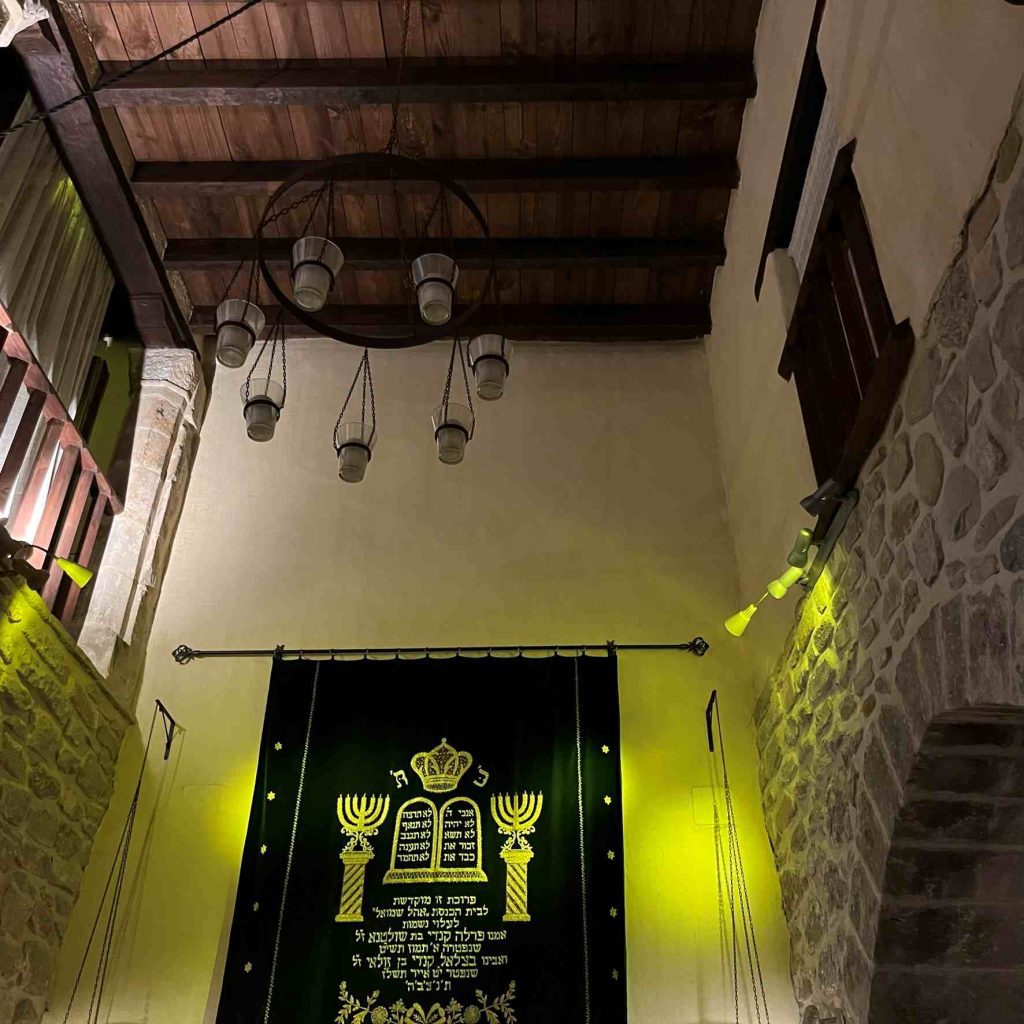
Úbeda was home to an important Jewish community in the Middle Ages, and there are several sights relating to that part of its heritage. These include the Plazuela de la Judería ($), which gives you a fascinating insight into Jewish life in medieval Spain, and the Sinagoga del Agua ($), which may have been a clandestine synagogue. Both visits are by guided tour in Spanish, but the Sinagoga del Agua does provide information in English.
Lunch
You’re spoiled for choice in Úbeda, which has a great food culture and lots of reasonably priced bars and restaurants. On Calle Real, Metropolitan la Real and Taberna la Botica are both great options. Misa de 12 on Plaza 1 de Mayo is the perfect place for a drink or casual bite to eat while watching the world go by. On the same square, a slightly more upmarket choice is Lolana or, if you really want to push the boat out, Cibus.
Afternoon
Olive and Olive Oil Interpretation Centre
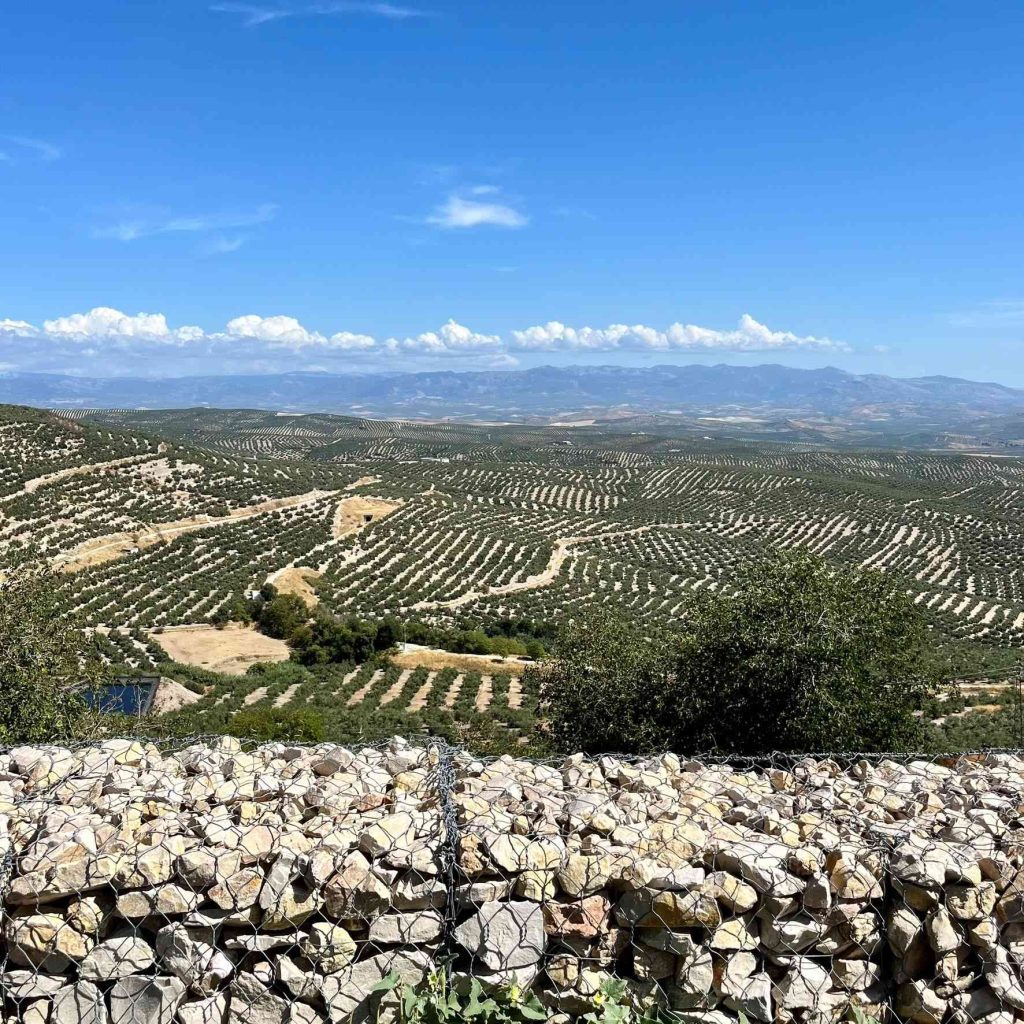
You can find out all about the history of olive cultivation and oil production at the Olive and Olive Oil Interpretation Centre ($) in Úbeda. They offer tastings and there’s also a shop.
Ceramics
Úbeda has been a centre of ceramics production since the Middle Ages. You can visit one of the workshops where they still produce pottery the traditional way, using a so-called Arab oven. The Paco Tito museum in one of the workshops has interesting exhibits on the history of the local ceramics industry.

Related audio tours
Questions and answers
Úbeda is a compact town with an amazingly well-preserved Renaissance old quarter, including Vandelvira’s masterpiece, the Sacra Capilla del Salvador (Chapel of the Holy Saviour), so it makes a great day trip.
While most people visit on a day trip, there is quite a lot to see in Úbeda and neighbouring Baeza, particularly if you want to visit an olive oil mill, so if you have time, spend at least one night. Úbeda has some charming small hotels and apartments, and an excellent range of restaurants with cuisine based around high-quality local ingredients.
Úbeda is accessible by public transport, and it’s most convenient to take the bus. Buses from Granada to Úbeda take about 2 and a half hours on average. From Córdoba, the journey time is similar, but there are fewer departures, which makes day-tripping more difficult.