
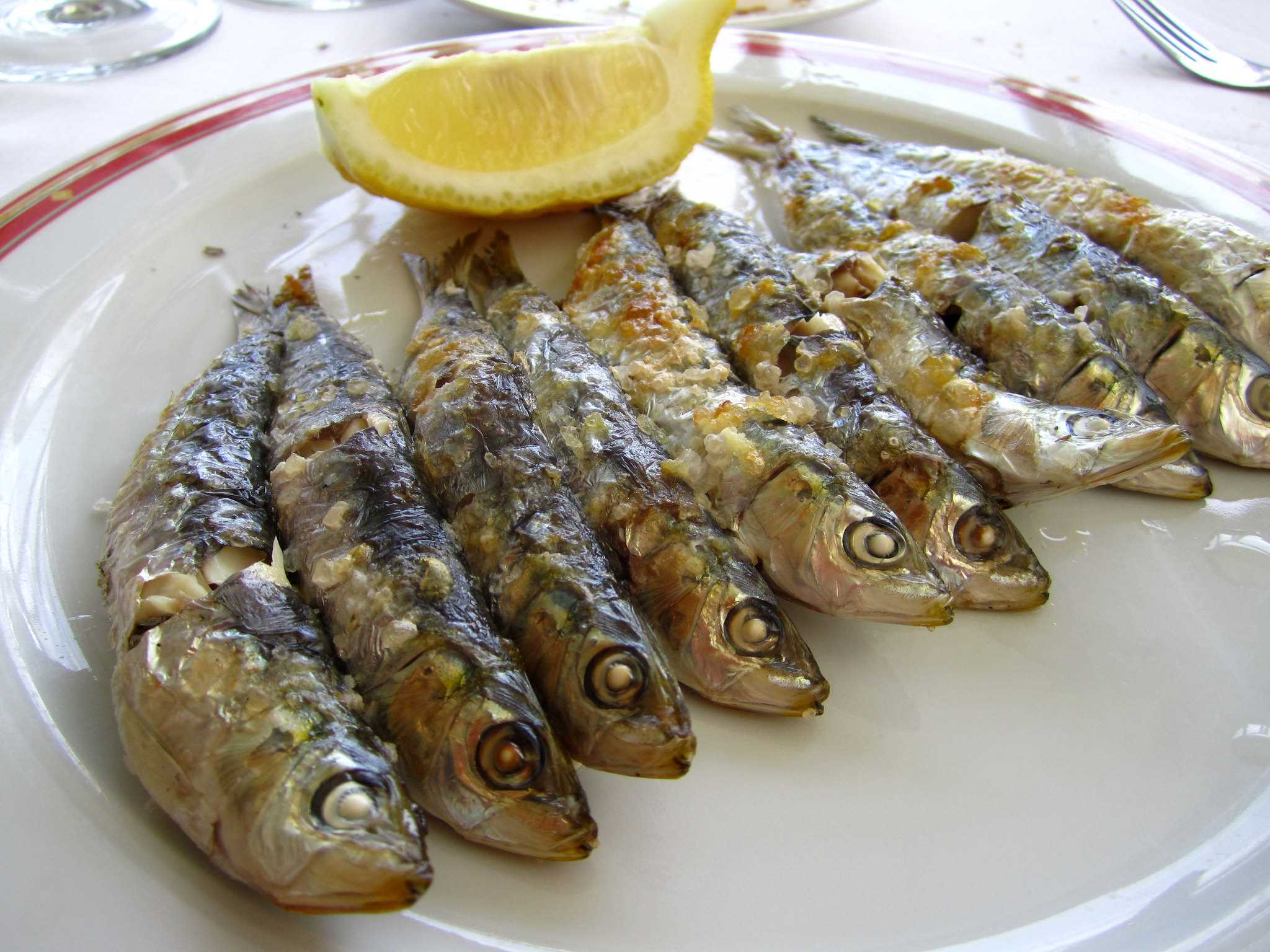
Andalucian Food
Andalucía’s food reflects its varied geography and history – particularly on the coast, there is a bewildering of array of seafood, and almost everywhere you’ll find lamb, beef, cured meats and cheeses, as well as plenty of fruit and vegetables. And pork – lots of pork.
Typical Andalucian dishes
Perhaps the most famous Andalucian food is jamón (cured ham), and there is also a range of other cured and cooked pork cuts, including lomo de orza, solomillo, secreto and presa.
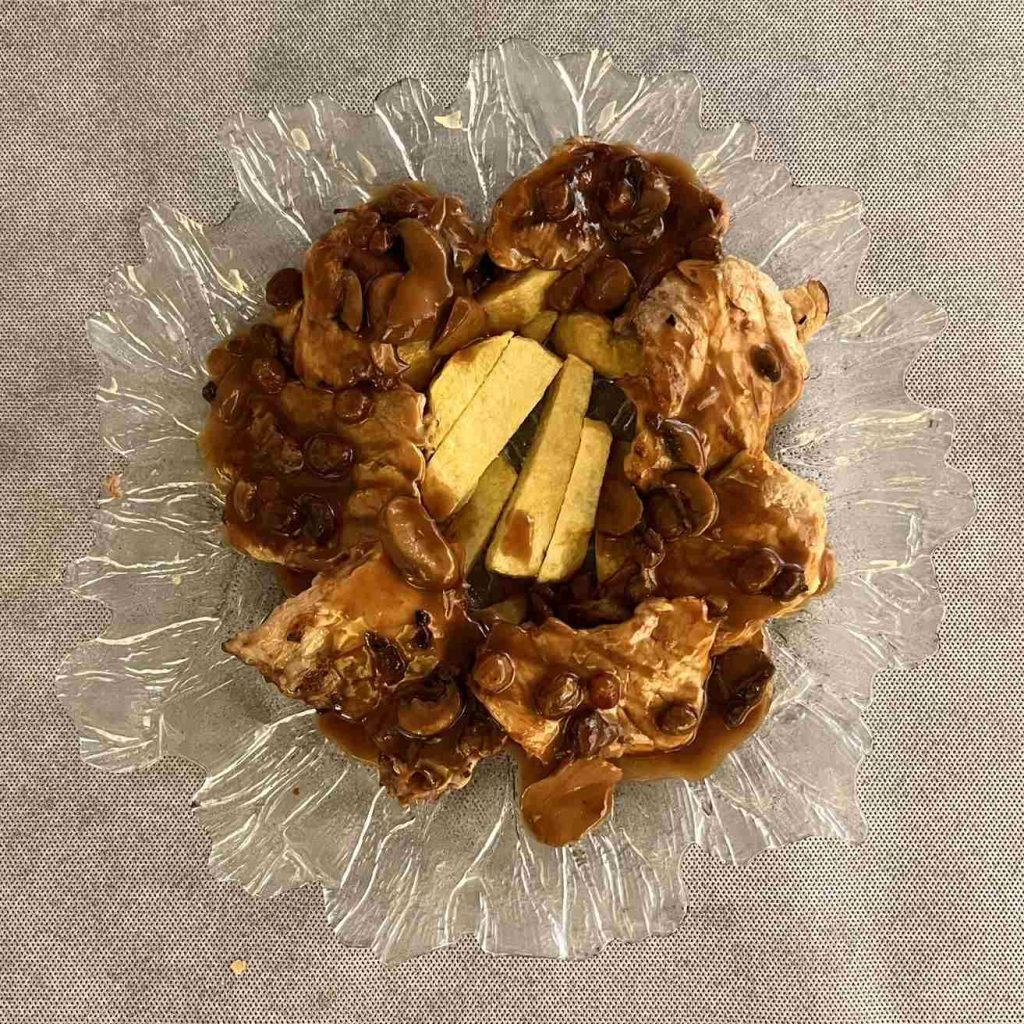
Apart from pork, other typical Andalucian dishes include cold soups such as gazpacho, salmorejo, ajoblanco and mazamorra, salads like pipirrana and remojón, deep-fried fish and shellfish, rabo de toro (oxtail stew), albóndigas (meatballs – although you get fish and seafood versions too), choto (kid goat), croquetas, patatas a lo pobre (potatoes cooked in olive oil), grilled Mediterranean vegetables, and deep-fried aubergines served with molasses. There are also dishes which reflect Andalucía’s historical links to North Africa and the Middle East, including rich meat stews with dried fruit.
For much more detail on what you can expect to find on the menu, see our menu decoder.
Rice dishes
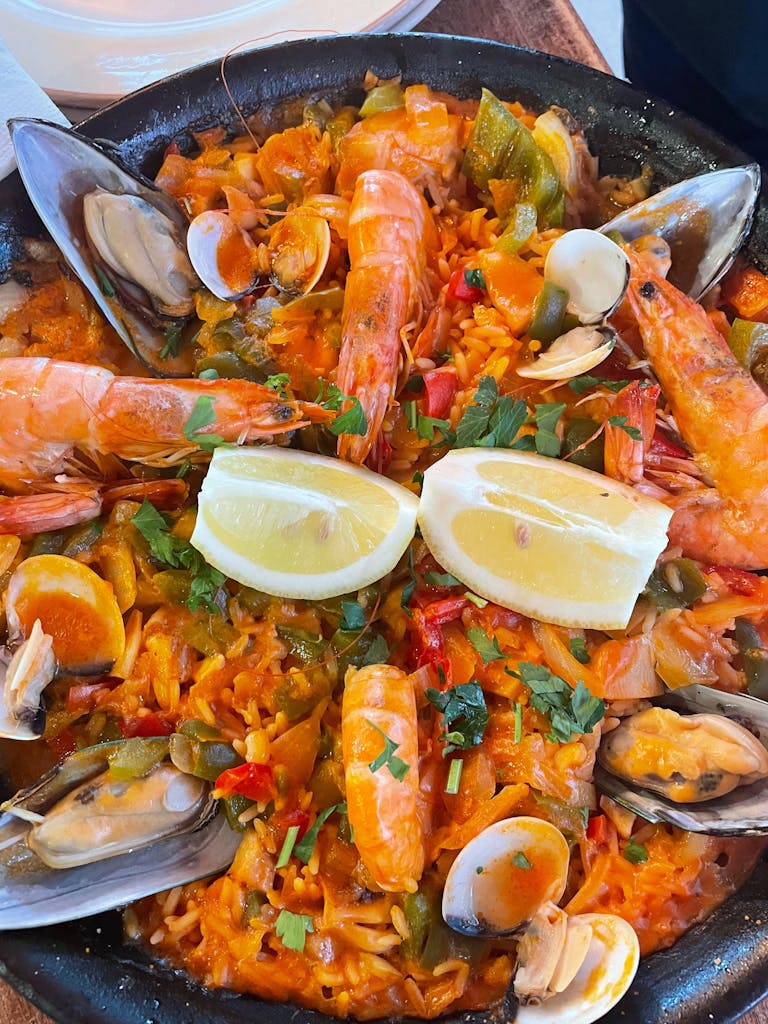
Paella is really from Valencia, but of course it’s widely available in Andalucía, even if the quality can be a bit variable. On a menu, you’ll generally see paella listed under arroces (“rices”), because not every fried rice dish is a paella – for purists, you’re only allowed to use a very limited selection of ingredients in a true paella. Arroz negro (“black rice”), which is rice cooked in squid or cuttlefish ink, is rightly popular.
Normally you have to order rice dishes for at least 2 people, although the price is quoted per person. Sometimes you even have to tell the restaurant in advance that you want rice, as it takes a long time to cook. If so, it should say something like “(sólo) por encargo” or “arroces por encargo” on the menu.
Vegetables, vegetarian food and special dietary requirements
With all that pork, Andalucía doesn’t have a great reputation for catering to vegetarians, and to some extent that’s justified. But vegetarian and vegan restaurants are becoming more common, as are vegetarian options at other restaurants.
When people see how heavily red meat features on menus – and on serving plates – it seems at odds with the notion of a healthy Mediterranean diet. Here you have to bear in mind that what people eat when they go out isn’t the same as what they eat at home. And even when they go out, big groups will often share relatively few fish and meat dishes.
By law, menus have to display which allergens their dishes contain, and many restaurants are willing to adapt dishes if you have special dietary requirements.
Olive oil
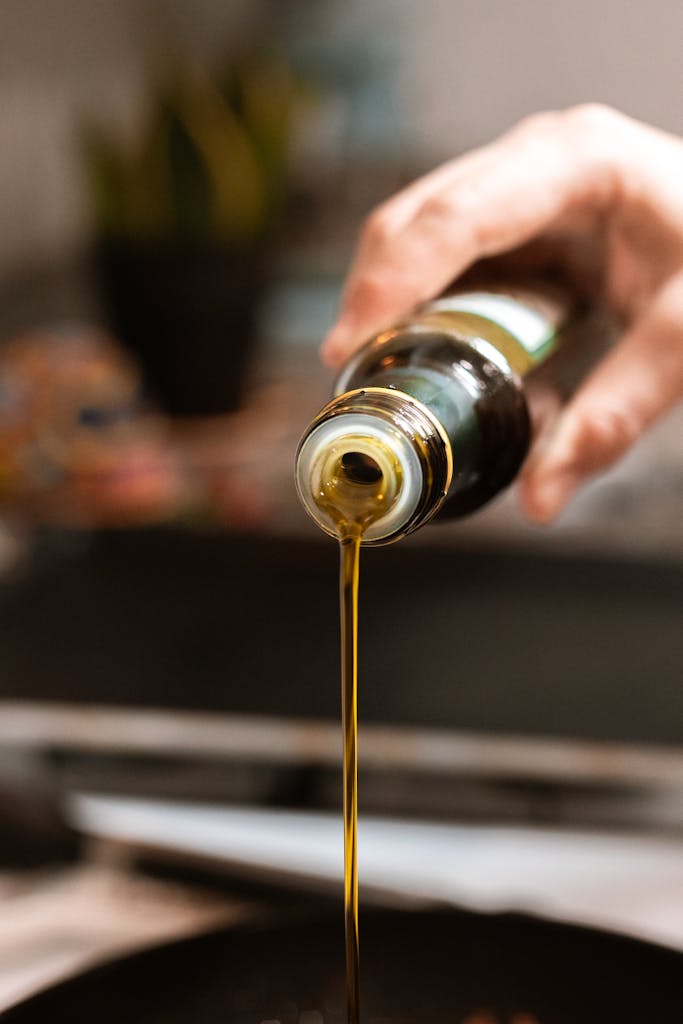
Andalucía is the home of olive oil – it’s been produced here since Phoenician times, and the region is by far the biggest producer in the world. Particularly in the province of Jaén, olive trees completely dominate the landscape. Unsurprisingly then, olive oil is used liberally in Andalucian cuisine. It’s also normal to have olive oil, rather than butter or margarine, on your bread – for example, toast with olive oil and tomato is the most traditional breakfast.
There are many different varieties of olive, each with their own distinctive flavour. Oleoturismo (olive oil tourism) is becoming increasingly popular, so look out for an opportunity for an oil tasting or visit to an olive mill.
Cover photo: Leon Brocard (CC BY 2.0)
Related articles
Related itineraries

Antequera
Day Trip

City and Mountains: Granada and Alpujarra
4-5 Nights

Córdoba
2-3 Nights

Guadalquivir River Valley
8 nights +

Jerez de la Frontera
Day Trip
Questions and answers
The most typical dishes from Andalucía include Jamón (cured ham), gazpacho, salmorejo, ajoblanco, pipirrana, deep-fried fish and shellfish, rabo de toro (oxtail stew), albóndigas (meatballs), pork dishes like solomillo and secreto ibérico, croquetas and patatas a lo pobre (potatoes cooked in olive oil).
No, paella comes from Valencia, but it is widely available in Andalucía.
Arroz negro means “black rice”, which is rice cooked in squid or cuttlefish ink.
In Andalucian bars and restaurants, olive oil is served with bread, and they often don’t have butter or margarine available. In some tourist areas, restaurants will provide butter if you ask.