
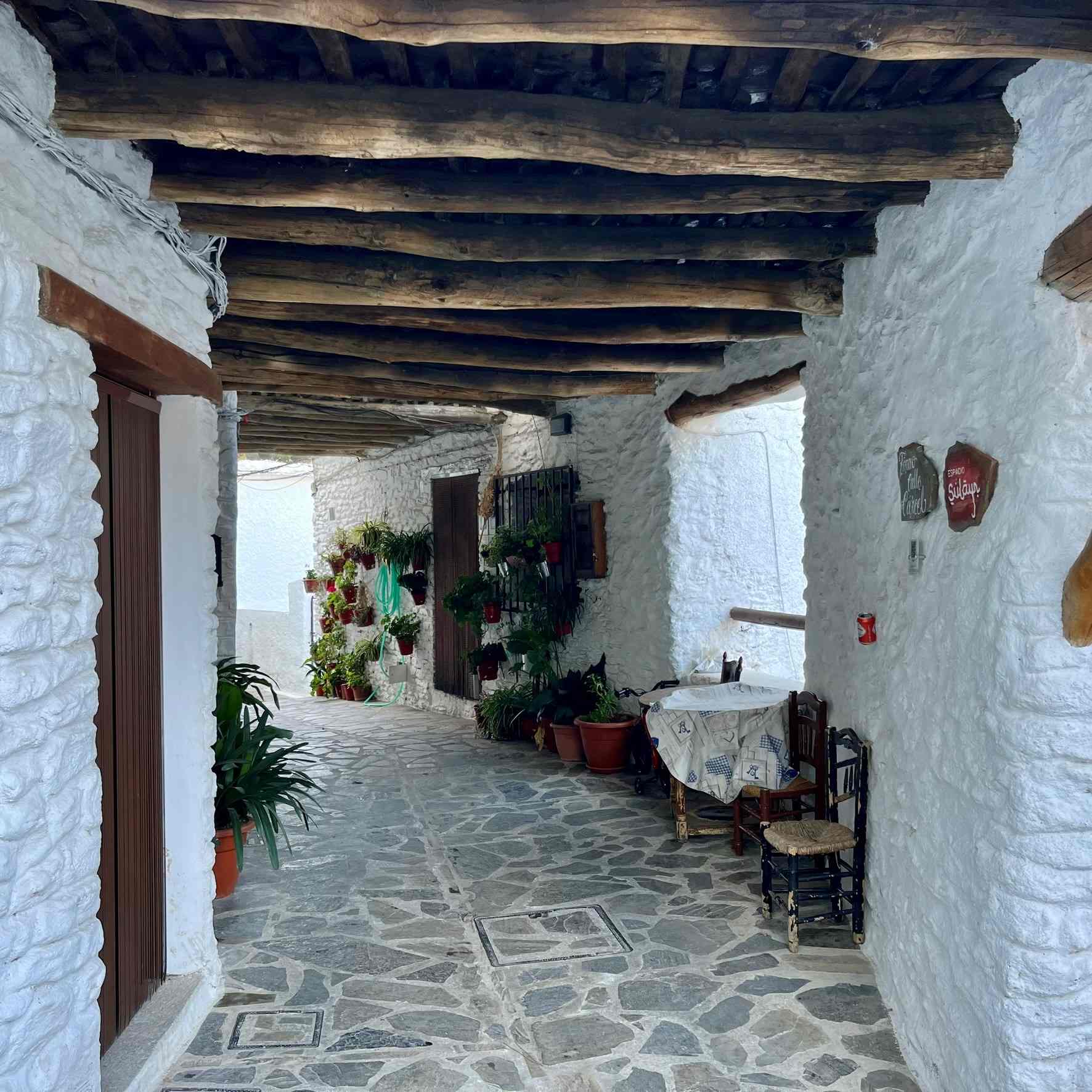
City and Mountains: Granada and Alpujarra
5 Nights / 6 Days
For almost 800 years, from 711 to 1492, Granada had Muslim rulers. Even after the Christian conquest, the Muslim heritage endured in the Albaicín and the remote mountain villages of the Alpujarra, which were strongholds of the Moriscos – Muslims who converted to Christianity.
Long before we started creating VoiceMap tours, we set up the TrekSierraNevada website, which provides information about guided and self-guided hikes in the Sierra Nevada mountains. The white village of Capileira in the Alpujarra is one of the best bases for hiking, so it’s a place we know and love. This itinerary is designed to give you a flavour of the city and Alpujarra, both redolent of their Muslim past. It also includes a day of hiking through the rugged mountain scenery in the Sierra Nevada national park.
If you want more time for hiking, add a day or two to the end of the itinerary.
Days 1-3 Granada
The itinerary starts in Granada, where we focus on the city’s Muslim heritage. The Alhambra and Generalife was the centre of royal power, while the Albaicín was a residential district. Together they have been recognised as a UNESCO World Heritage Site.
Our Enchanting Granada audio tour helps you to get your bearings by guiding you through the historic centre and Lower Albaicín while giving you an introduction to the city. This will set you up for the Alhambra and Generalife on Day 2.
On Day 3, explore the oldest part of the Muslim city, the Upper Albaicín. Our Albaicín and Sacromonte audio tour tells the story of Granada’s Muslims under the Ziri and Nasrid dynasties, and what happened to them after the Christian conquest. The second half of the tour explores the Sacromonte district and describes the evolution of flamenco in the cave houses of Sacromonte.
Day 1
Granada’s Historical Centre
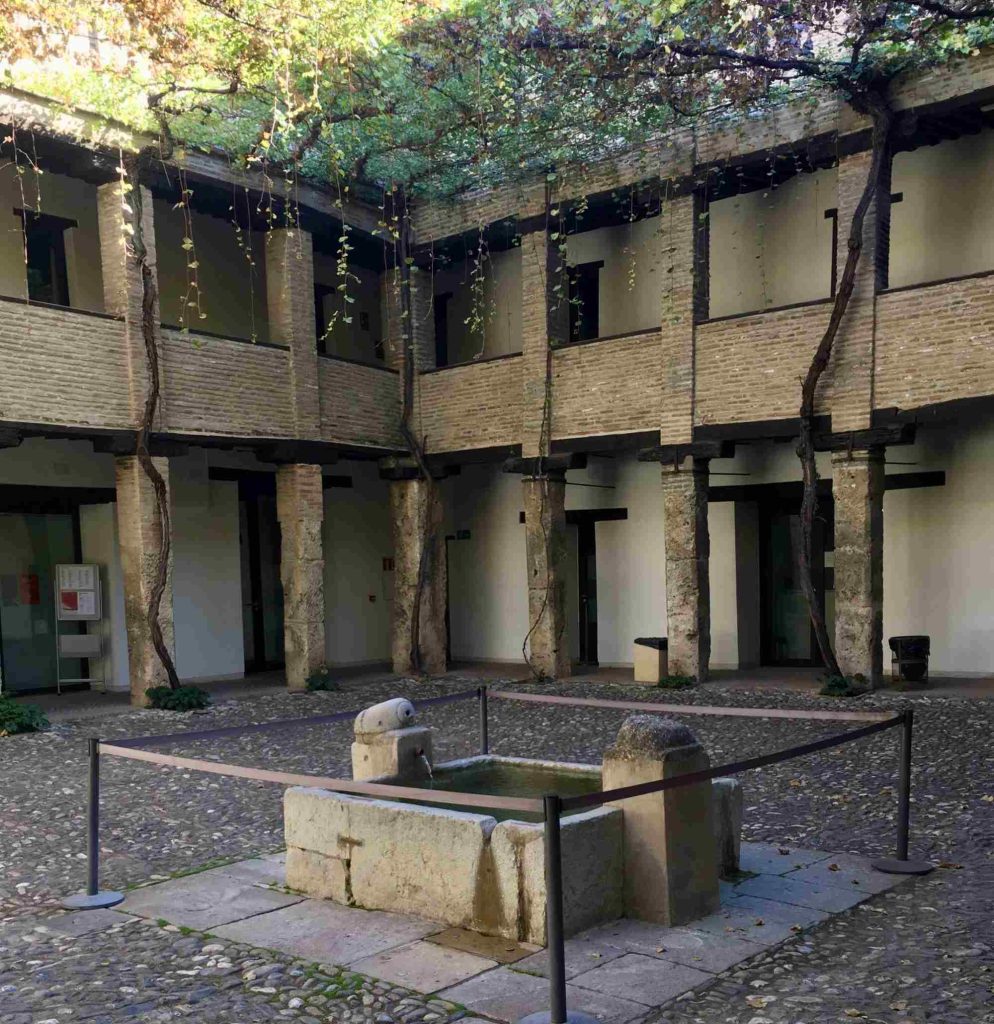
Explore Granada’s historical centre, which is home to the city’s Renaissance and Baroque masterpieces. Sights include Plaza Bib-Rambla, the Corral del Carbón, the Cathedral ($) and Royal Chapel ($), the Basilica of San Juan de Dios ($) and St. Jerome Monastery ($). Much of the centre is pedestrianised, and there are plenty of pleasant squares where you can stop for refreshment at a café or bar with a terrace.
Lower Albaicín
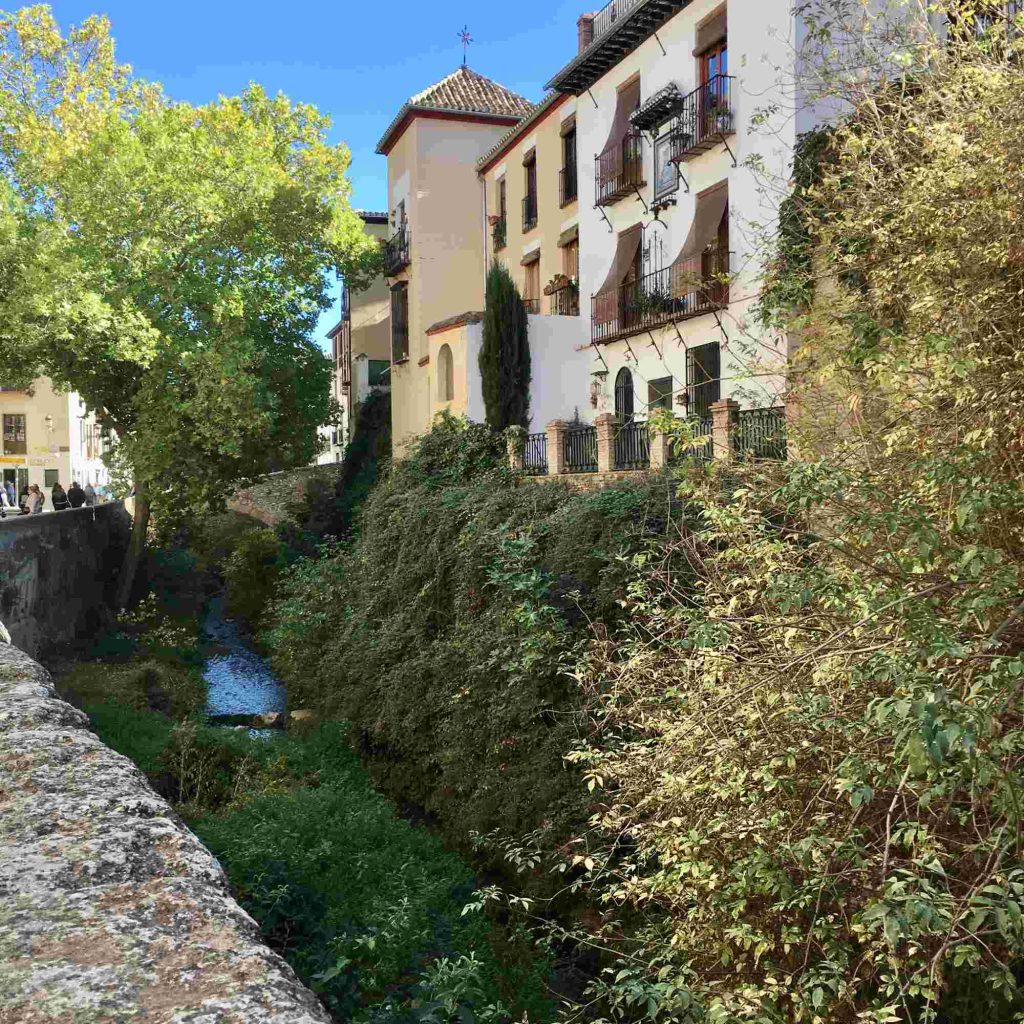
Soak up the atmosphere of the World Heritage-listed Albaicín district while you weave through the medieval alleyways created under the city’s Moorish rulers. Head up the picturesque Carrera del Darro to El Bañuelo ($) (the Arab baths), Casa de Zafra ($), Paseo de los Tristes and return via the Mirador de los Carvajales for a great view of the Alhambra.

Evening
Although Granada is around 75 km from the Mediterranean, fish and seafood are very popular. One of the classic seafood restaurants in Granada is Restaurante Bar Oliver in Plaza de la Pescadería, and just around the corner in Calle Marqués de Gerona is El Pescaíto de Cármela.
Day 2
Morning
Alhambra and Generalife
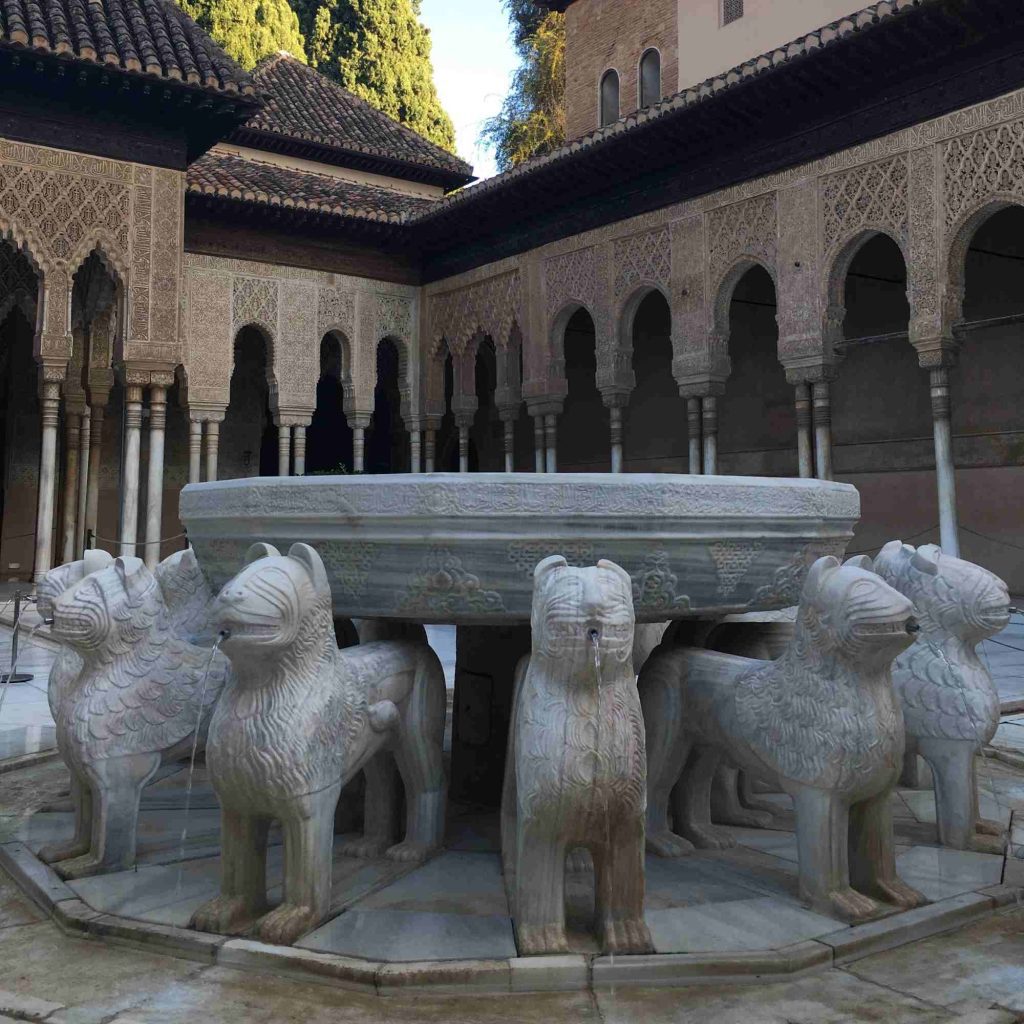
The spectacular Alhambra, or “red palace”, is one of the finest and best-preserved examples of historic Islamic architecture in the world. Set on a hill that dominates the modern city, its intricately ornate decoration, peaceful patios and delightful gardens are a must-see for any visitor to Granada.
Lunch
Near the Alhambra and set in a shady garden, Restaurante Jardines Alberto is reasonably priced with a decent range of dishes. The restaurant at the Parador has a lovely terrace overlooking the Generalife, but it’s a bit more pricey and service can be variable.
Afternoon
Carmen de los Mártires
FREE
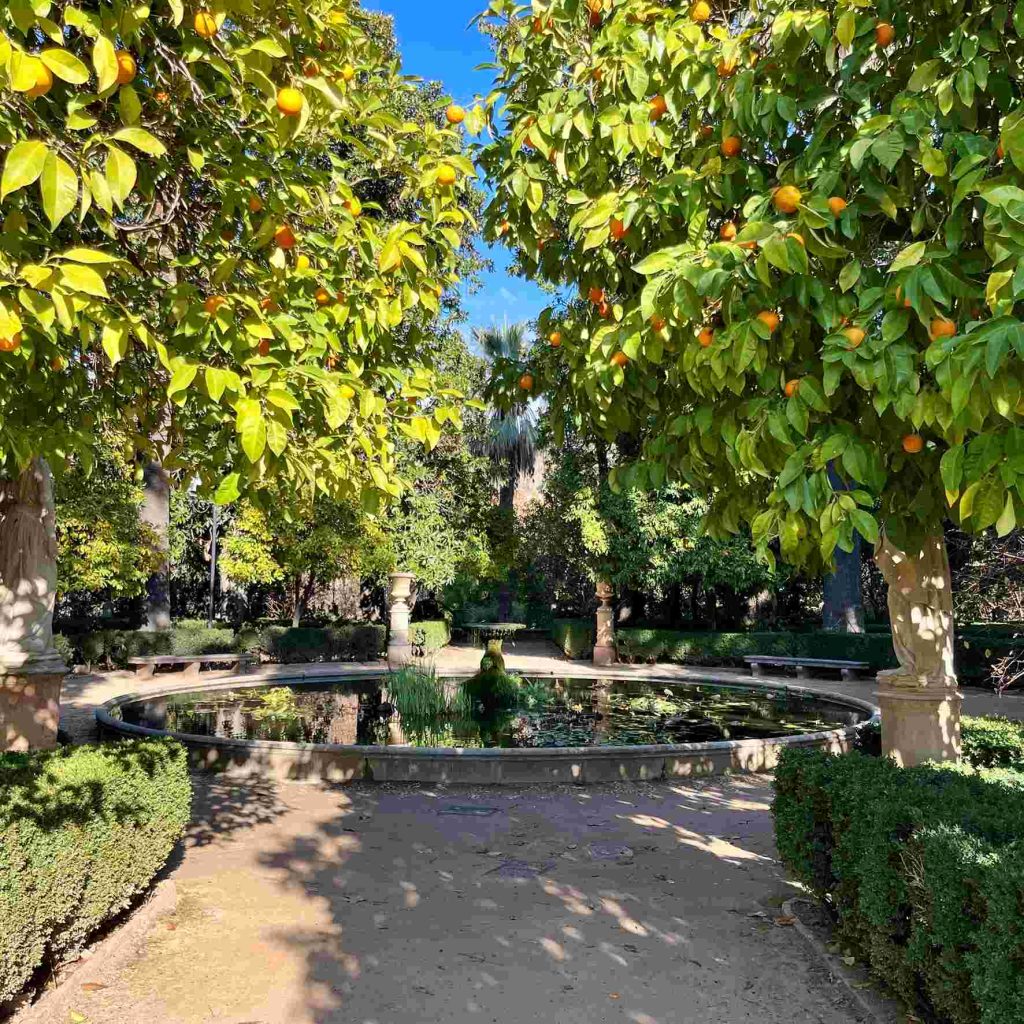
Few tourists make it to the Carmen de los Mártires gardens, although they’re only a stone’s throw away from the Alhambra. The attractive main building is surrounded by palm trees, an artificial cave and pergolas adorned with purple wisteria. Beyond that are a series of gardens, each in a different style: French, English, Spanish and so on. There’s a picturesque little pond with ducks and a folly, and you often see peacocks strolling around. The gardens offer splendid views of the city, Alhambra and Sierra Nevada mountains.
Evening
Tapas in Realejo
Go tapas bar-hopping in Realejo. Granada is famous across Spain for its “free” tapas culture, where a different tapa is served included with the price of each drink. The lively Realejo district is packed with tapas bars – check out El Conde, La Taberna del Kosmonauta, Casa de Vinos La Brujidera or Taberna Granados for tasty tapas and a good range of wines.
Day 3
Morning
Granada Cathedral
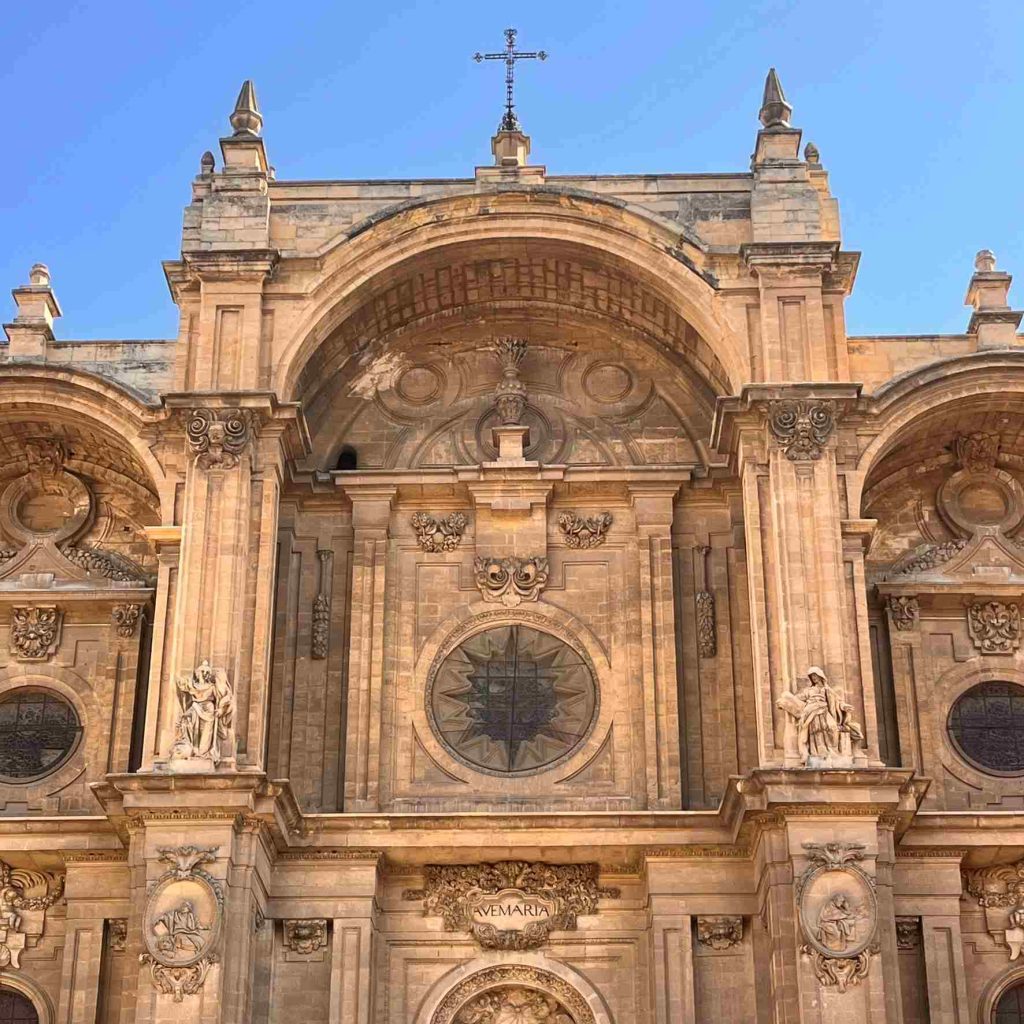
Work on Granada’s massive cathedral started in 1523, but it was only completed 181 years later in 1704. It was originally intended as a Gothic cathedral, but in 1528 the architect Diego de Siloe was brought in to redesign it in the more modern Renaissance style, which was just beginning to become popular in Spain. Tastes continued to evolve while the cathedral was being built, so the main façade and many decorative elements inside the cathedral are in the Baroque style.
Royal Chapel
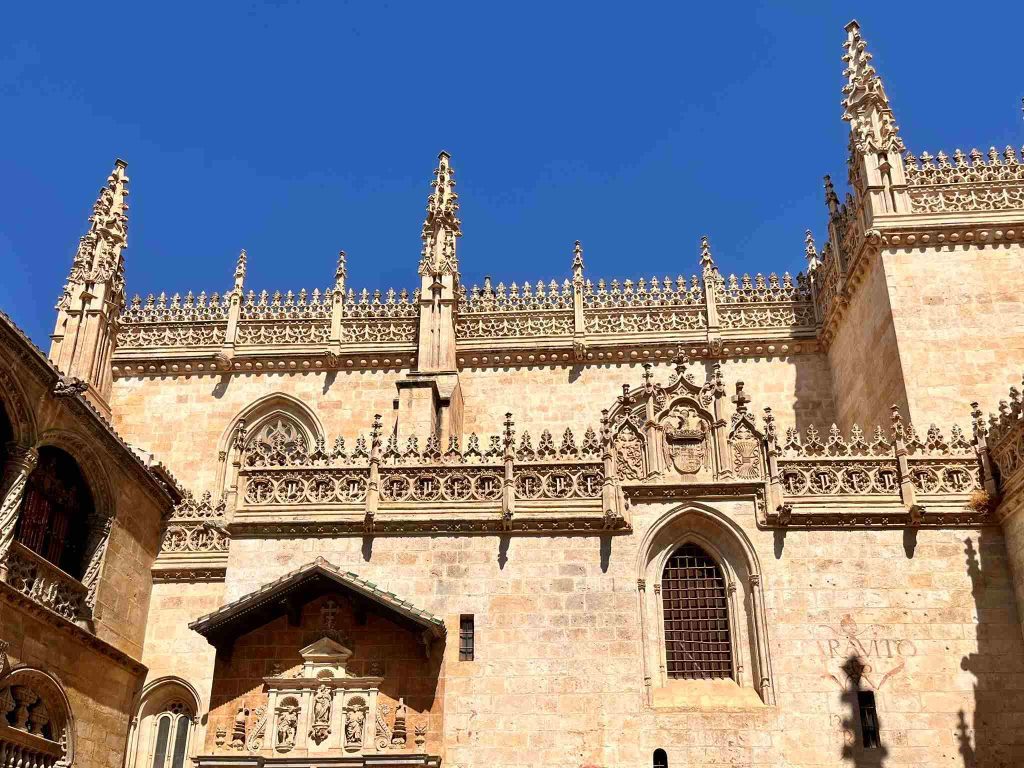
Having conquered Granada in 1492, Isabella I of Castile and Ferdinand II of Aragón decided this is where they should be buried. The Royal Chapel (1505-17) was built right next to the former main mosque, which had been temporarily consecrated as the city’s cathedral. The chapel is generally considered the pinnacle of Gothic and Mudéjar architecture in Granada, and it is worth going inside to admire the beautiful craftsmanship and to see the tombs of Isabella and Ferdinand.
Madraza
FREE
Opposite the Royal Chapel lies the Madraza, which was built by the Nasrid Dynasty in the 14th century as a madrasa or university. After the Christian conquest it became the city’s town hall. Very little of the original structure remains, but you can visit the mihrab, or prayer niche, which is decorated in a similar style to the Nasrid Palaces in the Alhambra. As the colours are much better preserved, it gives you an idea of what the Alhambra once looked like.
Lunch
Sample tapas based on local produce at Granada’s central market, the Mercado San Agustín, or Taberna Palo Cortao opposite.
Alternatively, head to the Albaicín, where you’ll be spending the afternoon. Splash out on one of the carmens in the Albaicín overlooking the Alhambra, or find a more modestly priced al-fresco restaurant in a pretty square like Placeta de San Miguel Bajo.
Afternoon
Upper Albaicín
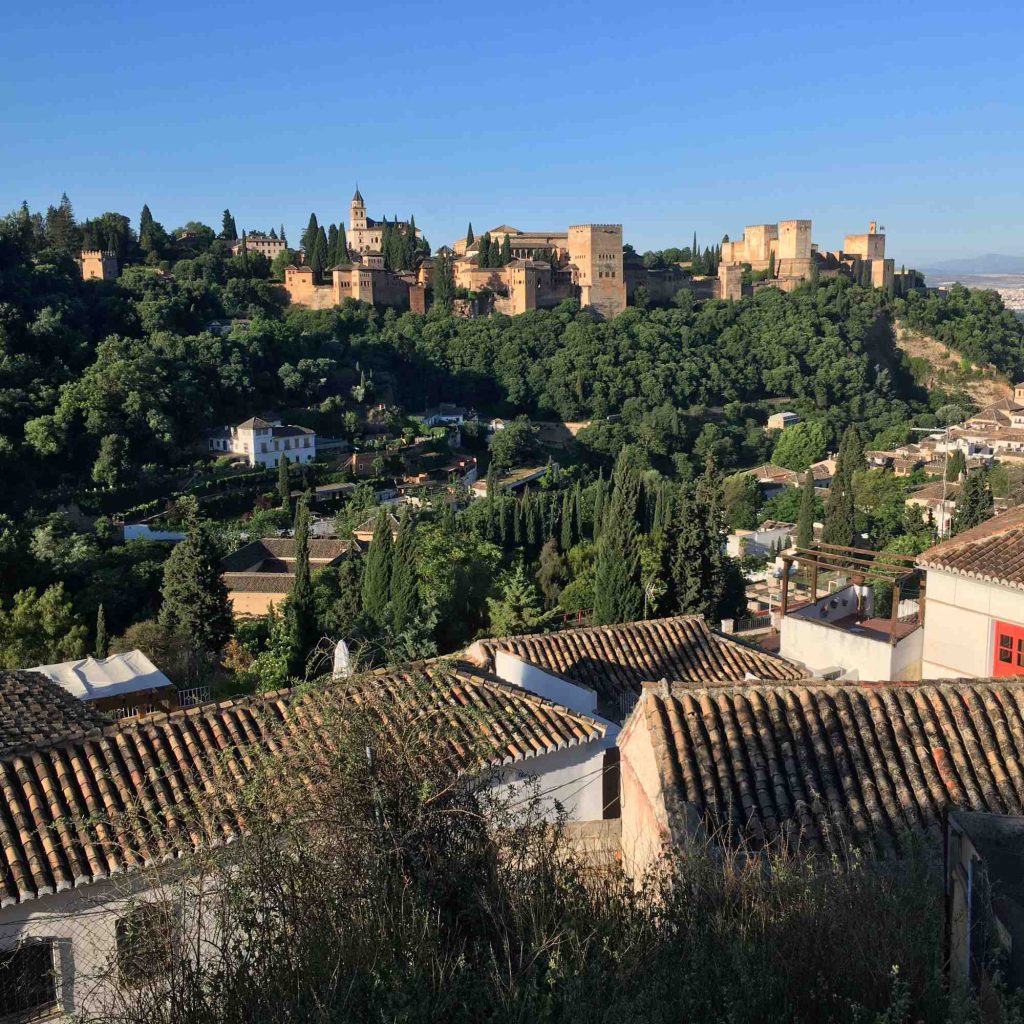
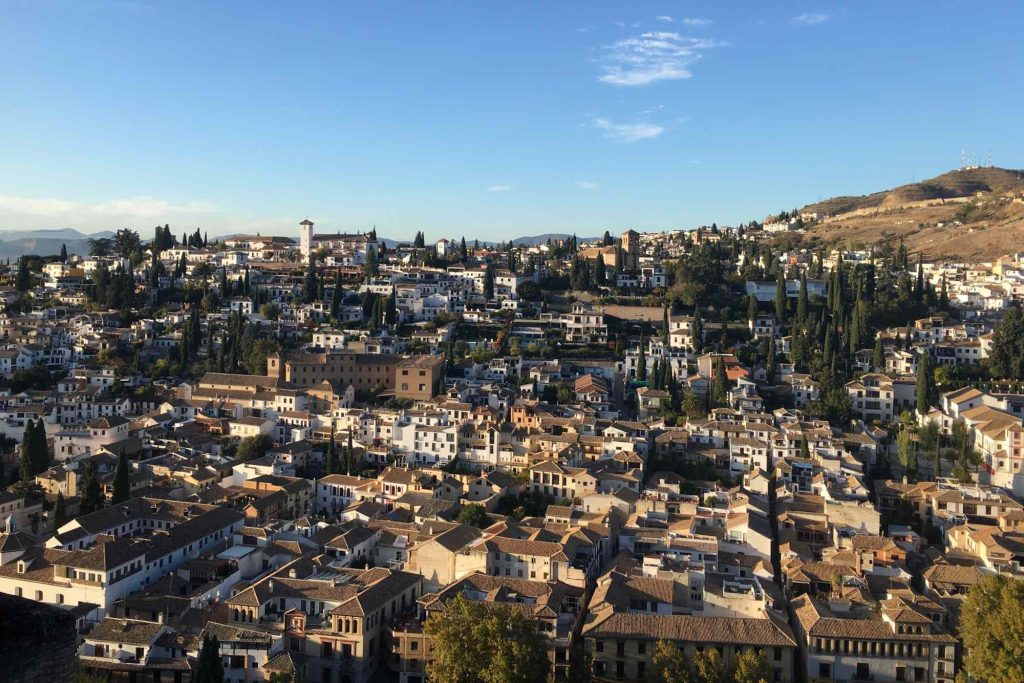
On the hill opposite the Alhambra lies the Albaicín, site of the original Moorish settlement. Enjoy losing your way amongst the charming, narrow alleyways and cobbled streets of this UNESCO World Heritage Site, whose street layout has barely changed since medieval times. The popular Mirador de San Nicolás offers fantastic views of the Alhambra, Generalife and the Sierra Nevada. Make sure you also visit Plaza Larga, the Carmen de los Geranios and the beautiful Palacio de Dar al-Horra ($).
If you don’t want to walk up the hill to the top of the Albaicín, take the C31 bus from Gran Vía de Colón near the Cathedral or from Plaza Nueva.
Sacromonte
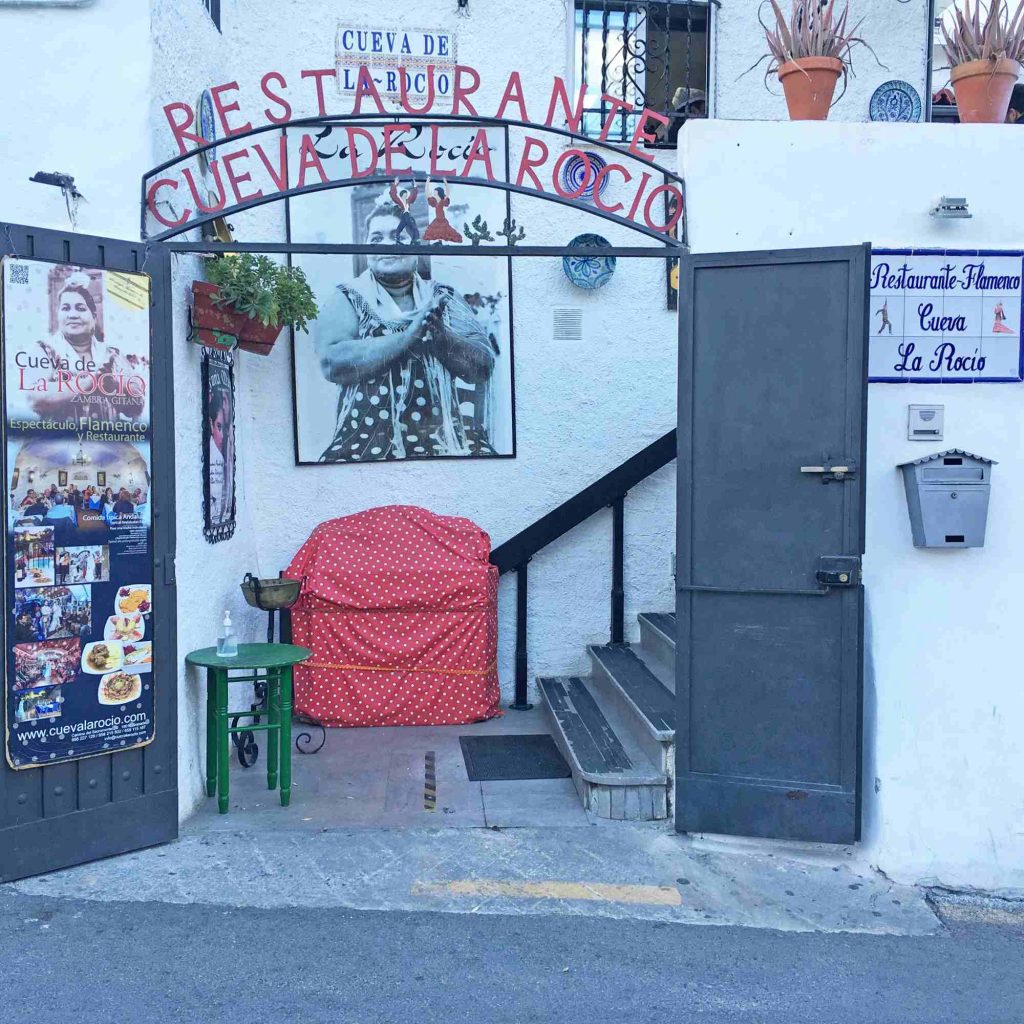
In Sacromonte, for centuries people have lived in cave houses dug out of the soft rock. The district lay just outside the historic city walls, which made it a haven for marginalised groups, including the Roma people. This is where flamenco developed in Granada, and it is still a great place to catch a flamenco show. It also offers spectacular views across the valley to the Alhambra.
If you would like to learn more about living in a cave house, you should visit the Sacromonte Caves Museum ($), and the Sacromonte Abbey ($) is also worth a visit.
Evening
Finish your day by watching a passionate flamenco show in a Sacromonte cave or at Jardines de Zoraya in the Albaicín. Many of the venues offer a package with dinner or drink + tapas.
Days 4-6 Alpujarra
The villages of the Alpujarra were established by Berbers from North Africa in the Middle Ages. Soon after the Christian conquest of Granada, the remaining Muslims were forced to convert to Christianity. Many of these converts – called Moriscos – took refuge in the rugged territory of the Alpujarra, in mountain villages like Pampaneira and Capileira, as far as possible from the authorities. The villages have retained their distinctive character, with many aspects of everyday life still rooted in their Berber heritage.
Take a day to explore the villages and their dramatic surroundings in the Poqueira gorge. Our VoiceMap audio tours of Pampaneira and Capileira give you the lowdown on the local history, architecture, agriculture, cuisine, customs and handicrafts. Then get out on the trail for a day’s hiking in the Sierra Nevada National Park.
We recommend staying overnight in Capileira, which has the best range of hotels, tourist apartments and restaurants.
Add extra days if you want to do more hiking.
Day 4
Morning
Travel to Pampaneira
There are 3 buses a day from Granada bus station to Pampaneira (2 hours).
If driving, allow 1 ½ hours. The quickest route is to take the A44 dual carriageway and then the A348 via Lanjarón. The Lanjarón road is being upgraded, so it’s possible that at times you’ll need to take a detour via Órgiva due to roadworks.
Pampaneira
The first village in the dramatic Poqueira Gorge is Pampaneira, a popular stop for its picturesque streets and alleyways, local crafts and mountain food. Enjoy the atmosphere and views, see a lavadero where villagers would do their laundry, and visit a weaving workshop with a traditional loom that uses flying shuttles.

Lunch
The Alpujarra is known for its hearty mountain cuisine, including pork, sausages, cured meats and cheeses. In Pampaneira there are several restaurants, but our favourite is probably Ruta de Mulhacén, with its terrace overlooking the village and the gorge.
Afternoon
Capileira
Capileira, which clings to the hillside at the top of the Poqueira gorge, is a base for hikers and nature-lovers. Spend the rest of the afternoon exploring its narrow alleys and viewpoints.

Evening
Capileira has several excellent, good value restaurants. Try El Corral del Castaño, which has a superb menu, tables out on the village square and cosy traditional dining rooms. For something different, El Jardín de los Sabores offers both traditional Alpujarran staples and Indian food.
Day 5
Morning and afternoon
Hiking
It would be a shame to visit the Alpujarra without going hiking! On our sister website TrekSierraNevada, we have a wealth of information about hiking in the Sierra Nevada, including self-guided routes with downloadable pdf instruction sheets and GPS tracks. Here are some of our top recommendations for a day’s hiking:
Lunch
Take a packed lunch on your hike or stop in one of the villages for refreshements.
Evening
Enjoy another tasty supper at one of Capileira’s bars and restaurants, or for something more formal try Gloria Restaurante at the Hotel Finca los Llanos.
Day 6
Enjoy your last morning in the tranquility of Capileira, before heading off. Or stay for some more days of hiking and mountain air.
Related audio tours
Save money with a tour bundle
Included audio tours:
- The Albaicín and Sacromonte’s Iconic Sights: A Granada Walking Tour
- Textiles and Tinaos: A Tour of Pampaneira
- Captivating Capileira: From Rebel Stronghold to Hiking Haven
Questions and answers
The Alpujarra is a mountainous area between Granada and the Mediterranean coast, on the southern side of the Sierra Nevada mountains. It’s dotted with picturesque white villages.
The villages of the Alpujarra were established by Berbers from North Africa in the Middle Ages. Due to their relative isolation, they have retained their distinctive character, with many aspects of everyday life still rooted in their Berber heritage.
Yes, there are 3 buses a day from Granada bus station to villages in the Alpujarra, including Capileira and Pampaneira.
Yes, there are many hiking trails in the Alpujarra, including routes from village to village, and the ascent of Mulhacén, the highest peak in peninsular Spain. One of the best bases for hiking is the village of Capileira.