
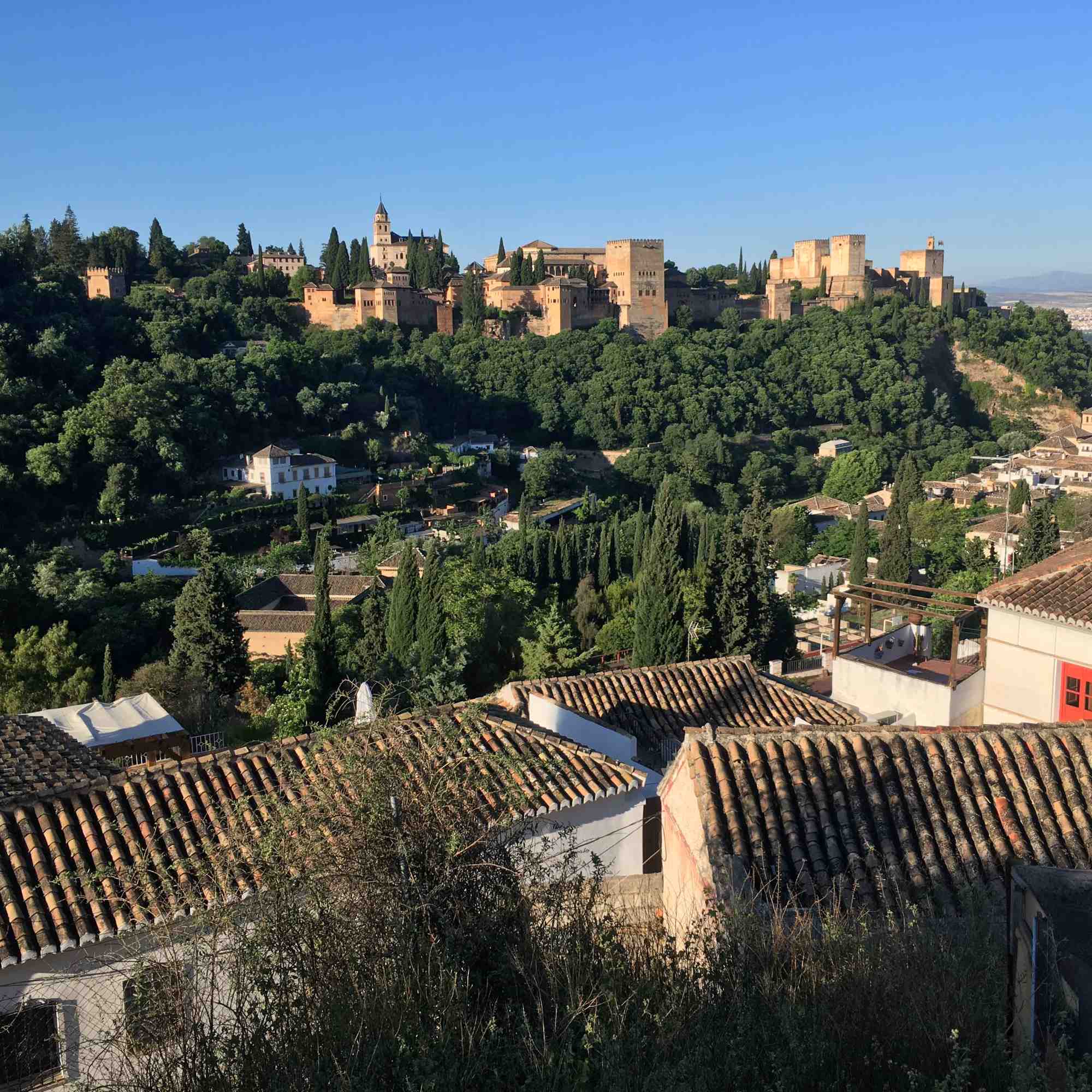
Granada
3 Nights / 4 Days
Many people only come to Granada to visit the Alhambra, but there’s so much more to see and do in the city. We think it’s certainly among the best cities in the world, which is why we’re still here after 20 years…
It’s a great city for a short break, and this itinerary is designed to give you a good flavour of Granada, including exploring the winding alleyways of the Albaicín, soaking in the views and enjoying the lively tapas scene.
Who knows – perhaps you’ll get ensnared by Granada’s charm as well!
Day 1
On the first day, explore the historic centre and Lower Albaicín districts. Our Enchanting Granada audio tour guides you through this area while giving you an introduction to the city. Don’t worry if you haven’t got time to go into all the sights – you can come back to them on Day 3.
Granada’s Historical Centre
Explore Granada’s historical centre, which is home to the city’s Renaissance and Baroque masterpieces. Sights include Plaza Bib-Rambla, the Corral del Carbón, the Cathedral ($) and Royal Chapel ($), the Basilica of San Juan de Dios ($) and St. Jerome Monastery ($). Much of the centre is pedestrianised, and there are plenty of pleasant squares where you can stop for refreshment at a café or bar with a terrace.
Lower Albaicín
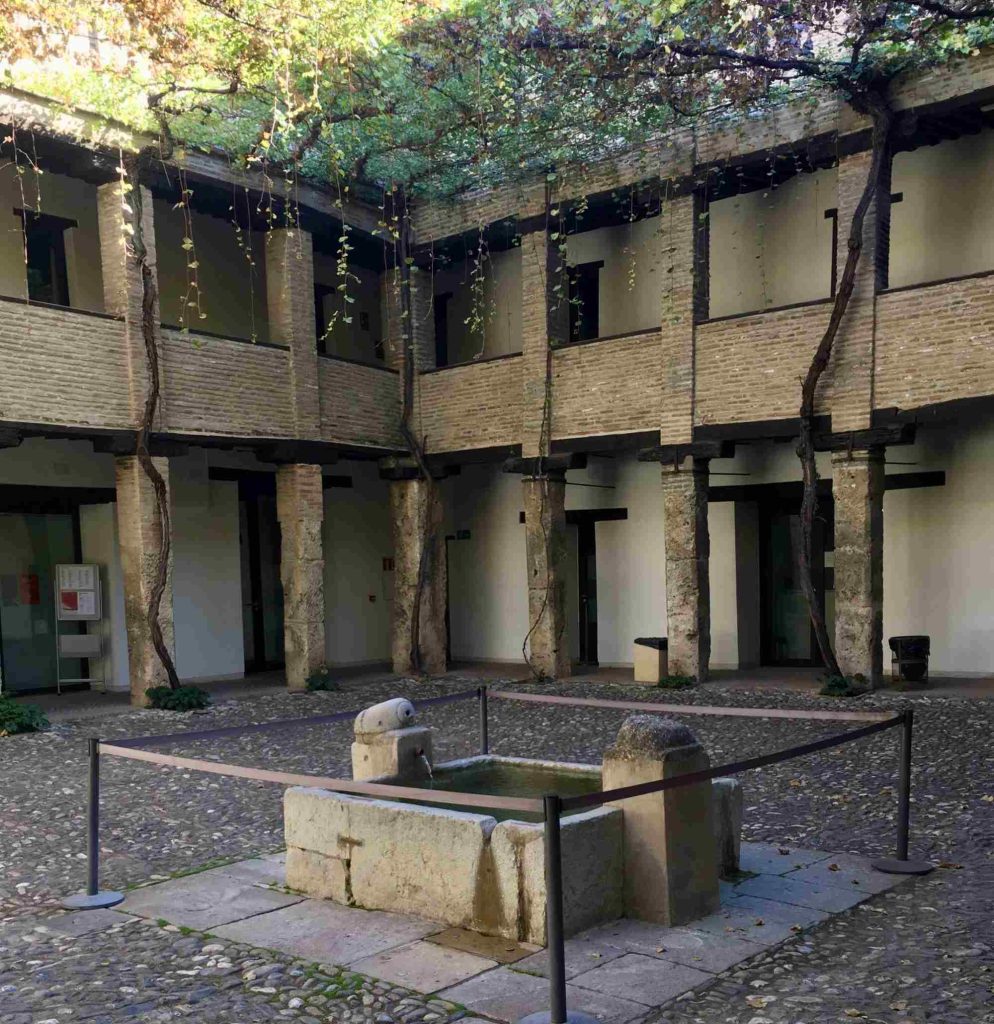
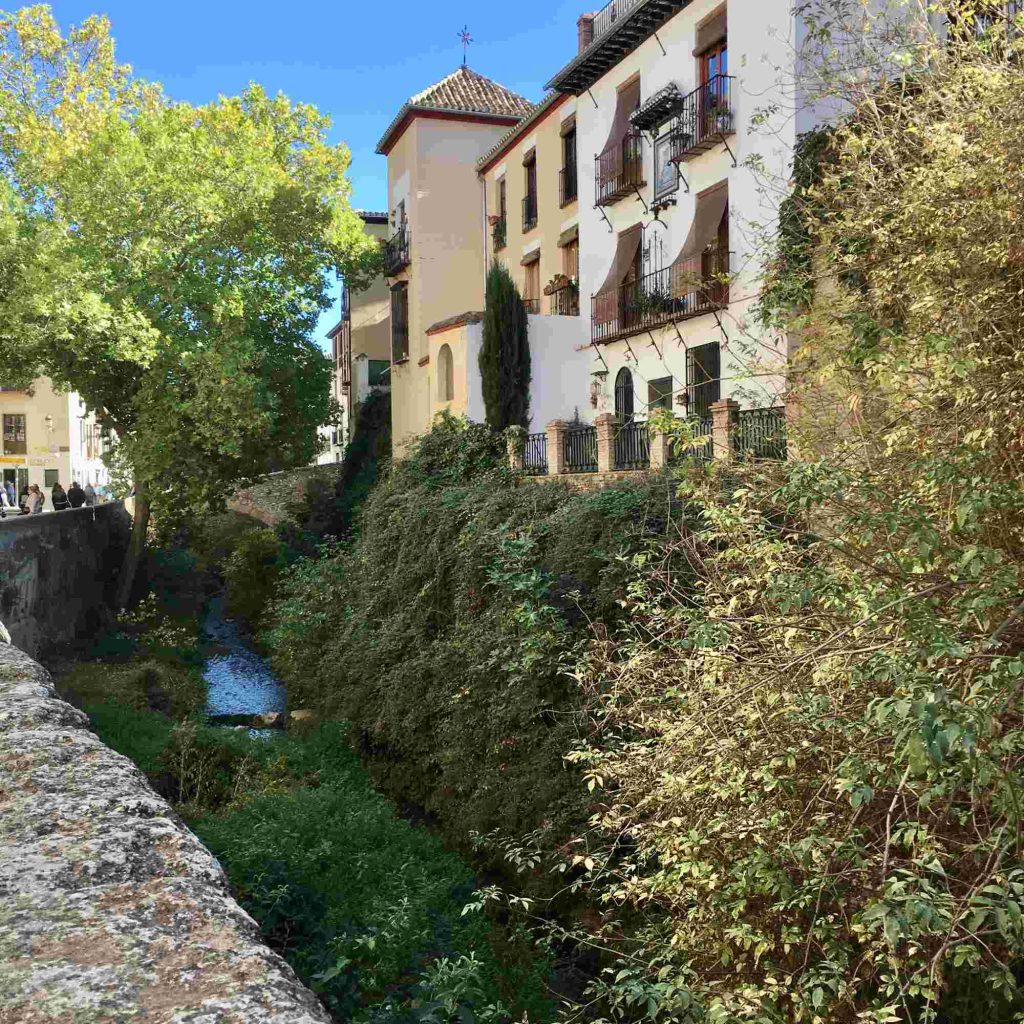
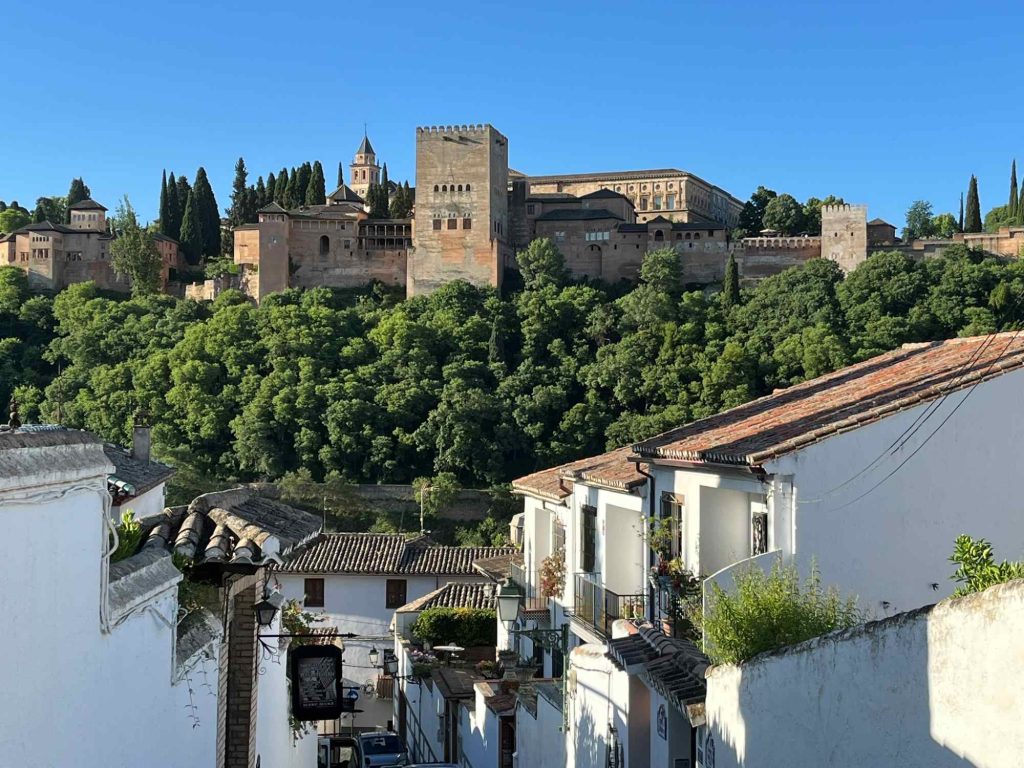
Soak up the atmosphere of the World Heritage-listed Albaicín district while you weave through the medieval alleyways created under the city’s Moorish rulers. Head up the picturesque Carrera del Darro to El Bañuelo ($) (the Arab baths), Casa de Zafra ($), Paseo de los Tristes and return via the Mirador de los Carvajales for a great view of the Alhambra.

Evening
Although Granada is around 75 km from the Mediterranean, fish and seafood are very popular. One of the classic seafood restaurants in Granada is Restaurante Bar Oliver in Plaza de la Pescadería, and just around the corner in Calle Marqués de Gerona is El Pescaíto de Cármela.
Day 2
The Alhambra and Generalife is a UNESCO World Heritage Site, and it’s deservedly one of the most visited and best-loved monuments in Spain. Take your time to savour the extraordinary architecture, then spend the rest of the afternoon relaxing in the Carmen de los Mártires gardens to recharge your batteries for tapas bar-hopping in Realejo.
Morning
Alhambra and Generalife
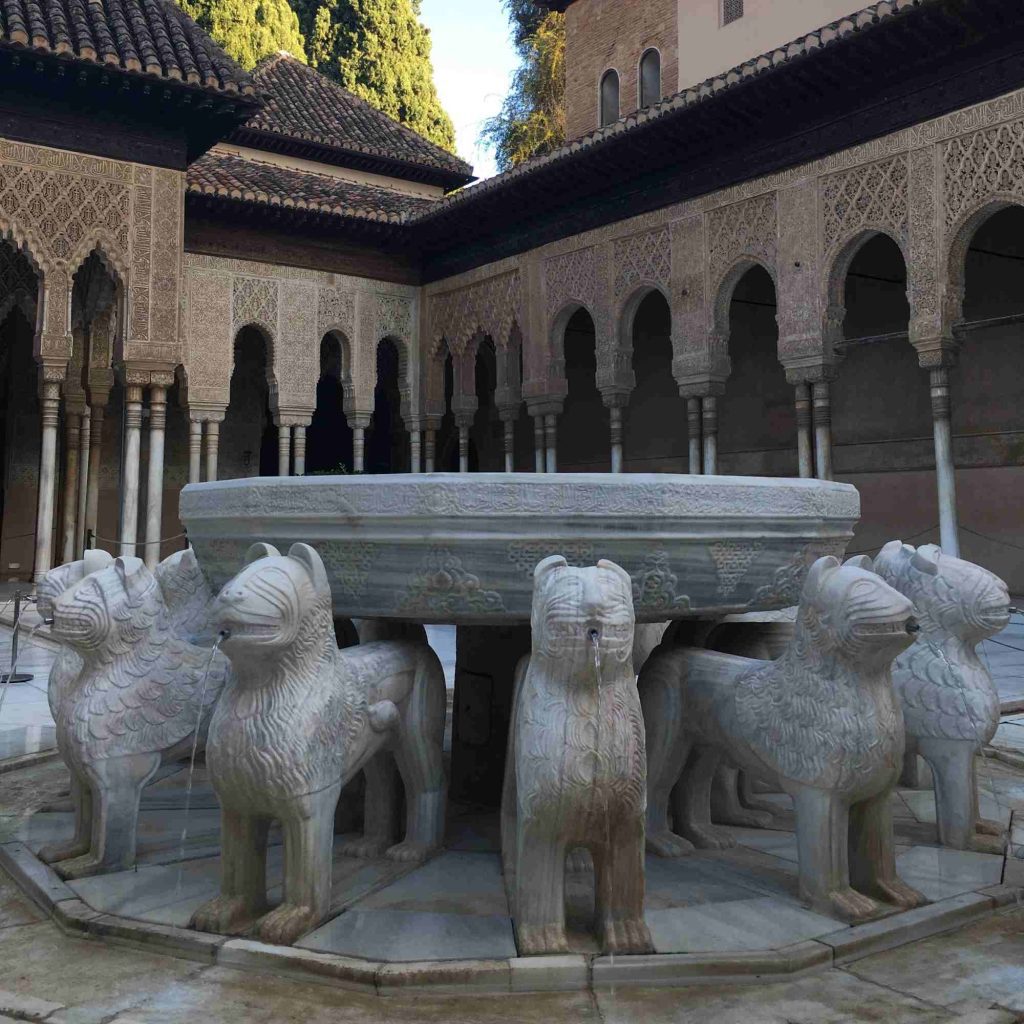
The spectacular Alhambra, or “red palace”, is one of the finest and best-preserved examples of historic Islamic architecture in the world. Set on a hill that dominates the modern city, its intricately ornate decoration, peaceful patios and delightful gardens are a must-see for any visitor to Granada.
Lunch
Near the Alhambra and set in a shady garden, Restaurante Jardines Alberto is reasonably priced with a decent range of dishes. The restaurant at the Parador has a lovely terrace overlooking the Generalife, but it’s a bit more pricey and service can be variable.
Afternoon
Carmen de los Mártires
FREE
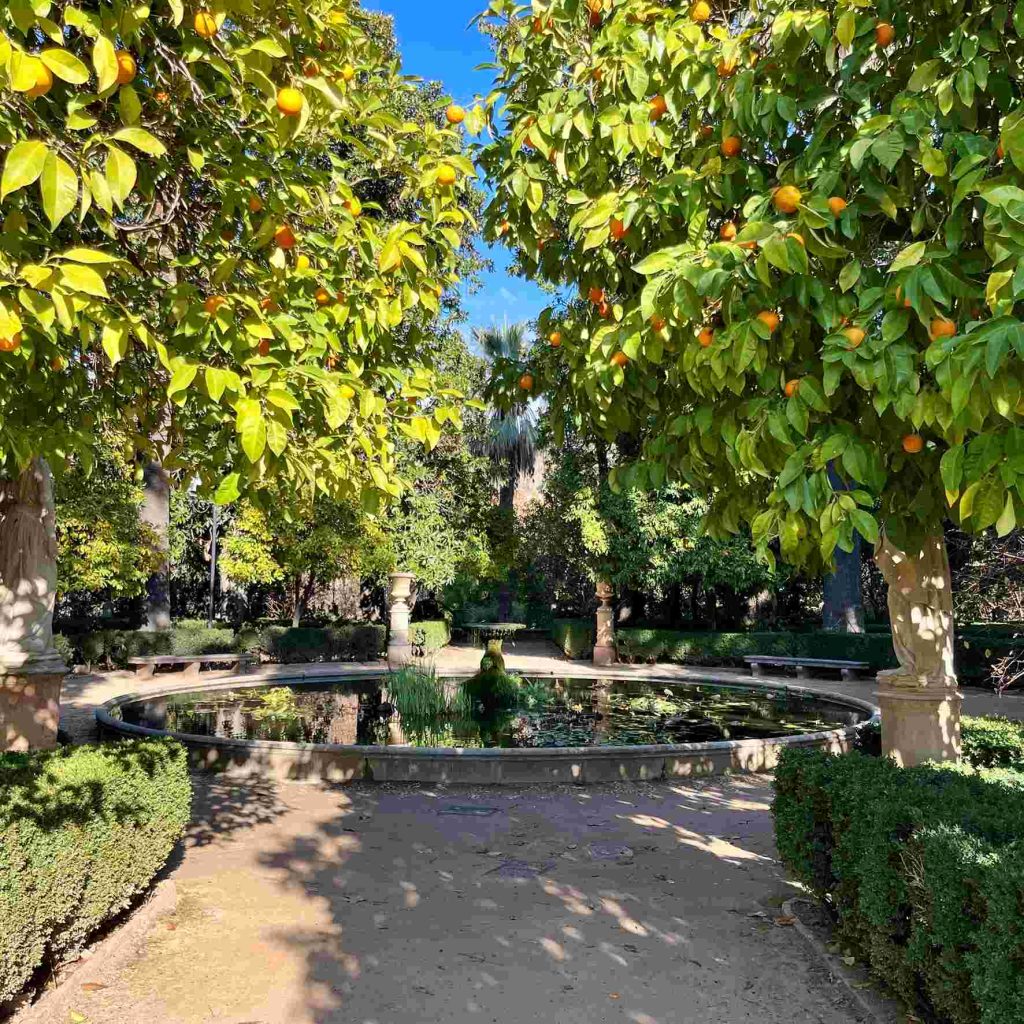
Few tourists make it to the Carmen de los Mártires gardens, although they’re only a stone’s throw away from the Alhambra. The attractive main building is surrounded by palm trees, an artificial cave and pergolas adorned with purple wisteria. Beyond that are a series of gardens, each in a different style: French, English, Spanish and so on. There’s a picturesque little pond with ducks and a folly, and you often see peacocks strolling around. The gardens offer splendid views of the city, Alhambra and Sierra Nevada mountains.
Evening
Tapas in Realejo
Go tapas bar-hopping in Realejo. Granada is famous across Spain for its “free” tapas culture, where a different tapa is served included with the price of each drink. The lively Realejo district is packed with tapas bars – check out El Conde, La Taberna del Kosmonauta, Casa de Vinos La Brujidera or Taberna Granados for tasty tapas and a good range of wines.
Day 3
Spend the morning going into sights you might not have had time for on the first day, such as the Cathedral, Royal Chapel and Madraza. In the afternoon, explore the sinuous medieval streets of Upper Albaicín and Sacromonte. If the hill up seems too daunting, take the C31 bus from Gran Vía de Colón near the Cathedral or from Plaza Nueva. Our Albaicín and Sacromonte audio tour guides you through the maze of alleys to the best viewpoints, while filling you in on Granada’s history under the Ziri and Nasrid dynasties and the evolution of flamenco in Sacromonte’s caves.
Complete your day with a flamenco show or a meal in a beautiful carmen overlooking the Alhambra.
Morning
Granada Cathedral
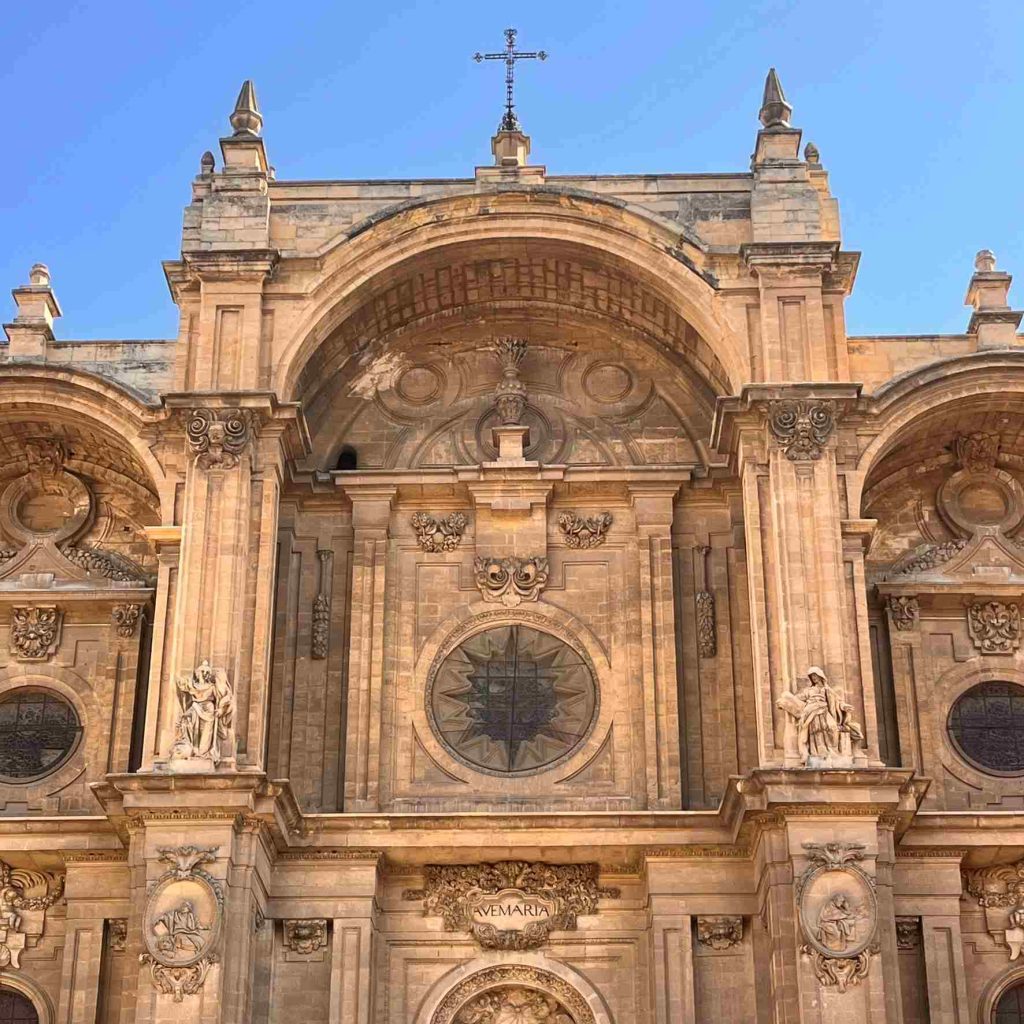
Work on Granada’s massive cathedral started in 1523, but it was only completed 181 years later in 1704. It was originally intended as a Gothic cathedral, but in 1528 the architect Diego de Siloe was brought in to redesign it in the more modern Renaissance style, which was just beginning to become popular in Spain. Tastes continued to evolve while the cathedral was being built, so the main façade and many decorative elements inside the cathedral are in the Baroque style.
Royal Chapel
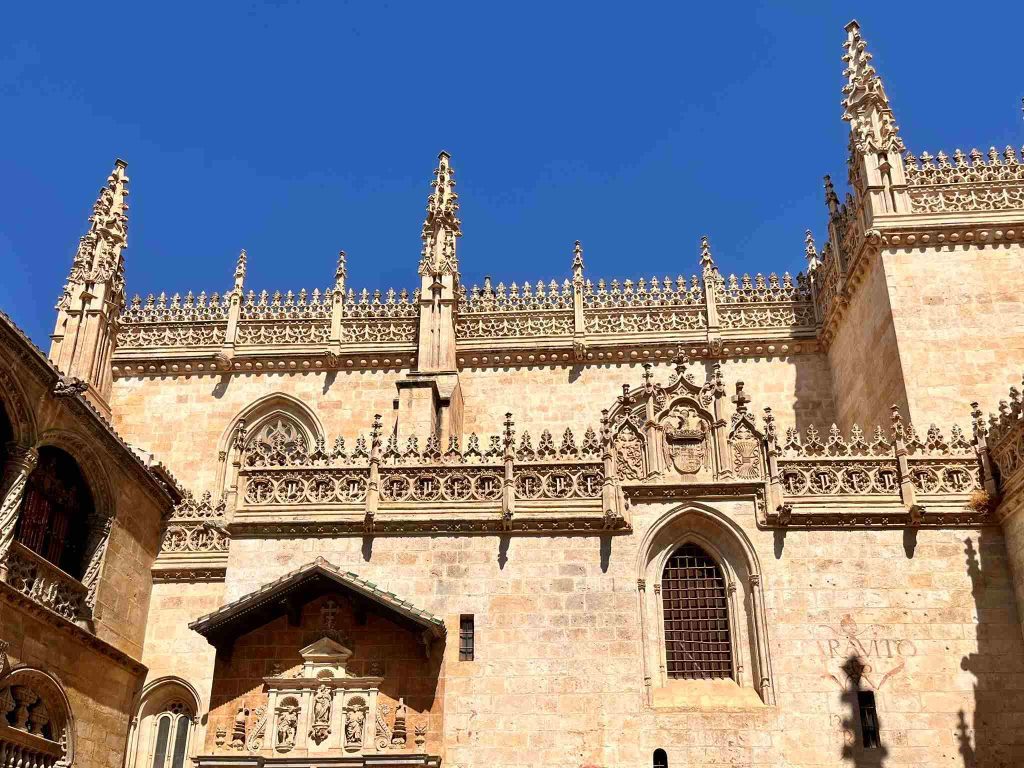
Having conquered Granada in 1492, Isabella I of Castile and Ferdinand II of Aragón decided this is where they should be buried. The Royal Chapel (1505-17) was built right next to the former main mosque, which had been temporarily consecrated as the city’s cathedral. The chapel is generally considered the pinnacle of Gothic and Mudéjar architecture in Granada, and it is worth going inside to admire the beautiful craftsmanship and to see the tombs of Isabella and Ferdinand.
Madraza
FREE
Opposite the Royal Chapel lies the Madraza, which was built by the Nasrid Dynasty in the 14th century as a madrasa or university. After the Christian conquest it became the city’s town hall. Very little of the original structure remains, but you can visit the mihrab, or prayer niche, which is decorated in a similar style to the Nasrid Palaces in the Alhambra. As the colours are much better preserved, it gives you an idea of what the Alhambra once looked like.
Lunch
Sample tapas based on local produce at Granada’s central market, the Mercado San Agustín, or Taberna Palo Cortao opposite.
Alternatively, head to the Albaicín, where you’ll be spending the afternoon. Splash out on one of the carmens in the Albaicín overlooking the Alhambra, or find a more modestly priced al-fresco restaurant in a pretty square like Placeta de San Miguel Bajo.
Afternoon
Upper Albaicín
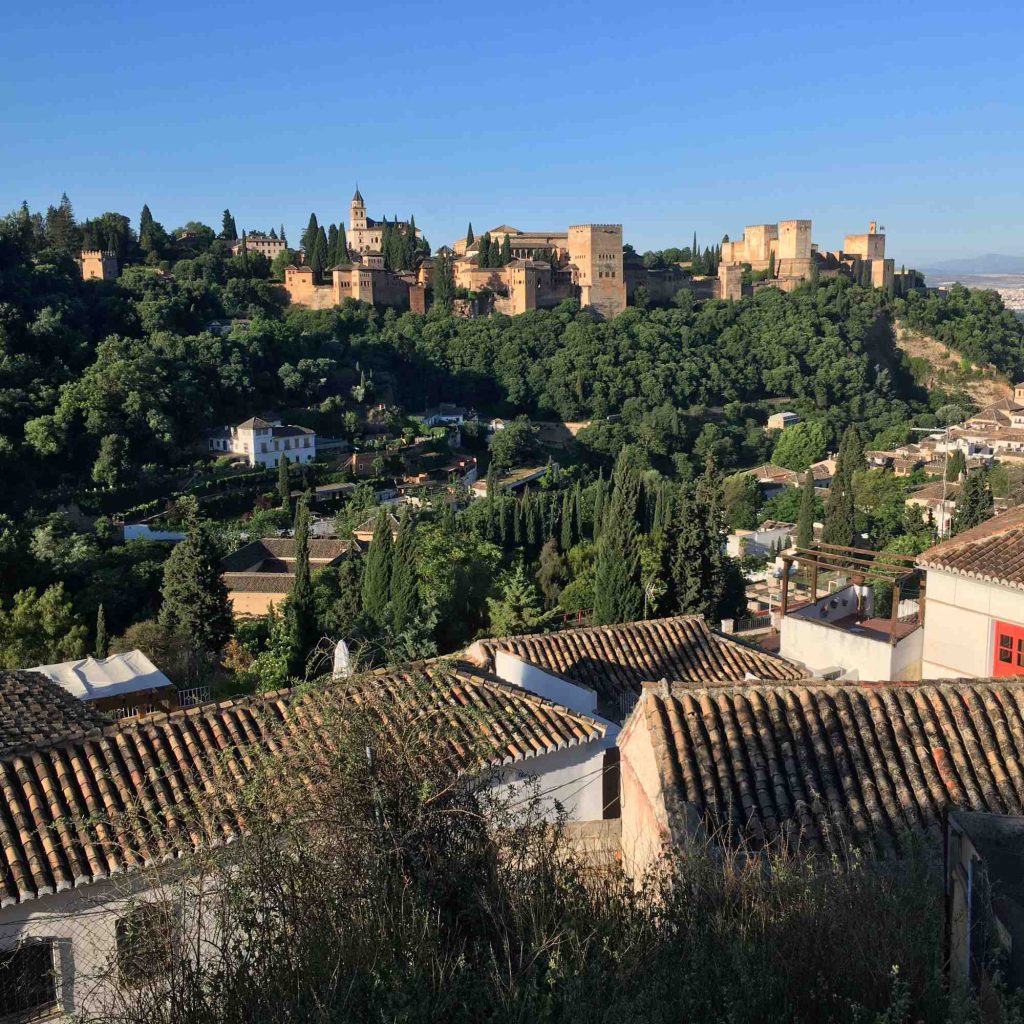
On the hill opposite the Alhambra lies the Albaicín, site of the original Moorish settlement. Enjoy losing your way amongst the charming, narrow alleyways and cobbled streets of this UNESCO World Heritage Site, whose street layout has barely changed since medieval times. The popular Mirador de San Nicolás offers fantastic views of the Alhambra, Generalife and the Sierra Nevada. Make sure you also visit Plaza Larga, the Carmen de los Geranios and the beautiful Palacio de Dar al-Horra ($).
Sacromonte
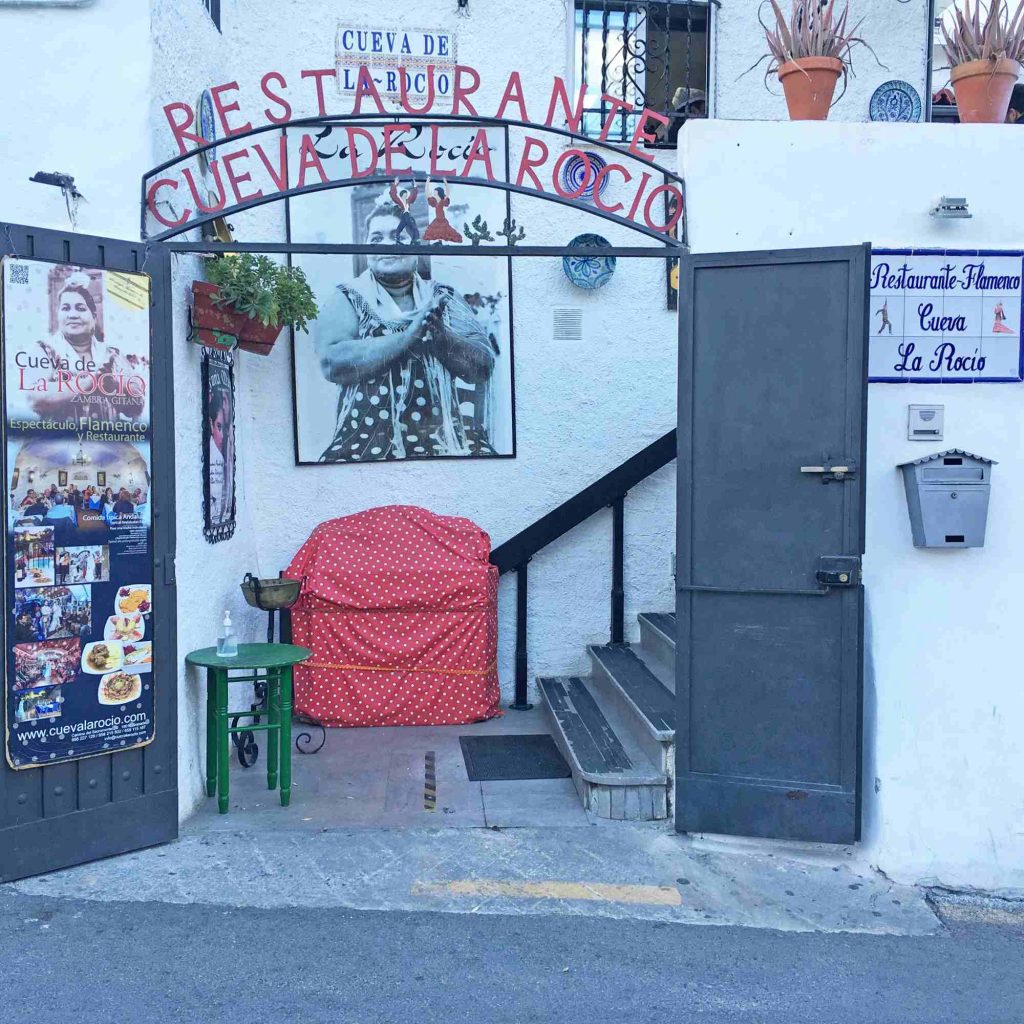
In Sacromonte, for centuries people have lived in cave houses dug out of the soft rock. The district lay just outside the historic city walls, which made it a haven for marginalised groups, including the Roma people. This is where flamenco developed in Granada, and it is still a great place to catch a flamenco show. It also offers spectacular views across the valley to the Alhambra.
If you would like to learn more about living in a cave house, you should visit the Sacromonte Caves Museum ($), and the Sacromonte Abbey ($) is also worth a visit.
Evening
Finish your day by watching a passionate flamenco show in a Sacromonte cave or at Jardines de Zoraya in the Albaicín. Many of the venues offer a package with dinner or drink + tapas.
Day 4
If your schedule allows, use the last morning to explore the Realejo district. Alternatively, go back to any of the sights you didn’t get time for or do some last-minute shopping in the Alcaicería or Mercado San Agustín. Or just relax and enjoy the atmosphere!
Morning
Realejo
Historically, Realejo was Granada’s Jewish quarter, but these days remnants of the city’s Muslim and Jewish legacy are intermingled with Christian churches and Renaissance palaces. There are no must-see attractions, but sights worth a visit include the Cuarto Real de Santo Domingo ($), Torres Bermejas, Fundación Rodríguez-Acosta ($), Casa de los Tiros and Campo de Principe. The district’s pleasant squares are also great places to linger over a coffee.
Related audio tours
Save money with a tour bundle
Included audio tours:
- Enchanting Granada: A Walking Tour of the Historical Centre and Lower Albaicín
- The Albaicín and Sacromonte’s Iconic Sights: A Granada Walking Tour
- Vibrant Multicultural Realejo: A Walking Tour of Granada’s Old Jewish Quarter
Questions and answers
Granada isn’t by any means all about the Alhambra. It’s worth setting aside at least a couple of days to explore the historic centre, Albaicín, Sacromonte and Realejo. The most-visited sights include the cathedral, Royal Chapel and Mirador San Nicolas, with its panoramic view of the Alhambra. And visitors from around Spain and beyond love Granada for its lively tapas bar scene (including free tapas!).
Ideally, you should allow at least three nights to visit the Alhambra and see the main sights in Granada. But if you only have one day available, check out our Granada Day Trip or Granada with Alhambra itinerary.
Yes, Granada is on the high-speed AVE train network. That being said, it’s on a bit of a branch line and is less well-served than other major cities in Andalucía. There is also a good quality bus service connecting it with other Andalucian cities, which often works out more convenient. The comfortable, modern coaches have an onboard toilet.