
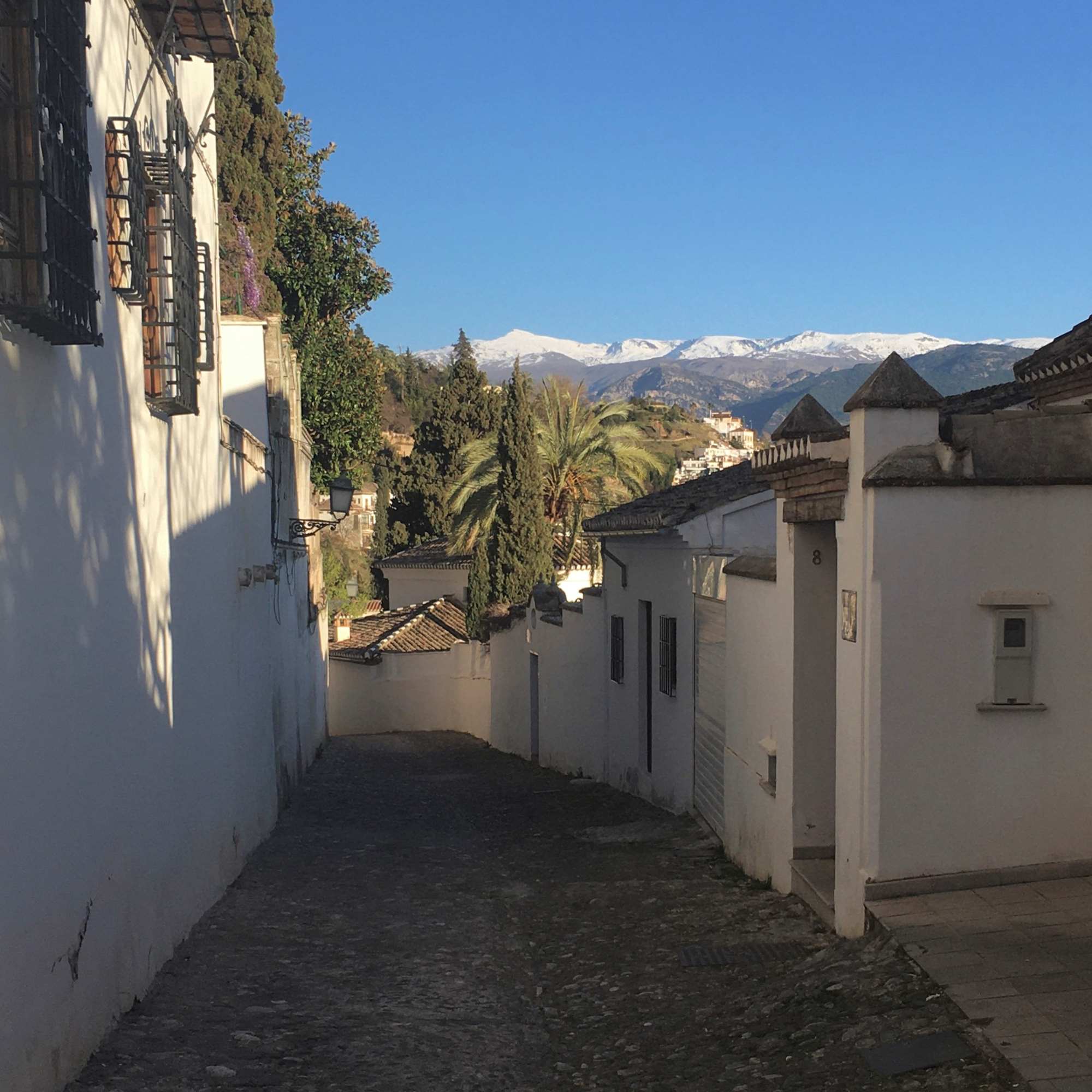
Realejo
During the Middle Ages, both Realejo and the Albaicín were arrabales – suburbs – of Granada, surrounded by their own walls. Realejo is thought to have been home to the main Jewish quarter, although Granada never had a clearly defined judería in the same way as Córdoba or Seville. Although Realejo’s medieval origins are much less well-preserved than the Albaicín, it’s still a fascinating district to explore. And if you know where to look, you can uncover some of the layers of Granada’s history.
Over the past couple of decades, Realejo has really gentrified, with its central location making it popular with locals, foreign residents and tourists. In spite of that, it remains a very diverse neighbourhood, where people from all backgrounds rub shoulders. Perhaps that explains why it has become such a popular area for going out, with lots of lively bars and restaurants.
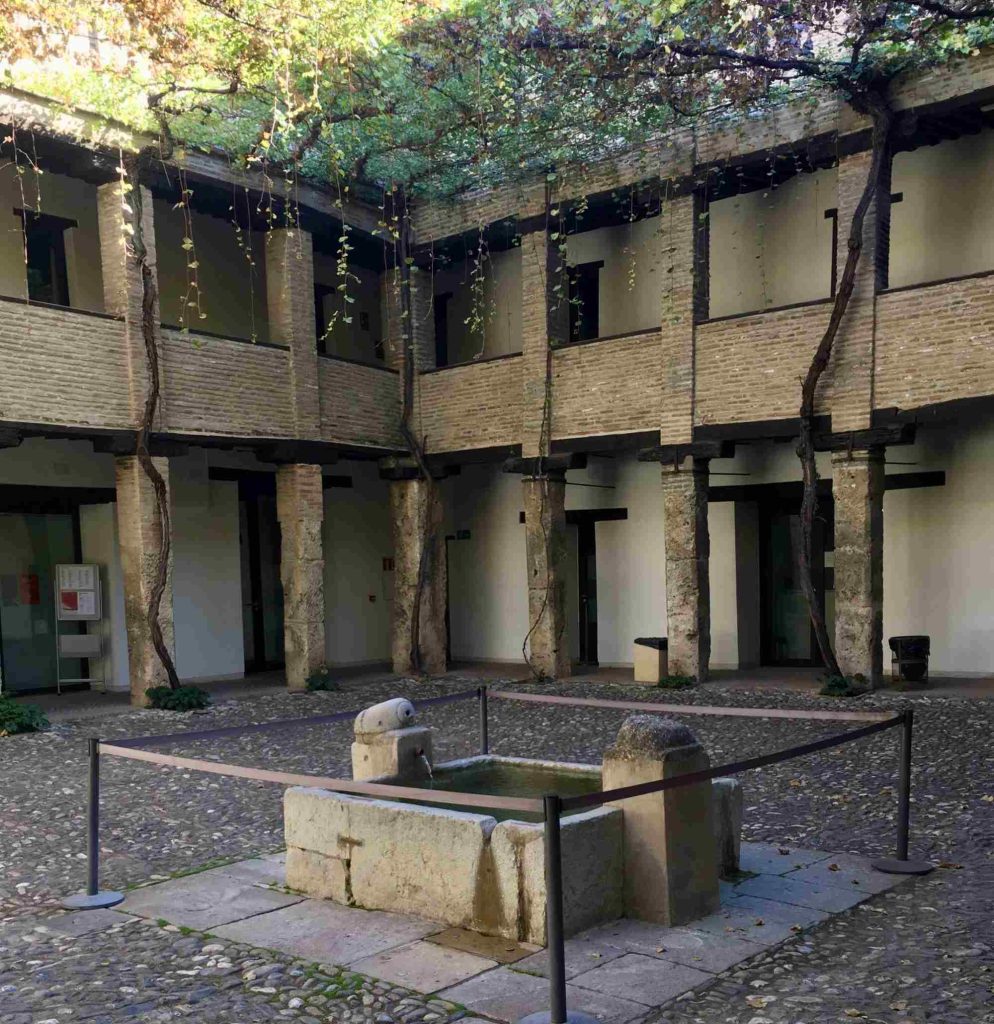
In the lower part of Realejo, the sights include the 14th-century Corral del Carbón, the City Hall, the Casa de los Tiros museum housed in a Renaissance mansion, and the Cuarto Real de Santo Domingo ($), with its beautifully preserved qubba and an interesting exhibition about Romantic travellers to Granada.
There are also a number of fine churches, including Santo Domingo and San Cecilio.
Strolling around the neighbourhood on foot is the best way to get to know it, but wear comfortable shoes: it is steep in places, and many of the streets are cobbled. The Cuesta del Realejo takes you up towards the Alhambra.
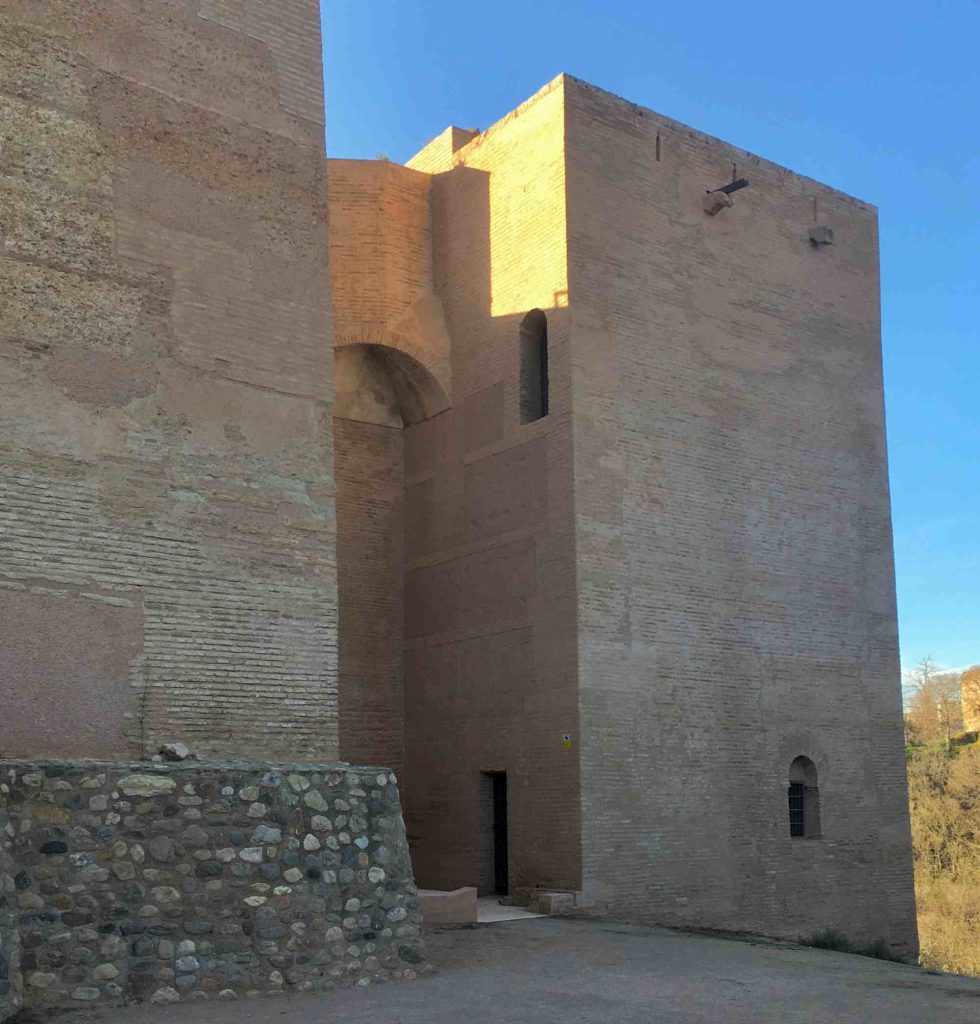
On the way up you’ll get some stunning views, and you can take a short detour to the imposing Torres Bermejas that formed part of the city wall and enjoy a shaded walk through the Alhambra woods.
Nearby is the Rodríguez-Acosta Foundation ($), which occupies a spectacular modernist carmen on a steep hillside plot, complete with gardens and underground tunnels that once connected it to the Alhambra. There’s also a small art museum, which is currently closed for refurbishment.
If you continue even further up the hill, you’ll eventually reach the Carmen de los Mártires, with its lovely Spanish, French and English gardens, and great views of the city, Alhambra and Sierra Nevada mountains.
The Lavadero de la Placeta Puerta del Sol is a great place to catch sunset. Or you can just watch the world go by over a drink in squares like Campo de Principe and Plaza de Carlos Cano.
Official websites:
- Rodríguez-Acosta Foundation: https://www.fundacionrodriguezacosta.com/en/
- Cuarto Real de Santo Domingo (in Spanish): https://www.albaicin-granada.com/cuarto-real/


Questions and answers
Realejo is full of great tapas bars. Everyone has their personal favourites, but try El Conde, La Tana, Casa de Vinos La Brujidera or Taberna Granados for tasty tapas and a good range of wines.
Realejo is thought to be the former Jewish quarter of Granada, but few traces remain. On the corner between Calle San Matias and Calle Panaveras there’s a statue of Judah ben Saul ibn Tibbon, a 12th-century Jewish physician and translator known as the patron of translators. In Placeta de Berrocal there is a small museum about Jewish culture and the history of the Jewish community in Granada, but you need to phone in advance if you want to visit it.
Cuarto Real de Santo Domingo is absolutely worth a visit. It contains what remains of a Nasrid palace built before the Alhambra, at the end of the 1200s, including a beautifully decorated qubba or reception room. There’s also an interesting exhibition about Romantic travellers to Granada in the 18 and 1900s. There is a modest entrance fee, but it’s free on Sunday mornings.