
From the Caliphate to the Almohads (929–1238)
Although it was politically independent, the Emirate of Córdoba (711–929) nominally recognised the Abbasid Caliphs in Baghdad as having supreme religious authority. However, the establishment of the Fatimid Caliphate in Egypt in 909 set a precedent that Al-Andalus would soon follow. The Caliphate of Córdoba was splendid but short-lived, and the centuries following its collapse were plagued by conflict.
Caliphate of Córdoba
In 929, after finally putting down the rebellion of Umar ibn Hafsūn, the Emir of Córdoba Abd al-Rahman III declared himself Caliph. To mark the event, he built a new capital at Medina Azahara, just a few kilometres away from Córdoba. Although it has been repeatedly sacked and looted for materials over the centuries, archaeologists have worked hard to start piecing together what remains. If you’re interested in Andalucía’s Muslim heritage, you should make an effort to visit it – as well as the city itself, there’s a good visitor centre. Abd al-Rahman also founded Almería, and its enormous Alcazaba is another of the great monuments of the Caliphate.

Civil war and taifas
In 1013, the Caliphate descended into civil war, and Al-Andalus split up into a number of smaller principalities called taifas, including the taifas of Seville, Granada, Málaga and Almería. Although this was a time of instability and conflict, Al-Andalus continued to be a centre of culture and learning, and there are numerous fine monuments from this period.
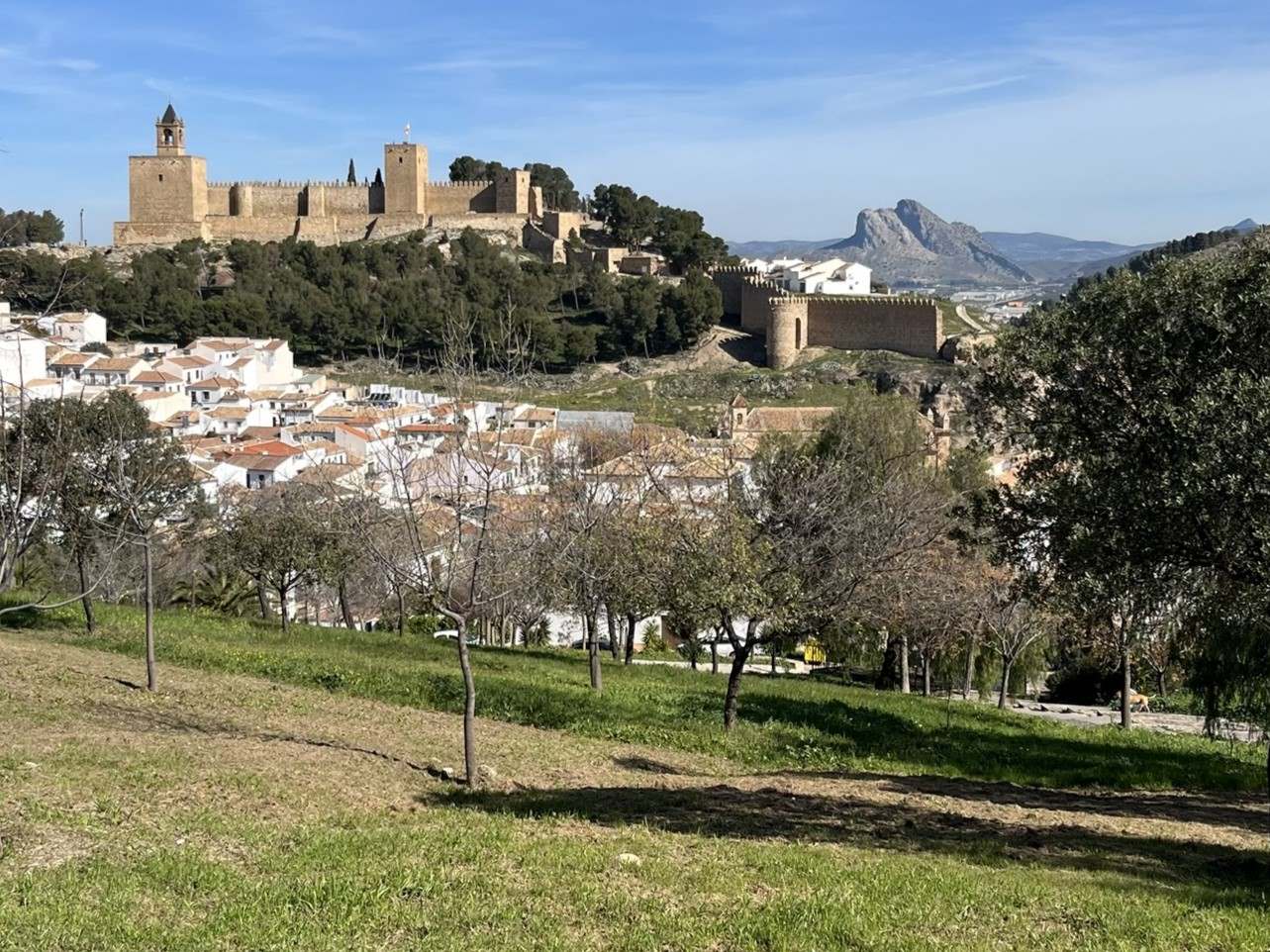
In Granada, the Ziri dynasty built many of the walls and gates that you can still see today in the Albaicín, including the Puerta de Elvira, as well as the bell tower of the Church of San José, which was once the minaret of a mosque. It is likely they also built the original Alcazaba in Antequera.
In Almería, the mighty wall between the Alcazaba and the Cerro de San Cristóbal was built by Jairan, who founded the taifa of Almería. The Palace of al-Mu’tamid in Seville, which dates from this period, is currently being restored so that it can open to visitors.
The fragmentation of Al-Andalus provided an opportunity for the Christian kingdoms to push south. Unable to resist, the taifas were forced to pay parias – tributes – to the kings of León in return for peace.
Almoravids
After King Alfonso VI took Toledo in 1085, the rulers of several taifas begged the Almoravids, a nomadic people who had taken control of what is now Morocco, to come to their aid. They did, but then went on to annexe all of the taifas to their empire, reuniting Al-Andalus. They had the support of many ordinary people, who saw them as the only bulwark against the Christian advance, and at least initially approved of their more austere interpretation of Islam, which contrasted with the decadent courts of the taifas.
The Almoravid capital in Al-Andalus was Granada, which for the first time took on greater importance than Córdoba or Seville. While the Muslim population supported their stricter enforcement of religious law, this was accompanied by growing intolerance towards the Christians and Jews. And as the Almoravids were frequently at war with the Christian kingdoms in the north, Christians in Al-Andalus were seen as a potential internal enemy that would undermine Al-Andalus from within. Some Christians responded by converting to Islam, while others emigrated north.
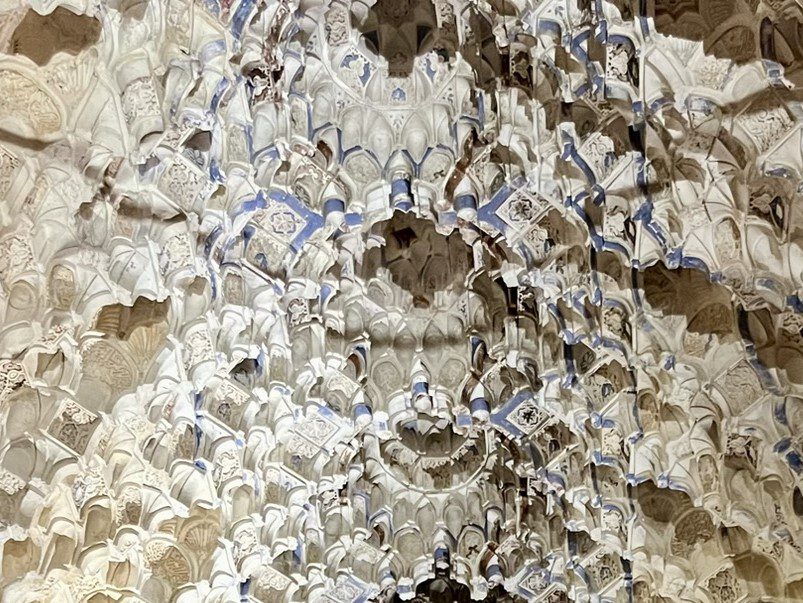
In their architecture, the Almoravids were greatly influenced by the taifas that preceded them, but they also introduced the muqarna or mocárabe, a three-dimensional ceiling decoration reminiscent of stalactites, which is thought to represent the cave where Muhammad received the Koran.
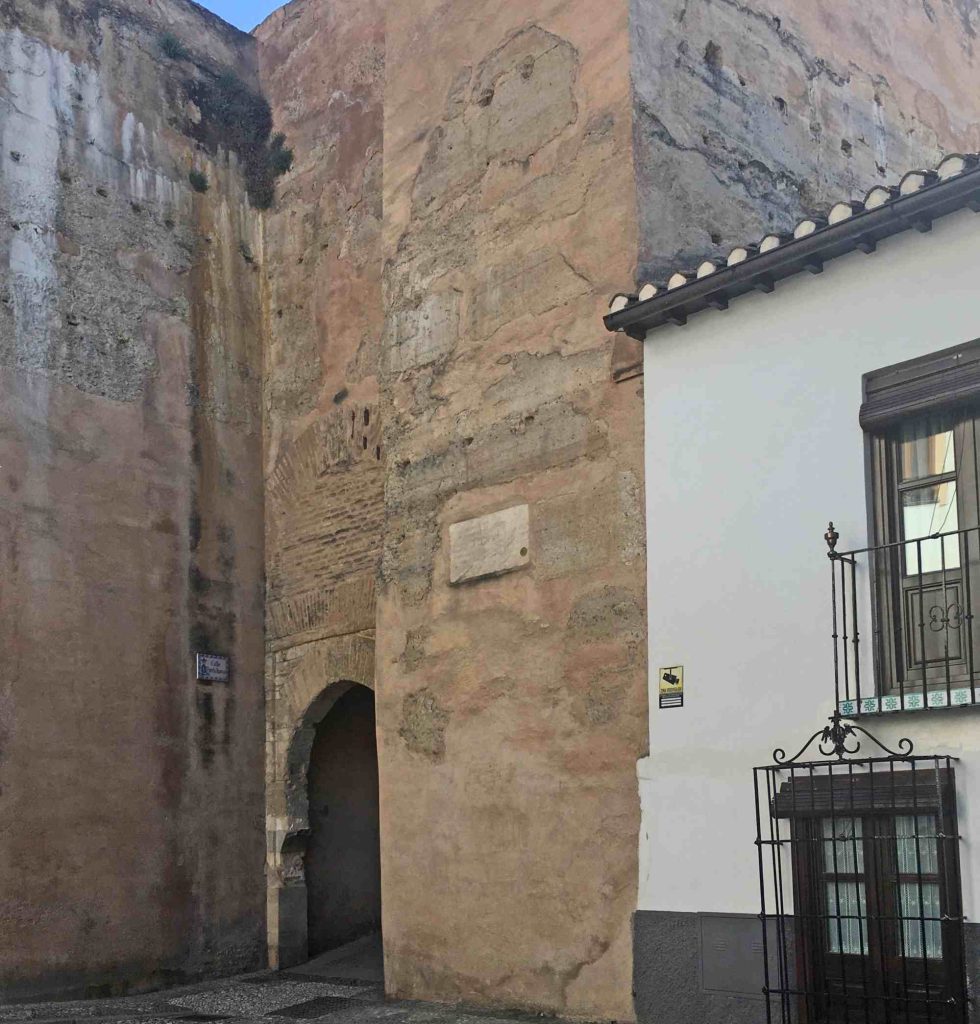
There are few examples of Almoravid architecture still standing, but it is thought they created the Puerta de las Pesas, one of the gates in Granada’s city walls.
Almohads
Although the Christians were pressing them from the north, the mortal blow to the Almoravid Empire came from the south, when a new force emerged in the mountains near Marrakech. This was the Almohad movement, which from 1145 to 1157 conquered the whole of Almoravid Empire, including Al-Andalus. The Almohads had an even more implacable interpretation of Islam, and the Christians and Jews were forced to choose between being expelled or converting to Islam. Those who fled during this period include Maimonedes, a great Jewish philosopher and physician from Córdoba who went on to become Saladin’s personal physician, and Judah ben Saul ibn Tibbon, a translator and scholar from Granada.
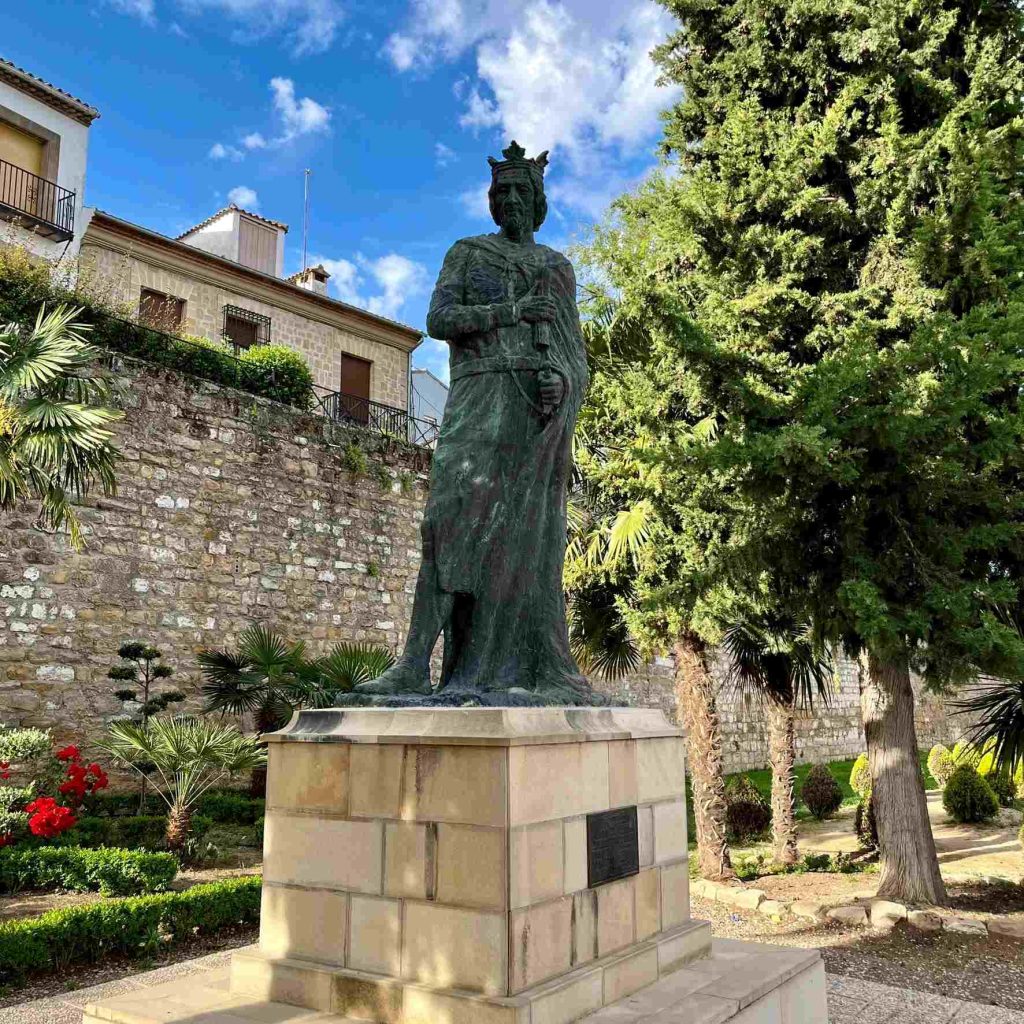
The Almohads gained some important victories against the Christians, most notably at the Battle of Alarcos in 1195, and in 1211 they took Salvatierra, threatening Toledo. This led the Pope to declare a Crusade against them, in which Portugal, Castile, Aragón and Navarre united their forces. In 1212 this Christian alliance inflicted a crushing defeat on the Almohads at the Battle of Navas de Tolosa, just south of Despeñaperros, the pass that separates Andalucía from the plains of La Mancha.
This defeat fatally weakened the Almohads, and by 1236, the whole of the upper Guadalquivir valley, including Córdoba, Úbeda and Baeza, had been taken by Ferdinand III of Castile.
The Almohads moved the capital of Al-Andalus to Seville, where their legacy includes the Torre del Oro and La Giralda, as well as most of the city walls that you can see today.
Other fine examples of Almohad architecture include the bell towers of San Juan de los Reyes in Granada, the church in Árchez and the Convent of Saint Francis in Vélez-Málaga, which were all built as minarets. The Torre de Calahorra in Córdoba was probably also built by the Almohads, although much of the structure you see today dates from the Christian period.

Related articles
Related audio tours
Related itineraries

Antequera
Day Trip

Córdoba
2-3 Nights

Córdoba Day Trip
Day Trip

Granada
2-3 Nights

Seville
4-5 Nights
Questions and answers
Taifa was the name given to the small principalities that emerged in Al-Andalus after the collapse of the Caliphate of Córdoba. The taifas included Seville, Granada, Málaga and Almería.
The Almoravids were a nomadic people who came from what is now Morocco and took control of Al-Andalus in the 11th-12th century. In the mid-12th century, they were displaced by the Almohads, another group who emerged near Marrakesh.
A mocárabe or muqarna is a three-dimensional ceiling decoration reminiscent of stalactites, thought to represent the cave where Muhammad received the Koran. The Almoravids introduced mocárabes to Al-Andalus.
The Torre de Oro and Giralda were built by the Almohads.