
Christian Andalucía in the Middle Ages
Starting with the Battle of Navas de Tolosa in 1212, the Christians gradually expanded their territories in Andalucía, until Isabella I of Castile and Ferdinand II of Aragón defeated the last remaining Muslim kingdom in 1492.
Alfonso VII’s aborted advance
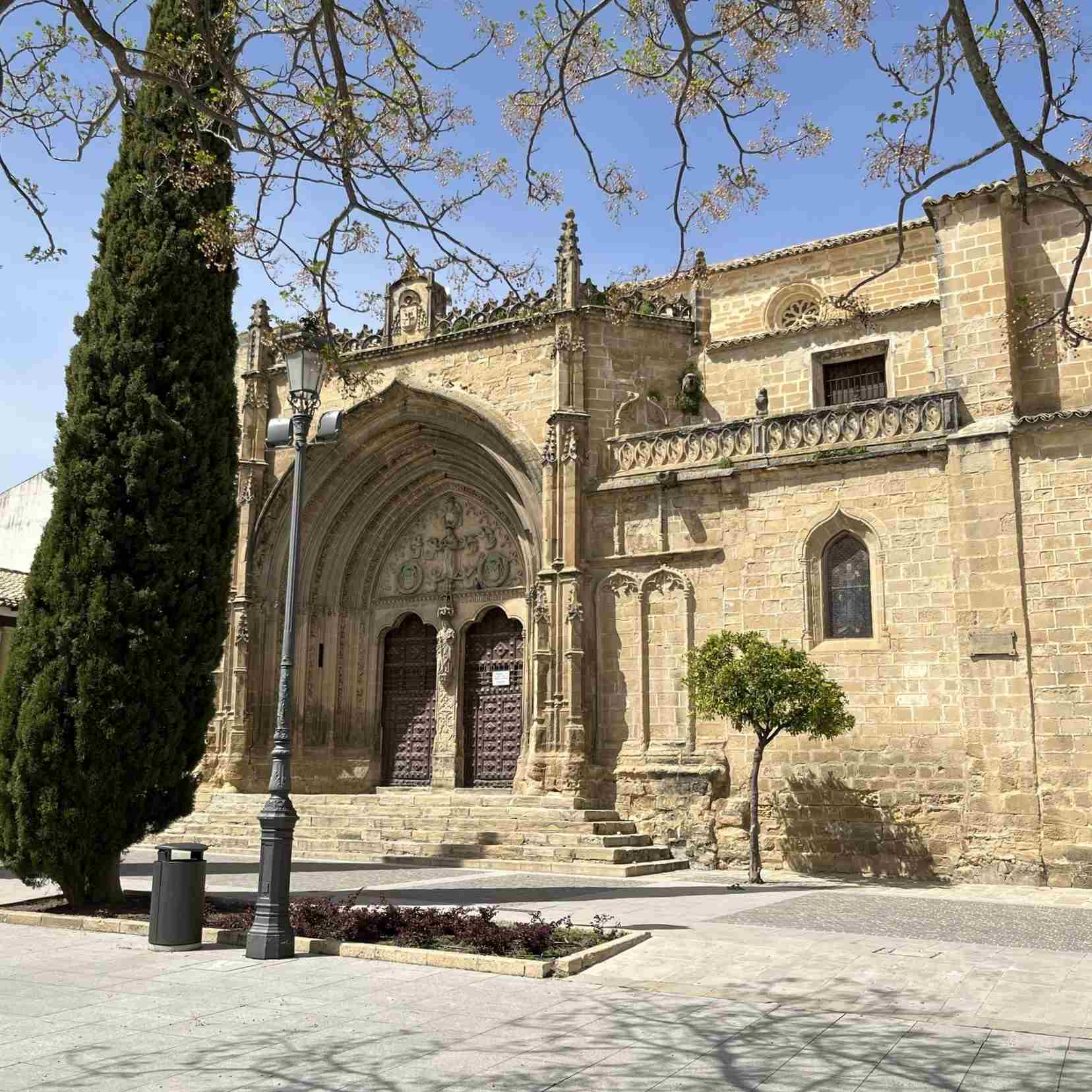
In the mid-12th century, when the Almoravids came under attack from the Almohads in Africa, Alfonso VII of León exploited the situation to briefly conquer parts of Andalucía, including Úbeda, Baeza and Almería. But around ten years later the Almohads retook all of those towns and pushed the frontier back up beyond the Sierra Morena mountains.
Battle of Navas de Tolosa
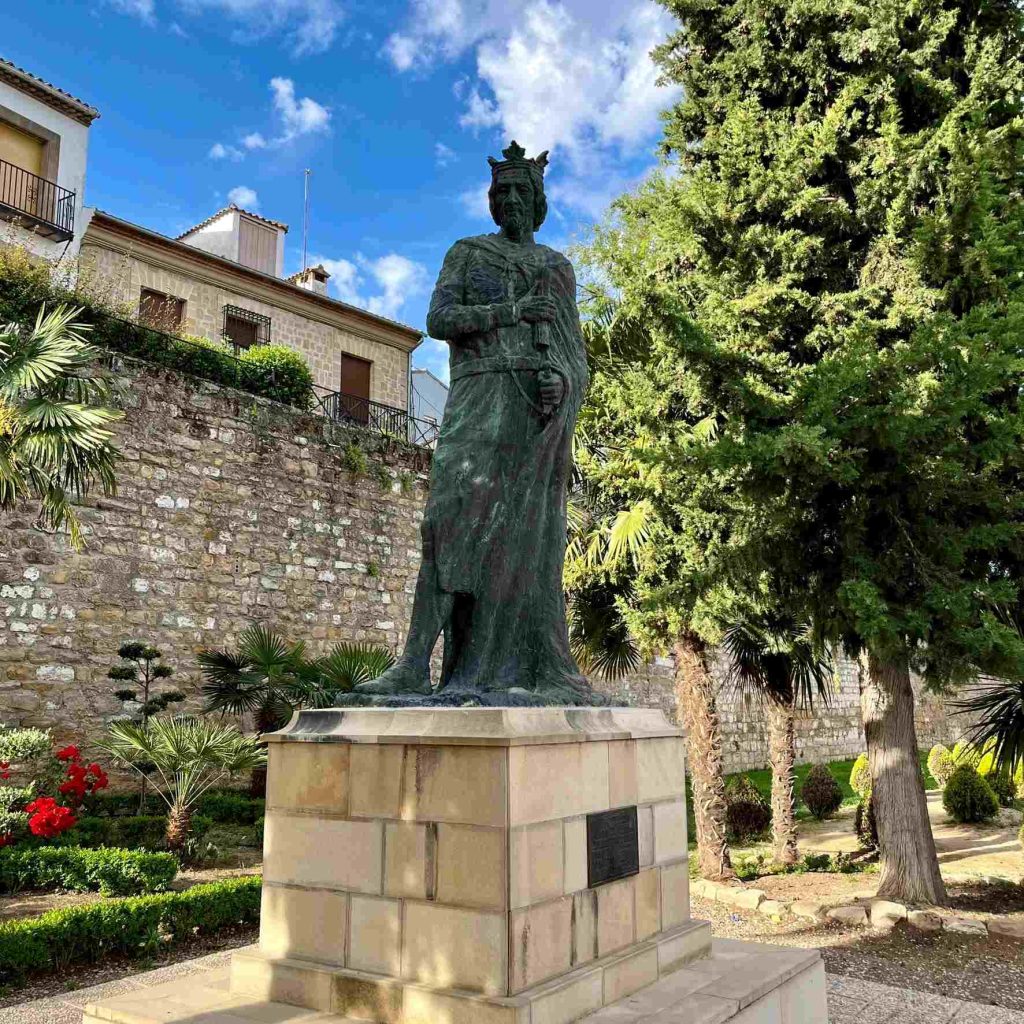
It was only after their victory at the Battle of Navas de Tolosa (1212) that the Christians were able to establish a lasting foothold in Andalucía, for the first time since the Muslim invasion of 711. Their first priority was to take the Guadalquivir valley and Atlantic coast, which was achieved in the 13th century by Ferdinand III of Castile and his son Alfonso X. Between them they conquered Úbeda, Baeza, Jaén, Córdoba, Seville, Sanlúcar de Barrameda, Jerez de la Frontera and Cádiz. This left the Kingdom of Granada as the last remaining Muslim stronghold.
In this period, Úbeda and Baeza took on great importance, as towns guarding the frontier between Castile and Granada. Nobles were encouraged to move there with their knights, in return for numerous privileges, including lordship over large tracts of lands.
Initially, Muslims in the areas conquered by Castile were allowed to continue practising their faith and had some autonomy over their own affairs. These Muslims were known as Mudéjars, which is also the name given to the style of architecture that developed in the Christian kingdoms around this time, drawing heavily on Islamic traditions and craftsmanship.
In the newly conquered territories, the Christians wasted no time in reconsecrating mosques as churches and cathedrals, and founding monasteries and convents. Gradually, the mosques were replaced with new churches, mostly built in the Mudéjar style.
Mudéjar Rebellion
Although they were able to stay in Christian territory, particularly in the towns the Muslims faced pressure to make way for Christian settlers and soldiers from the north. This programme of forcible resettlement eventually led to the Mudéjar Rebellion in 1264, which began almost simultaneously in the lower Guadalquivir valley and Murcia. The Muslim rebels were supported by Muhammad I of Granada, who provided military aid and ceased payment of his tribute to Castile.
The rebels took important towns like Murcia and Jerez de la Frontera, as well as many smaller towns and castles, but the rebellion failed in Seville. Alfonso X responded quickly to the danger and by the end of the year he had retaken most of the towns in the lower Guadalquivir. Murcia finally fell in 1266, and Muhammad was forced to resume his tribute payments in order to hold onto his kingdom.
The Mudéjars were expelled from the areas where the rebellion had been centred, with many choosing to take refuge in the Kingdom of Granada. After this, only a residual Muslim population remained in the Christian part of Andalucía.
Alfonso XI’s reign
The next major confrontation took place during the reign of Alfonso XI (reigned 1312–50), who captured the strategic town of Olvera in 1327. With the Kingdom of Granada in peril, the Marinid Dynasty from Morocco came to its aid, forcing the Christians out of Algeciras in 1329 and then Gibraltar in 1333. However, at the Battle of Salado near Tarifa in 1340, a combined Portuguese and Castilian army won a comprehensive victory which effectively ended the Marinid involvement in the Iberian Peninsula.
Following the victory, Alfonso was able to take heavily fortified frontier towns like Alcalá la Real, Priego de Córdoba and Algeciras, but he died of the Black Death laying siege to Gibraltar, which remained in Muslim hands until 1462.
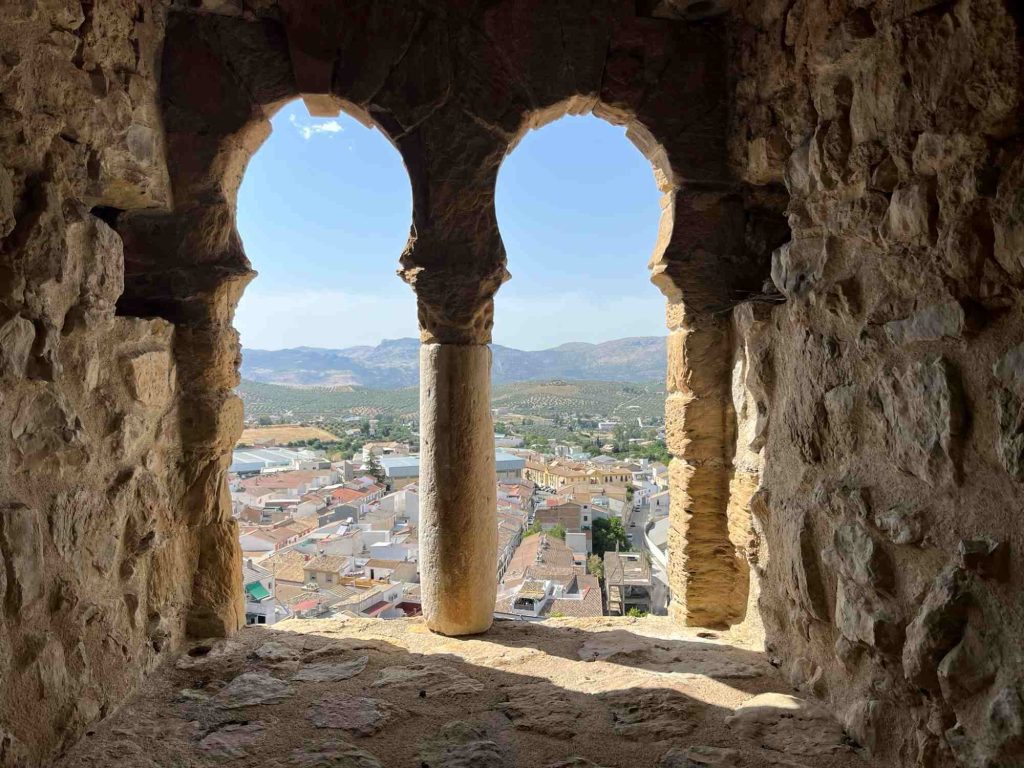
The castles at Alcalá la Real and Priego de Córdoba, which combine Muslim and Christian elements, are both worth a visit.
Alfonso XI was responsible for the construction of most of the Castle of the Christian Monarchs (Alcázar) in Córdoba, including Doña Leonor’s Royal Baths, which were built in the Moorish style for his beloved mistress Leonor de Guzmán. She helps to explain why Alfonso XI’s legacy was decidedly mixed, in spite of his success on the battlefield: he had just one legitimate son with his wife, but ten with Leonor.

Pedro I and Enrique II
After Alfonso XI’s death in 1350, there was a civil war between the supporters of his legitimate son Pedro I (1350–66, 1367–69) and Leonor’s son Enrique II (1366–37, 1369–79). The war finally ended when Enrique assassinated his half-brother Pedro after defeating him at the Battle of Montiel in 1369.
Inadvertently, the conflict benefited Granada: distracted and exhausted by the war and the aftermath of the Black Death, and still in conflict with Portugal and England, Castile was in no position to wage war with the Muslims. From 1370 until 1406, it therefore agreed truces with Granada without demanding significant tributes in return.
Throughout this period, the Castilian monarchs had an itinerant court, which meant that their court followed them around wherever they went, often to raise taxes or deal with rebellions or disputes. In Andalucía, Seville was their most important base, and this is where Alfonso X had built his grand Gothic palace in the mid-13th century. Pedro I also established his court there for a number of years, and his palace is perhaps the finest example of Mudéjar architecture in Andalucía. Together, the two palaces now constitute the Real Alcázar.

Antequera: the key to Granada
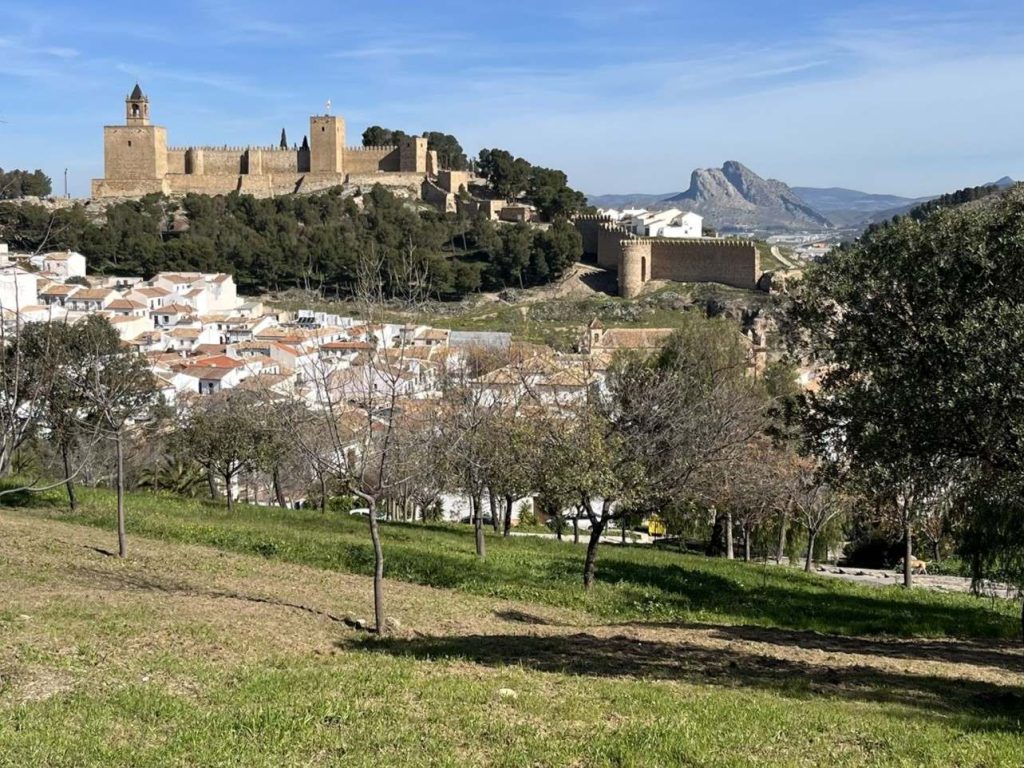
In 1406 Castile again went to war with Granada. Castile suffered a humiliating defeat at Collejeras near Baeza, but in 1410 Prince Ferdinand of Castile took the vital fortress of Antequera – known as the “key to Granada”. However, Castile failed to capitalise on its success, partly due to further internal disputes between the kings and their increasingly powerful and disobedient nobles.
In spite of this turmoil, the 15th century did see the construction of Seville’s cathedral, built in the Gothic style on the site of the former great mosque, which had previously been reconsecrated as a cathedral. The Giralda and orange tree courtyard still stand as reminders of the mosque that once stood there.

Isabella I of Castile and Ferdinand II of Aragón
In 1469, the future Isabella I of Castile and Ferdinand II of Aragón married, bringing together the two most powerful kingdoms of the Iberian Peninsula and setting the stage for the final successful campaign against Granada. This involved gradually tightening the noose around Granada from all sides, starting in the west, where Ronda and Marbella were taken in 1485. The fortresses just to the north and west of Granada fell next, in 1486: Íllora, Moclín, Montefrio and Loja.
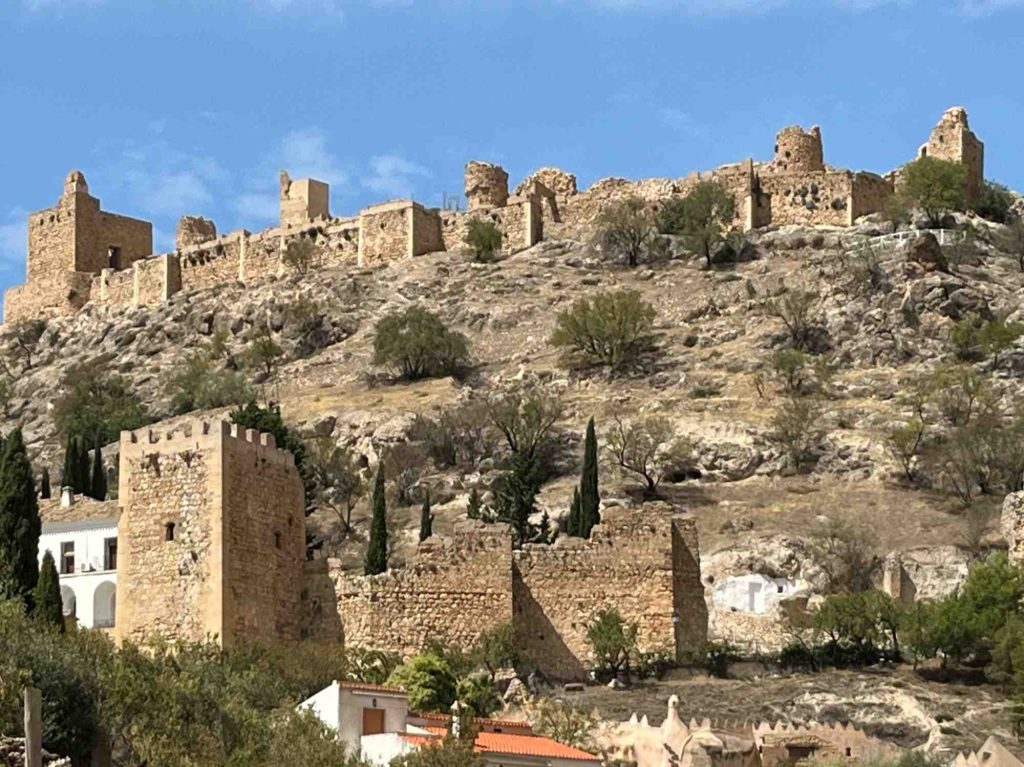
On the south coast, Vélez-Málaga was captured in 1487, followed by Málaga after a bloody four-month siege. Next the focus moved to the east, where the Christian army took Vélez-Blanco and Vélez-Rubio in 1488. After a six-month long siege, Baza capitulated in December 1489, precipitating the Christian conquest of Almería and the remaining coastal fortresses, including Salobreña and Almuñecar.
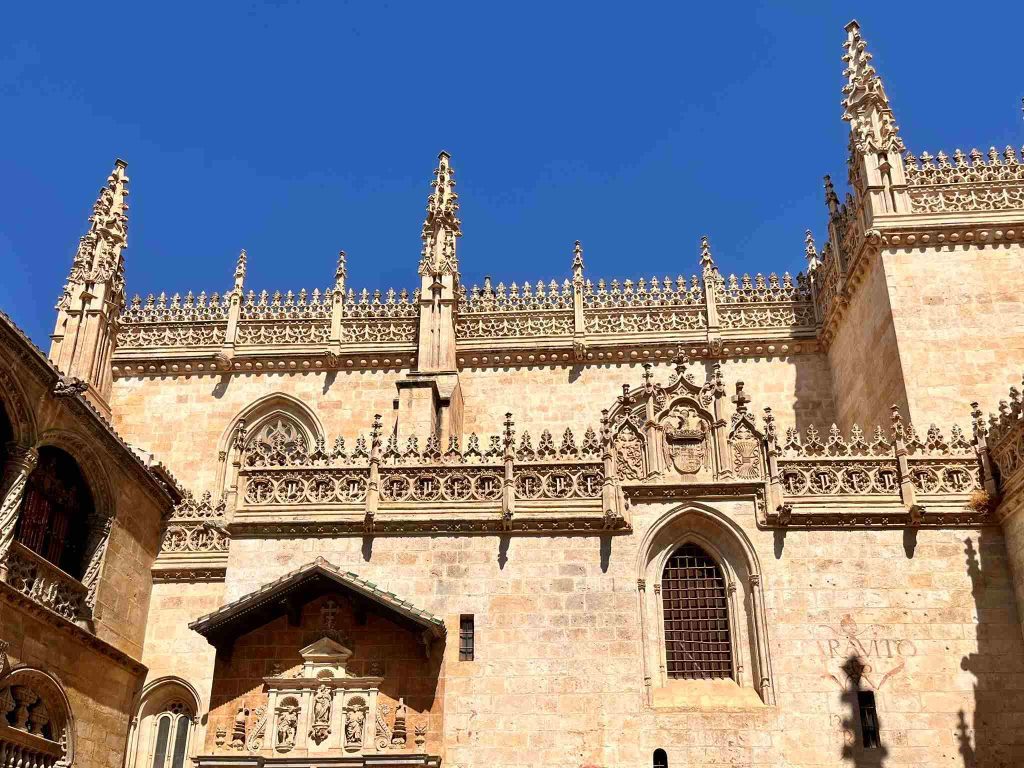
In 1492, Isabella and Ferdinand – jointly known as the Catholic Monarchs – could finally enter Granada.
Related articles
Related audio tours
Related itineraries

Antequera
Day Trip

Córdoba Day Trip
Day Trip

Granada
2-3 Nights
Nasrid Kingdom of Granada
8 nights +

Seville
4-5 Nights
Questions and answers
Navas de Tolosa is just south of the main pass through the Sierra Morena mountains, so the battled paved the way for the Christian conquest of Andalucía. The battle was also unusually bloody, with a large proportion of the Almohad army being killed.
Ferdinand III expanded Christian rule across much of Andalucía, including Córdoba and Seville, so many Christians considered him a saint. He was beatified in the 17th century, but it is disputed whether he was ever canonized (in other words officially made a saint).
Isabella I of Castile and Ferdinand II of Aragón were jointly known as the Catholic Monarchs. They were given the title by Pope Alexander VI, in recognition of their staunch defence of the Catholic faith in their kingdoms.
The 800-year-long period of Muslim rule in the Iberian Peninsula ended in 1492, when Isabella I of Castile and Ferdinand II of Aragón forced the surrender of the last Nasrid King of Granada, Boabdil.