
Alcázar de los Reyes Cristianos
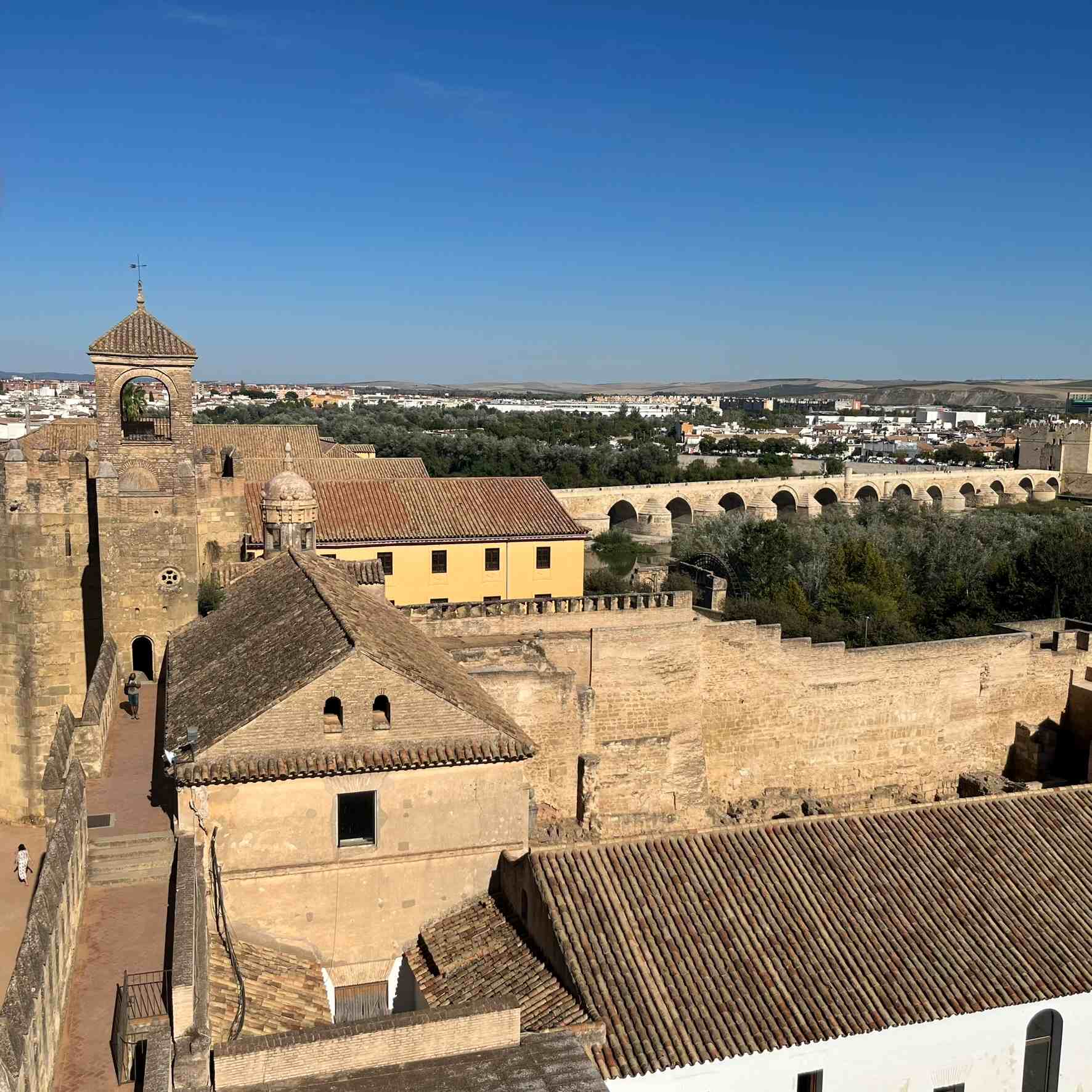
Although it rightly plays second fiddle to the Mosque-Cathedral, the Alcázar de los Reyes Cristianos (Castle of the Christian Monarchs) is another sight you really should make an effort to visit while you’re in Córdoba.
As its name suggests, the castle you can see today is largely the work of Córdoba’s Christian rulers, but it is built on top of earlier Roman and Muslim structures.
History
Under the Romans, this strategic location by the River Guadalquivir was where the governors lived and where customs duties were collected. In the Middle Ages, the city’s Muslim rulers built a magnificent royal residence here, but during the 11th century, Córdoba was sacked on numerous occasions. By the time the Christian kingdom of Castile conquered the city in 1236, the palace had fallen into a state of disrepair.
In spite of this, the Alcazár remained the royal residence in Córdoba, and Alfonso X (reigned 1352-84) performed some restoration work in the 13th century. His great-grandson Alfonso XI (reigned 1312-1350) is credited with building the castle that we can see today, including the Arab-style baths known as the Baños de Doña Leonor, which he created for his mistress, Leonor de Guzmán.
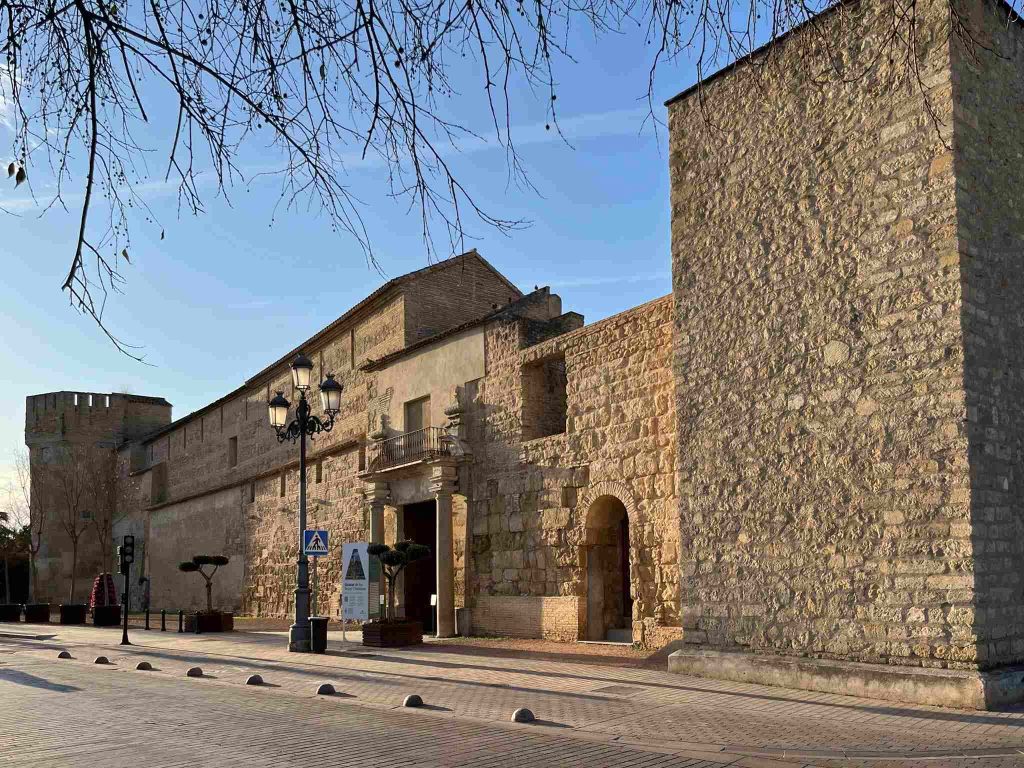
In 1492 the castle became the seat of the Inquisition in Córdoba, which it remained until the Inquisition was abolished in 1812.
Architecture
Alfonso XI’s goal was to create a grand castle in the Gothic style, which would stand as a monument to Christian architecture and contrast with the Islamic Mezquita. This had particular symbolic importance in Córdoba, which had for centuries been the Muslim capital in the Iberian Peninsula.
The castle consists of two courtyards surrounded by four towers connected by ramparts. The oldest tower is the Torre del León, which dates from the Muslim period, but the most striking one is probably the octagonal Torre del Homenaje. The Torre de la Paloma, which was rebuilt in the 20th century, bears little resemblance to the original tower. Visitors can climb up onto the ramparts for great views of the surrounding city.
Several rooms in the castle house an excellent collection of Roman mosaics, which were discovered by chance under Plaza de la Corredera in the 1950s.
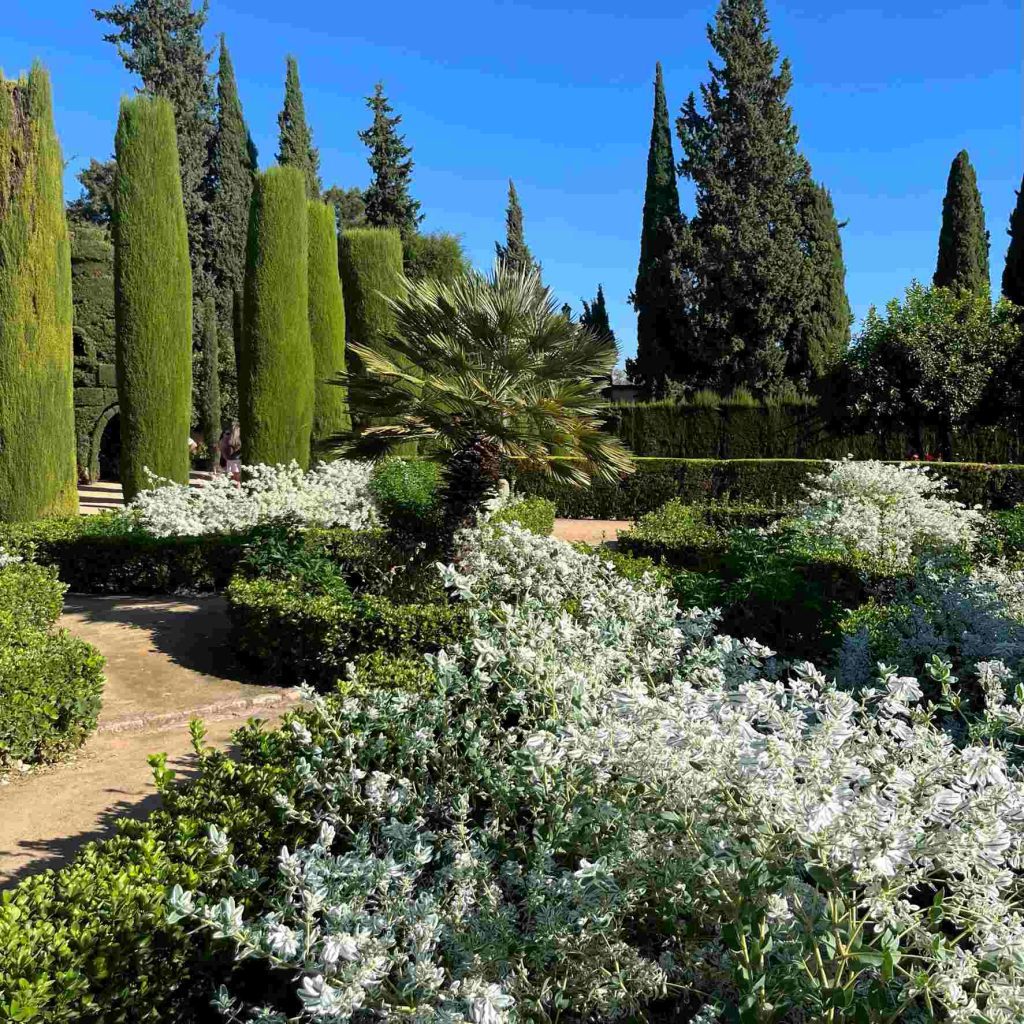
One of the highlights of the visit are the magnificent terraced gardens, which were only created in the mid-20th century, but whose fountains, ponds and statues across three levels evoke Córdoba’s rich heritage.
Practicalities
- The Alcázar opens Tuesday-Sunday, but it closes early on Saturdays and Sundays.
- In summer (16 June-15 September), the Alcázar closes at 14:15 every day.
- You can buy tickets online or on the door.
- There is a joint ticket with the Caliphal Baths, as well as a combined ticket for many of Córdoba’s museums and sights.
Related articles
Related audio tours


Questions and answers
Most of the castle we can see today was built in the 14th century by Alfonso XI of Castile. However, Alfonso’s castle built on the former Muslim castle and even earlier Roman construction.
No! An Alcázar is a royal residence, whereas an Alcazaba is a fortified citadel. However, both are sometimes translated as “castle” in English.
Tickets are available online but it’s not normally necessary to buy in advance.
Yes, the Castle of the Christian Monarchs in Córdoba closes on Mondays.
Opening times may vary through the year but the Córdoba tourist office website keeps an up-to-date list here: https://www.turismodecordoba.org/monuments-and-museums-opening-hours.