
Mosque-Cathedral of Córdoba
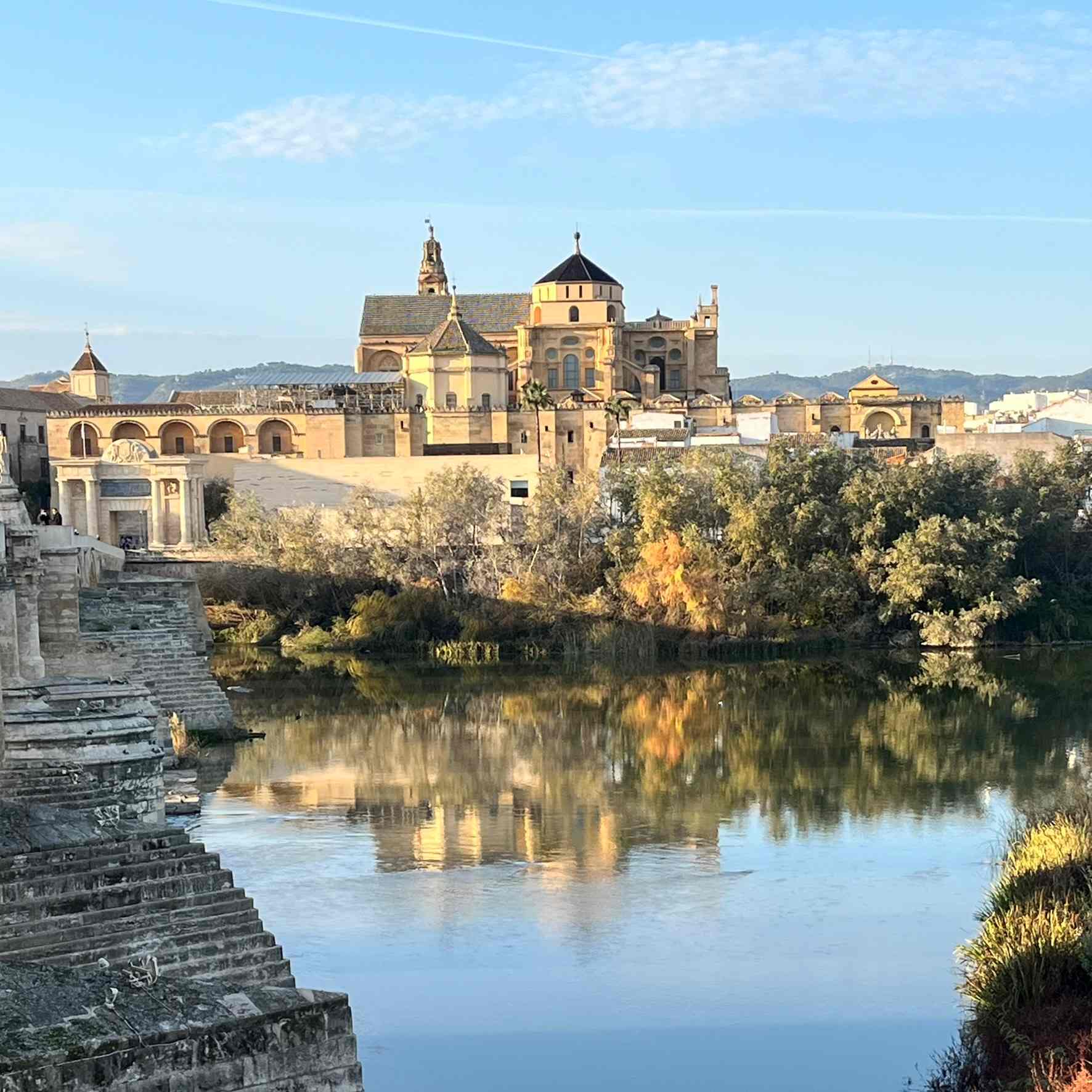
As you walk across the Roman bridge towards Córdoba’s city centre, the Mosque-Cathedral dominates the skyline. The idiosyncratic combination of Muslim and Christian religious architecture makes the Mezquita, as it is generally known, one of the world’s most remarkable and easily identifiable buildings. Together with the Alhambra, it is the outstanding example of Andalucía’s Islamic heritage, and no first visit to Córdoba would be complete without stepping inside.
History
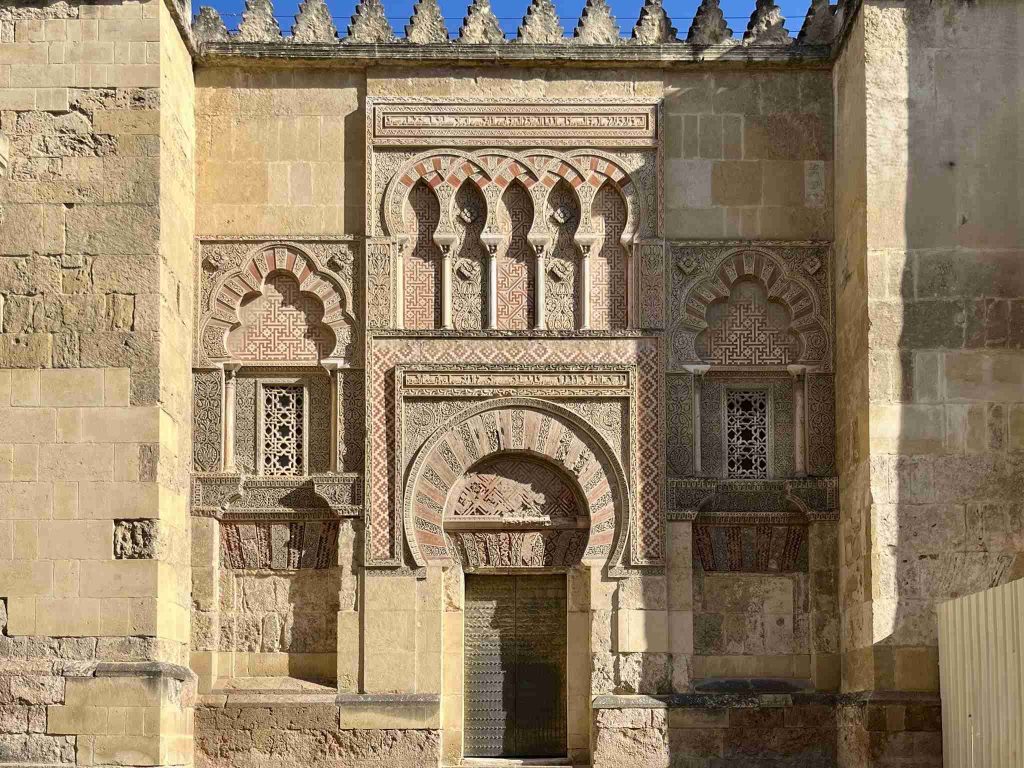
The Mezquita is one of the earliest examples of Moorish architecture in Spain, with work on the original mosque begun by the Umayyad Dynasty in 786. This was Córdoba’s congregational mosque, or great mosque, where people from all over the city came together to pray on Fridays. As the city’s population grew, the mosque needed to be extended on three occasions, first towards the river, and then eastwards. It reached its current size in 994, when Córdoba was the capital of the Caliphate of Córdoba, and one of the biggest cities in the world. The minaret was also rebuilt in the 10th century.
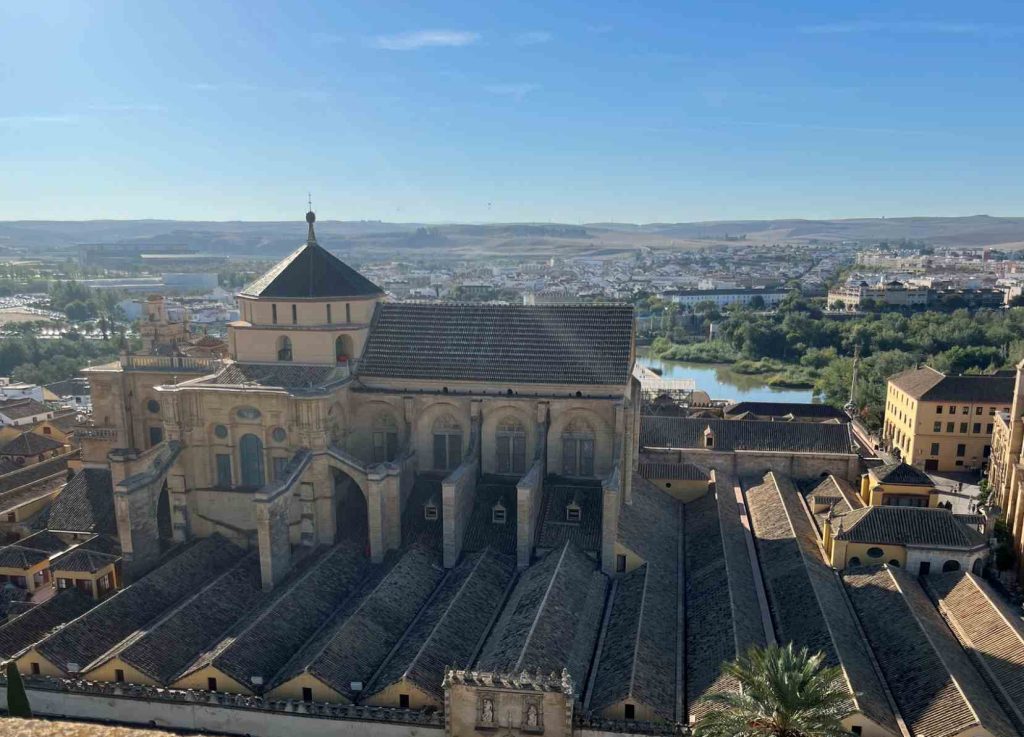
After the Christians conquered Córdoba in 1236, they reconsecrated the mosque as their cathedral. Initially, they made very few changes to its structure, although a royal chapel was incorporated in the 14th century, followed by a small Gothic nave the following century. The really big changes began in the 1520s, during the reign of the Emperor Charles V. This was when the cruciform Main Chapel was added right at the heart of building, transforming Córdoba’s skyline. The current bell tower was built around the old minaret in the late 16th century, after the minaret had been damaged in a storm.
Architecture
The defining feature of the mosque is its iconic rows of double-tiered red and white arches, semi-circular above and keyhole-shaped below. The keyhole (or horseshoe) arch was adapted from the Visigoths, but the idea of combining it with a second row of arches was entirely new. The mosque is also decorated with elegant multifoil arches, which are a characteristic feature of Umayyad architecture. For over a thousand years, the Mezquita’s beautiful and groundbreaking design has inspired architects all over the world.
One curiosity is that the mihrab – the prayer niche that should point towards Mecca in order to indicate the direction of prayer – actually faces much too far south. The reason for this is not known.

Practicalities
- You can enter the orange tree patio free of charge, but you need a ticket to enter the Mosque-Cathedral.
- Normally, you can get tickets for the Mezquita on the same day, but at busy times of year, such as the Patios Festival in May, it is essential to book in advance. It’s not a bad idea to book ahead in any case to guarantee your preferred time slot.
- There is a separate entry ticket for the bell tower, which gives you a 30-minute time slot for your visit. It’s almost 200 steps up, but the spectacular views are worth the effort!
- There’s also a night visit to the Mosque-Cathedral – see the website below for details.
Official ticket website: https://mezquita-catedraldecordoba.es/en/
Related articles
Related audio tours


Questions and answers
For most visitors, the Mosque-Cathedral doesn’t take more than an hour. Allow longer if you also want to go up the Bell Tower.
Yes, it’s recommended to buy your ticket in advance for the Mosque-Cathedral to avoid long queues and secure your preferred time slot.
Only buy tickets from the Mosque-Cathedral’s official website: https://mezquita-catedraldecordoba.es/en/. Other vendors may add a significant commission to the ticket price.
Usually you can get tickets for the Mosque-Cathedral on the day, although you may be unlucky in high season and on weekends. Tickets can be bought from the booths in the Orange Tree Courtyard.
There is free entry to the Mosque-Cathedral from 8:30-9:30 am Monday to Saturday.
No, the Mosque-Cathedral of Córdoba is open every day.