
Nasrid Kingdom of Granada
9 Nights / 10 Days
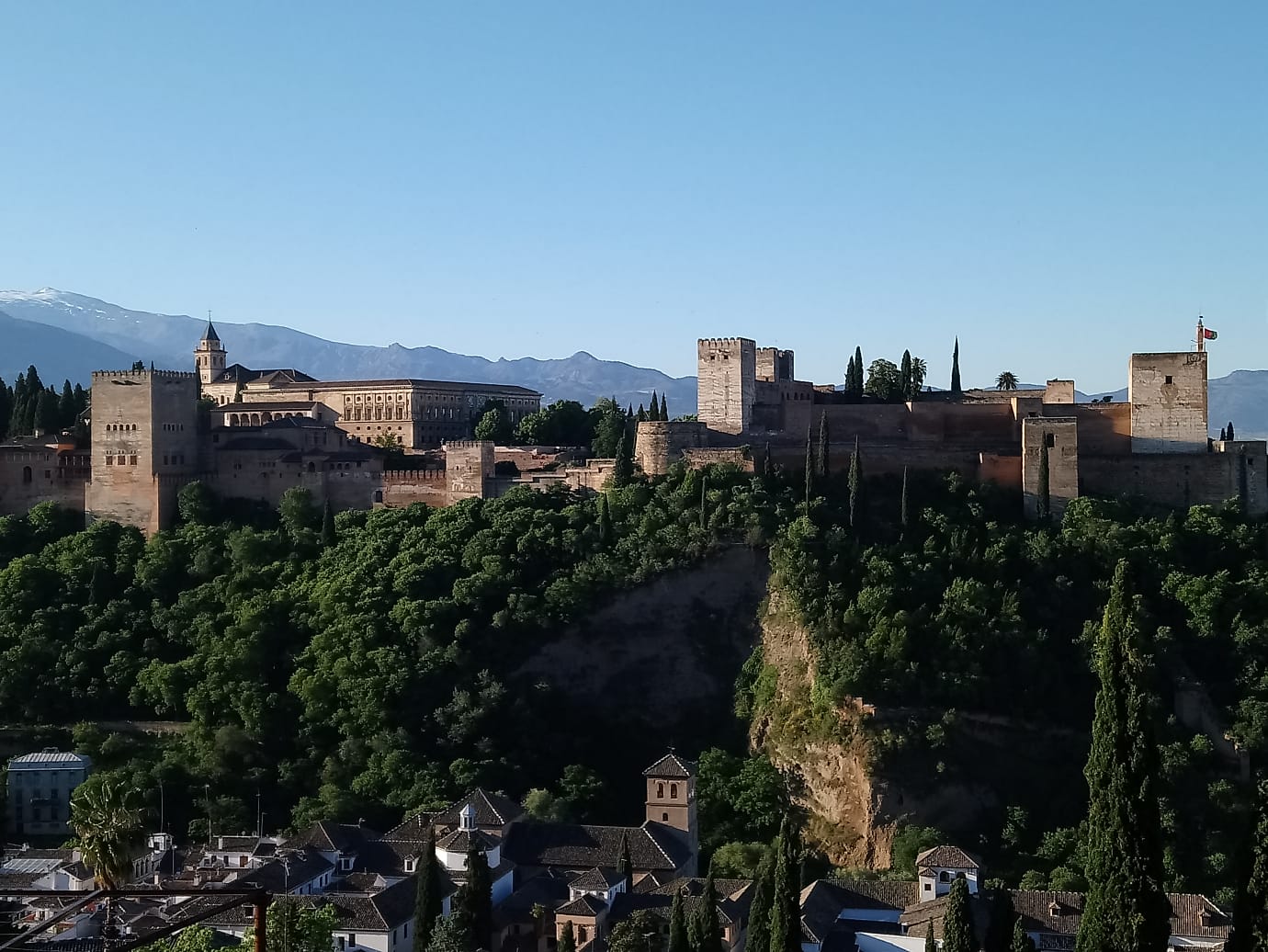
From 1238 to 1492, the Nasrid Kingdom of Granada held on as the last Muslim kingdom in the Iberian Peninsula. In spite of internal conflicts and frequent wars with its Christian neighbours to the north, it was a centre of learning and culture which produced some of the finest Islamic architecture anywhere in the world.
Starting and ending in Málaga, this 10-day circuit takes you to some of the key locations in the kingdom. In Antequera, you’ll visit the Alcazaba which guarded the frontier until 1410, when it finally fell to the Christians after a long siege. Next you’ll visit the kingdom’s capital Granada, which was one of Europe’s largest and most magnificent cities. The Alhambra is of course the highlight, but the city has lots of other heritage from that period. Continuing to the Alpujarra, you’ll explore the villages whose silk worms were the economic lifeblood of the kingdom, and where former Muslims took refuge after the Christian conquest. Your circuit ends in Málaga, the kingdom’s main port and industrial centre, famous for its golden ceramics.
Days 1-2 Antequera
Antequera long stood on the border between Christian Castile and the Muslim Kingdom of Granada. Spend the morning exploring its attractive historic centre overlooked by the Alcazaba and enjoying some fantastic views of the town and surrounding landscape. Our audio tour of Antequera tells the town’s story while guiding you around the main points of interest. In the afternoon, make sure you don’t miss the ancient dolmens – a UNESCO World Heritage Site.
On the first day, head straight to Antequera.
Day 1
Travel to Antequera
There are direct trains from Málaga to Antequera that take less than half an hour. When you book your ticket, make sure you choose Antequera station and not Antequera Santa Ana, which is some way outside the town.
The M-253 bus from Málaga bus station goes to Antequera bus station, which is conveniently located just outside the historic centre. It takes about 40 minutes and only costs a few euros.
If you’re driving, there are several routes you can take, but the quickest and most straightforward is the A-45 dual carriageway.
If you have time, come off the motorway at Casabermeja and take the MA-3404/A-7075 via Villanueva de la Concepción. It’s a lovely scenic route, which allows you to stop off at El Torcal just to the south of Antequera.
El Torcal
FREE
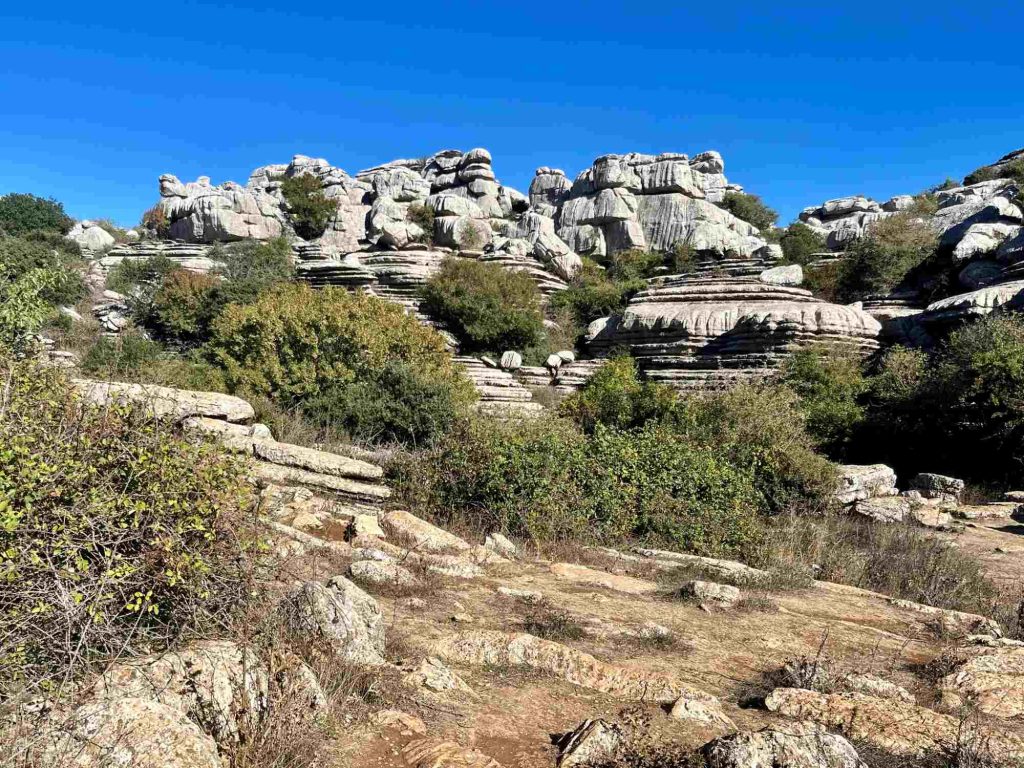
El Torcal is a dramatic landscape where erosion from rainwater filtering through the limestone has produced unusual formations with lots of caves. It’s where the first inhabitants of this area lived in prehistoric times.
You can do a short hike to see the remarkable karst rock formations and there’s a good visitor centre that explains the geological processes. The light around sunset is particularly beautiful.
Evening
Antequera takes pride in its food, and there are lots of great reastaurants. Local specialities include game meat and porra antequerana, which is a thick, tomato-based soup served cold sprinkled with ham and boiled egg.
Enjoy a tasty supper at Mesón Juan Manuel, Saborío del Hacebuche, or the slightly more upmarket Mar de Gloria.
Day 2
Morning
Historic Centre of Antequera
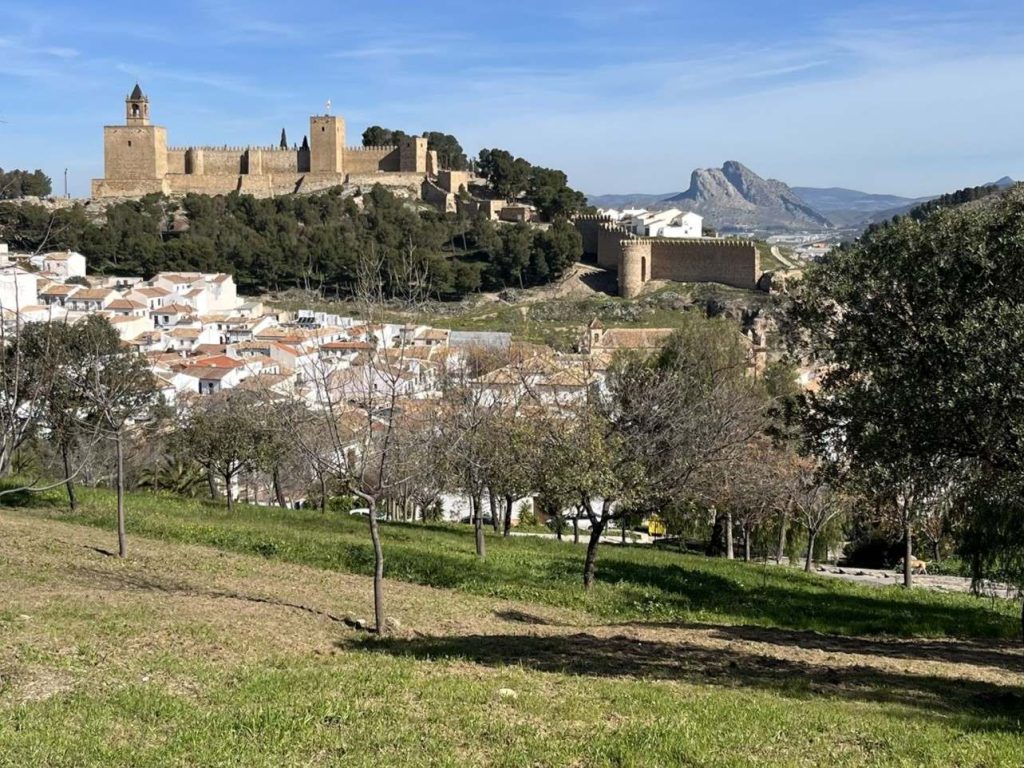
Explore Antequera’s attractive historic centre, including the town museum on Plaza Coso Viejo, which gives a useful introduction to the town’s history, covering the prehistoric, Roman, Muslim and Christian periods. The medieval Muslim town was perched on the top of the hill, and the Alcazaba, or citadel ($), has been lovingly restored. From the hill, you get fantastic views across to the striking Lovers’ Rock (Peña de los Enamorados) and the limestone formations of El Torcal.
Antequera has a huge number of churches and convents, with the Iglesia del Carmen ($) and the deconsecrated Real Colegiata de Santa María la Mayor ($) being particularly worth a visit.

Lunch
Tucked away on Calle Jesús, Bar El Reloj offers tapas with fabulous views across to the Alcazaba. There are also good options right in the town centre, including Loulou Bistró.
Antequera is also famous for its crumble cakes like polvorones and mantecados, traditionally made by the nuns in the town’s many convents. You can sample them in a café or patisserie, or even buy direct from a convent.
Afternoon
Dolmens of Antequera
FREE
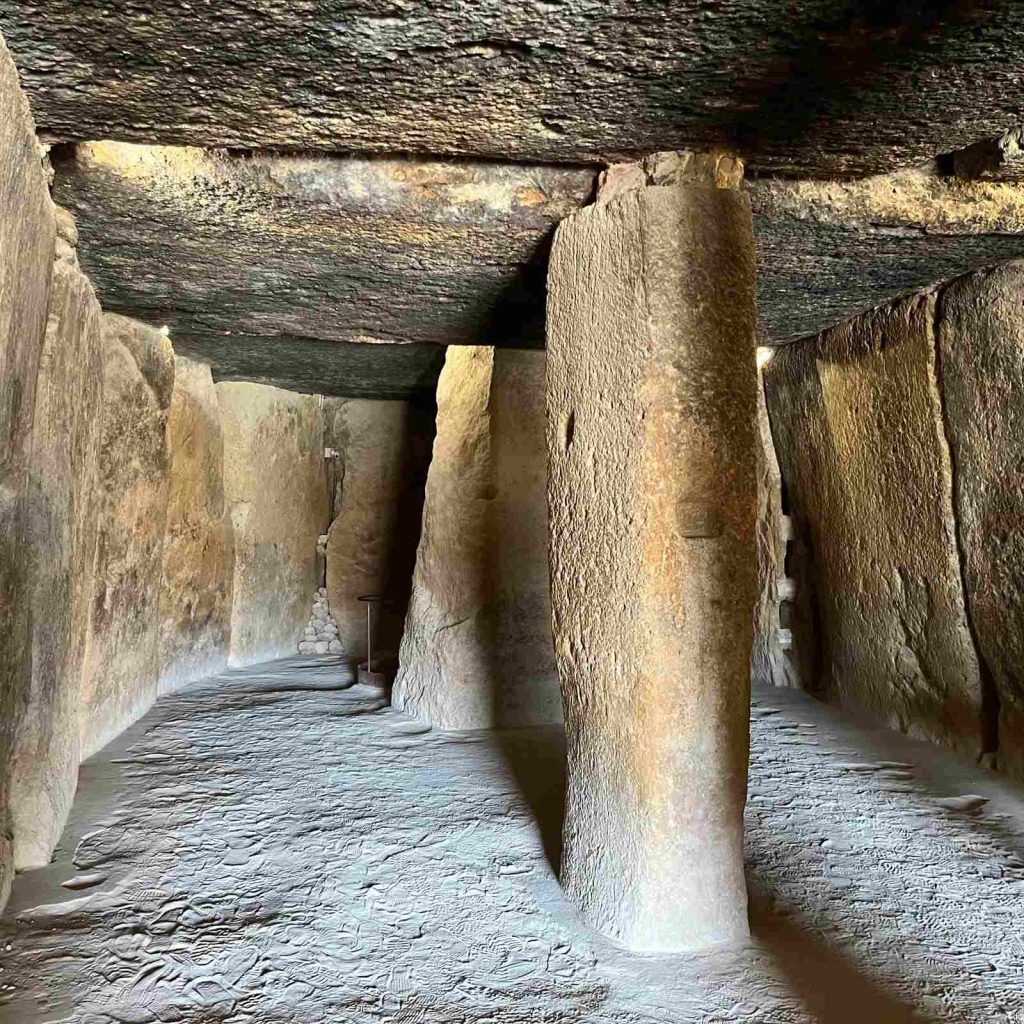
Antequera’s impressive dolmen site consists of three separate megalithic monuments, the oldest of which is almost 6,000 years old. In 2016 they were recognised as a UNESCO World Heritage Site thanks to their unique orientation towards two landforms: the Peña de los Enamorados and El Torcal.
The Menga and Viera dolmens are just a 20-minute walk (or a short taxi ride) from the town centre; if you’re travelling by car, there is a car park on site. The excellent interpretation centre gives the historical context for the dolmens and shows how they might have been built. It also explains their orientation, including their relationships with the sun. The Romeral tholos, which is slightly further from town, is best visited by car.
Evening
Try out another of Antequera’s restaurants – one of the ones mentioned earlier or the highly-regarded Mesón Adarve.
Days 3-5 Granada
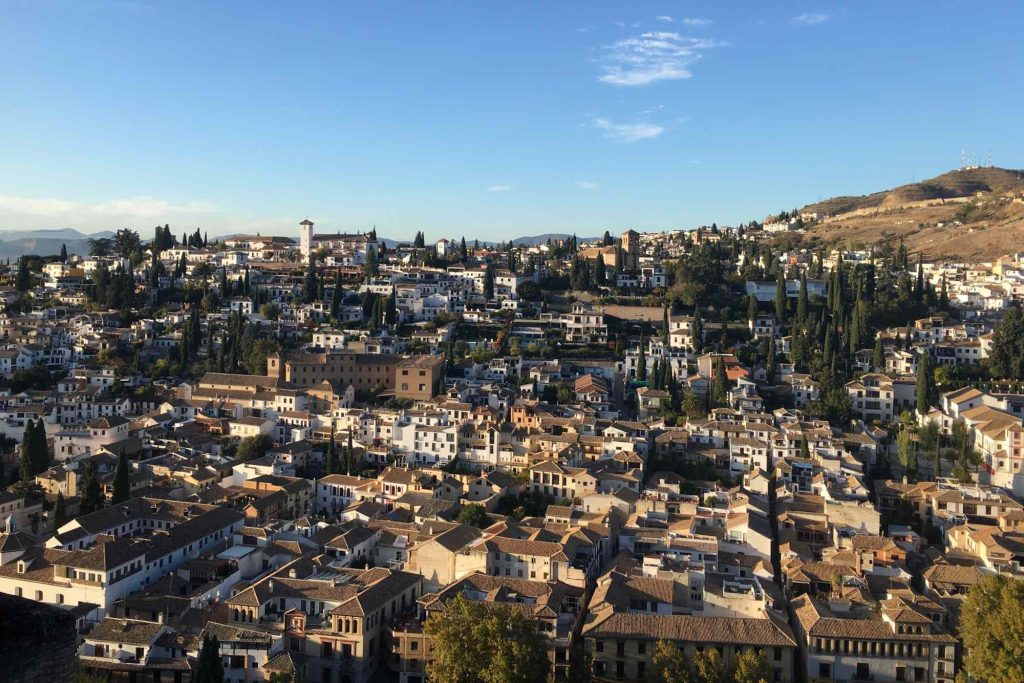
Once you arrive in Granada, we recommend starting in the oldest part of the Muslim city – the Upper Albaicín. Our Albaicín and Sacromonte audio tour weaves through medieval alleyways that open out onto panoramic views of the city and the Alhambra while we fill you in on the history of the Kingdom of Granada.
On the second day, concentrate on the pinnacle of Nasrid architecture – the Alhambra and Generalife. Then spend the third day exploring the Granada’s historic centre and the lower Albaicín. Our Enchanting Granada audio tour describes the conquest of Granada by the Catholic Monarchs and explains what happened to the city and its former Muslim inhabitants afterwards.
Day 3
Morning
Travel to Granada
The journey from Antequera to Granada takes 50 minutes by train. There are also buses, but some services are extremely slow.
If you’re driving, the only sensible route is by the A-92 dual carriageway. If you have time, the chapel and castle at Archidona is worth a detour, above all for its spectacular views. Another possible stop along the way is Loja – it also has an Alcazaba you can visit that houses the town museum.
Lunch
Find an al-fresco restaurant in a pretty square like Placeta de San Miguel Bajo or Plaza Larga.
Afternoon
Upper Albaicín
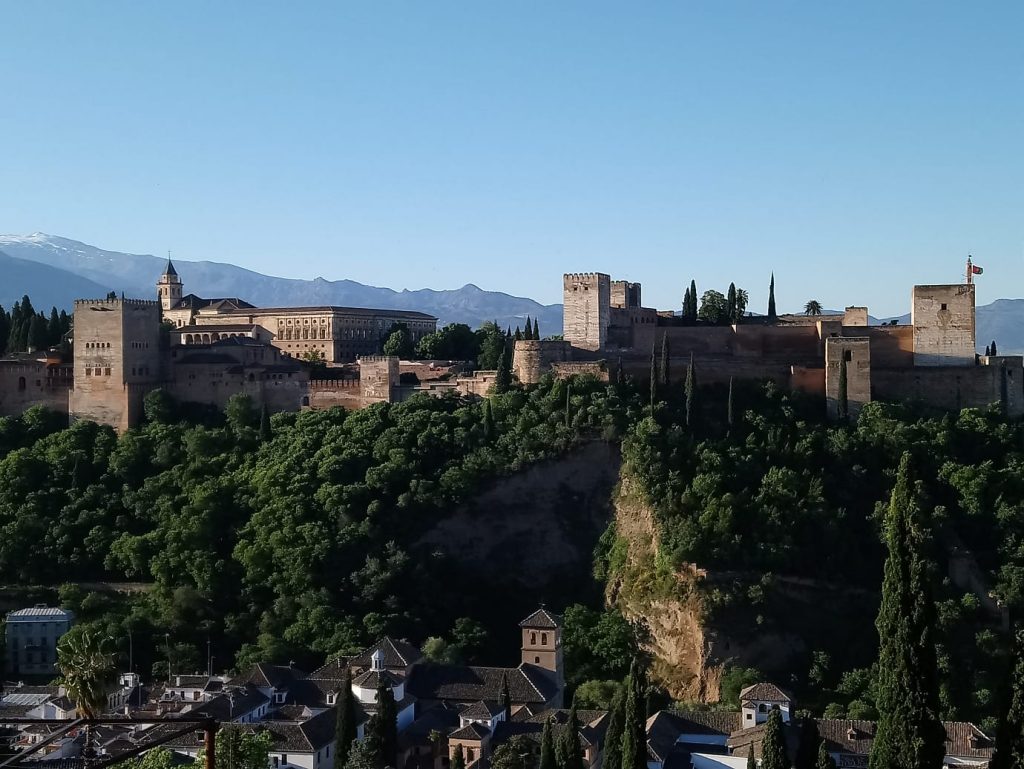
On the hill opposite the Alhambra lies the Albaicín, site of the original Moorish settlement. Enjoy losing your way amongst the charming, narrow alleyways and cobbled streets of this UNESCO World Heritage Site, whose street layout has barely changed since medieval times. The popular Mirador de San Nicolás offers fantastic views of the Alhambra, Generalife and the Sierra Nevada. Make sure you also visit Plaza Larga, the Carmen de los Geranios and the beautiful Palacio de Dar al-Horra ($).
Sacromonte
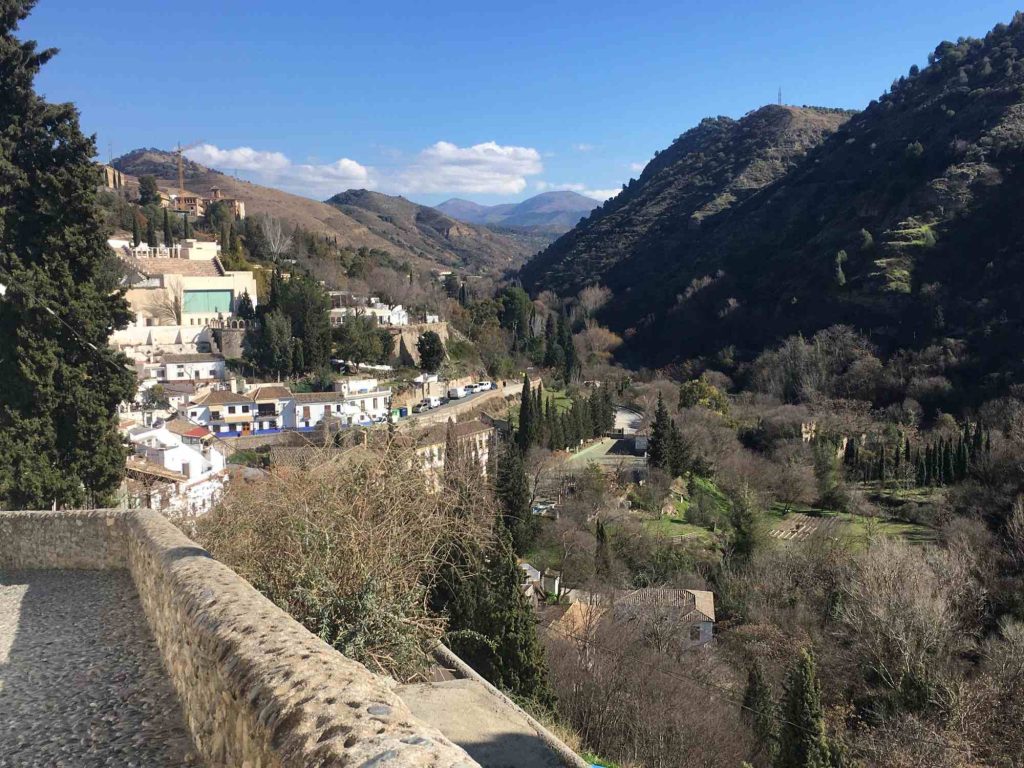
In Sacromonte, for centuries people have lived in cave houses dug out of the soft rock. The district lay just outside the historic city walls, which made it a haven for marginalised groups, including the Roma people. This is where flamenco developed in Granada, and it is still a great place to catch a flamenco show. It also offers spectacular views across the valley to the Alhambra.
If you would like to learn more about living in a cave house, you should visit the Sacromonte Caves Museum ($), and the Sacromonte Abbey ($) is also worth a visit.
Evening
If your budget allows, enjoy an unforgettable moonlight dinner with views of the Alhambra at a restaurant in a traditional Carmen.
If you want to see flamenco, you can catch a show in a Sacromonte cave or at Jardines de Zoraya in the Albaicín.
Day 4
Morning
Alhambra and Generalife
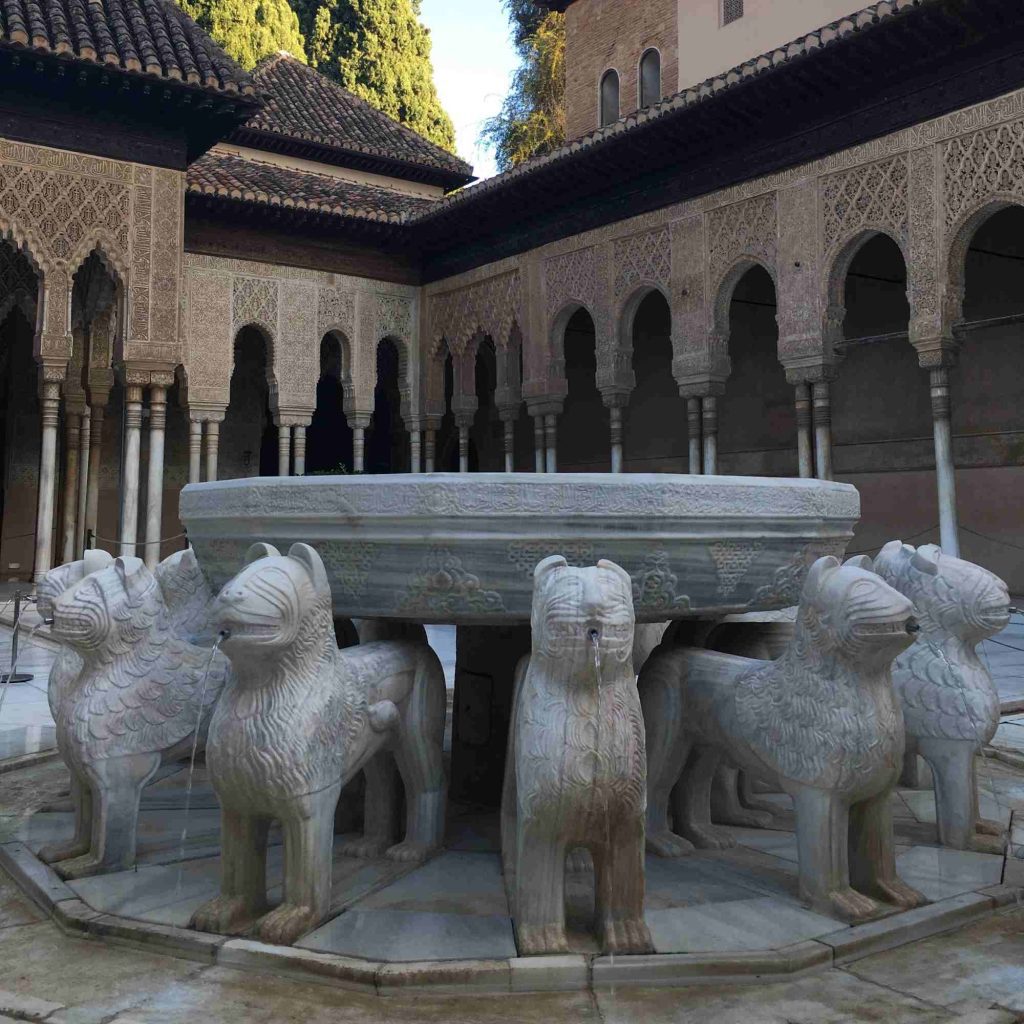
The spectacular Alhambra, or “red palace”, is one of the finest and best-preserved examples of historic Islamic architecture in the world. Set on a hill that dominates the modern city, its intricately ornate decoration, peaceful patios and delightful gardens are a must-see for any visitor to Granada.
Lunch
Near the Alhambra and set in a shady garden, Restaurante Jardines Alberto is reasonably priced with a decent range of dishes. The restaurant at the Parador has a lovely terrace overlooking the Generalife, but it’s a bit more pricey and service can be variable.
Afternoon
Carmen de los Mártires
FREE
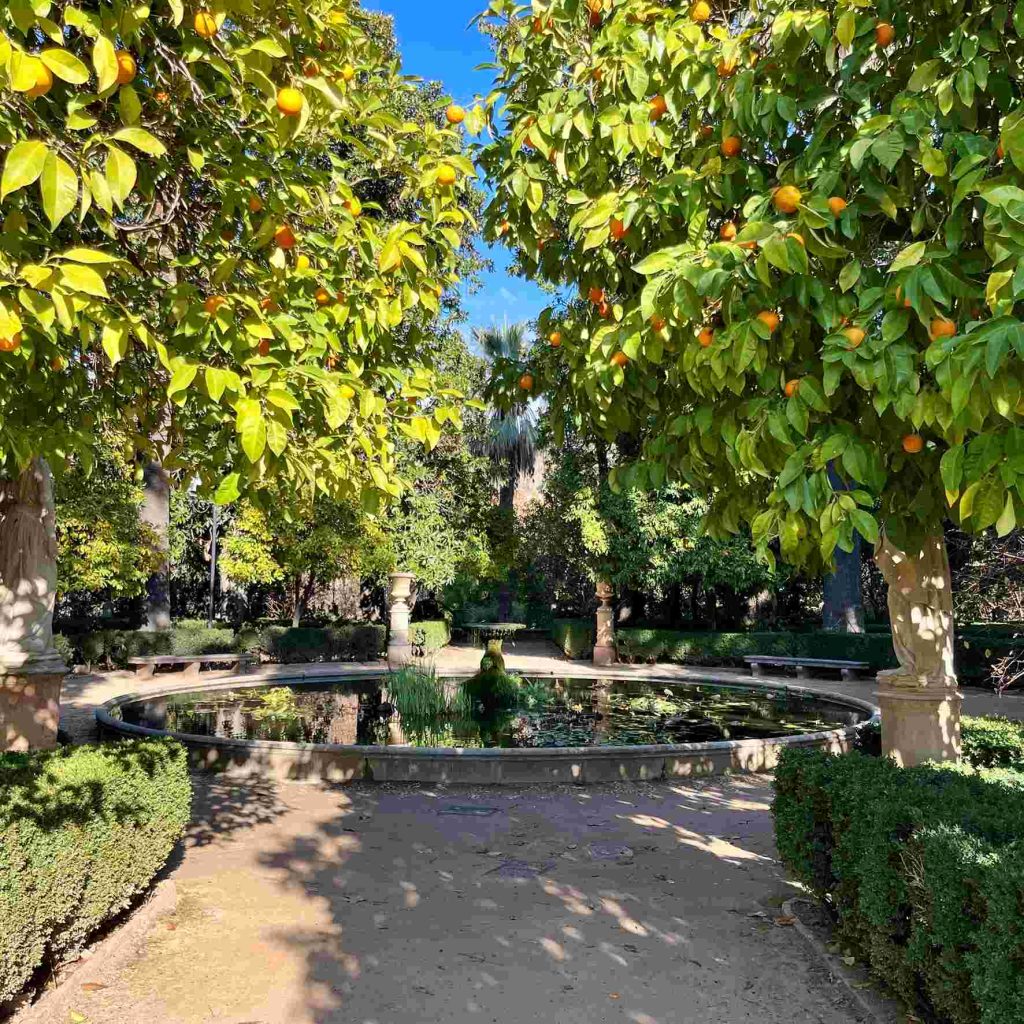
Few tourists make it to the Carmen de los Mártires gardens, although they’re only a stone’s throw away from the Alhambra. The attractive main building is surrounded by palm trees, an artificial cave and pergolas adorned with purple wisteria. Beyond that are a series of gardens, each in a different style: French, English, Spanish and so on. There’s a picturesque little pond with ducks and a folly, and you often see peacocks strolling around. The gardens offer splendid views of the city, Alhambra and Sierra Nevada mountains.
Evening
Tapas in Realejo
Go tapas bar-hopping in Realejo. Granada is famous across Spain for its “free” tapas culture, where a different tapa is served included with the price of each drink. The lively Realejo district is packed with tapas bars – check out El Conde, La Taberna del Kosmonauta, Casa de Vinos La Brujidera or Taberna Granados for tasty tapas and a good range of wines.
Day 5
Morning
Lower Albaicín
Soak up the atmosphere of the World Heritage-listed Albaicín district while you weave through the medieval alleyways created under the city’s Moorish rulers. Head up the picturesque Carrera del Darro to Paseo de los Tristes and return via the Mirador de los Carvajales for a great view of the Alhambra.
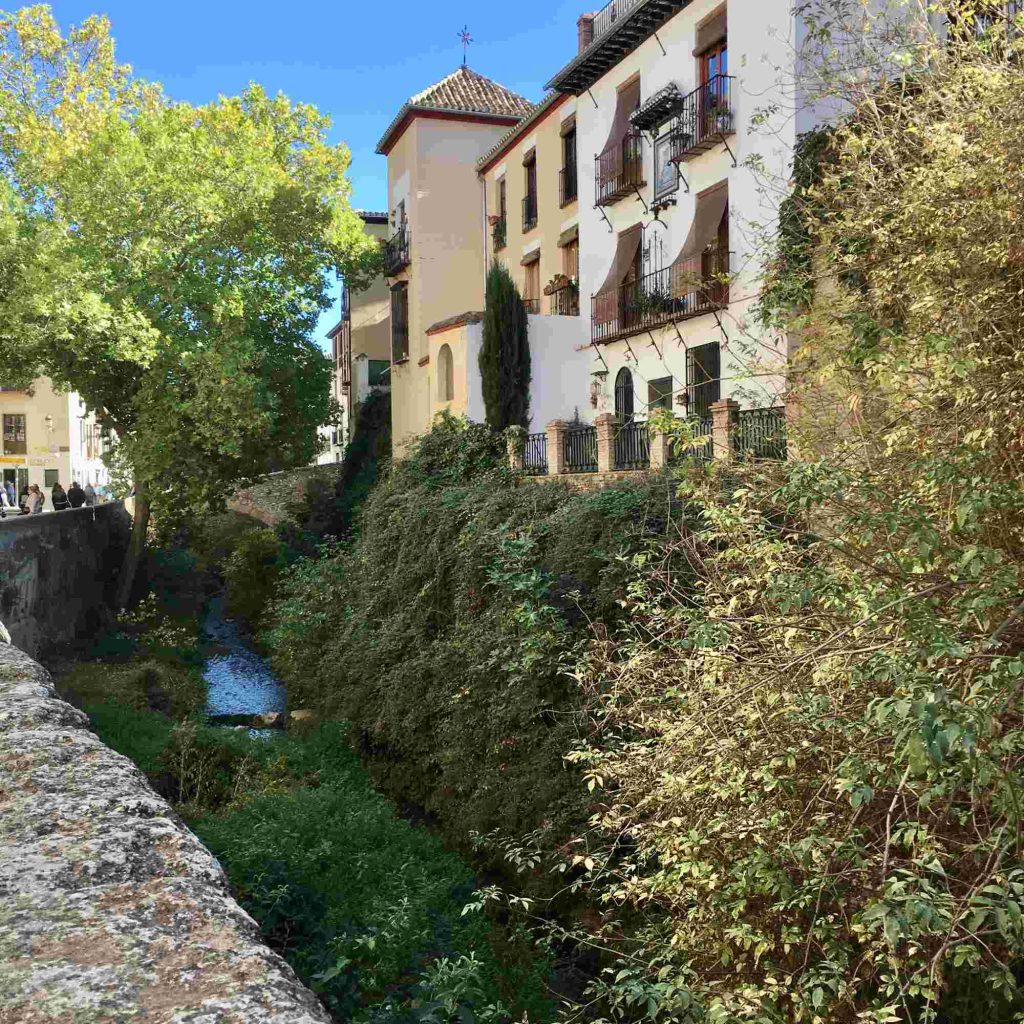
Nasrid Monuments
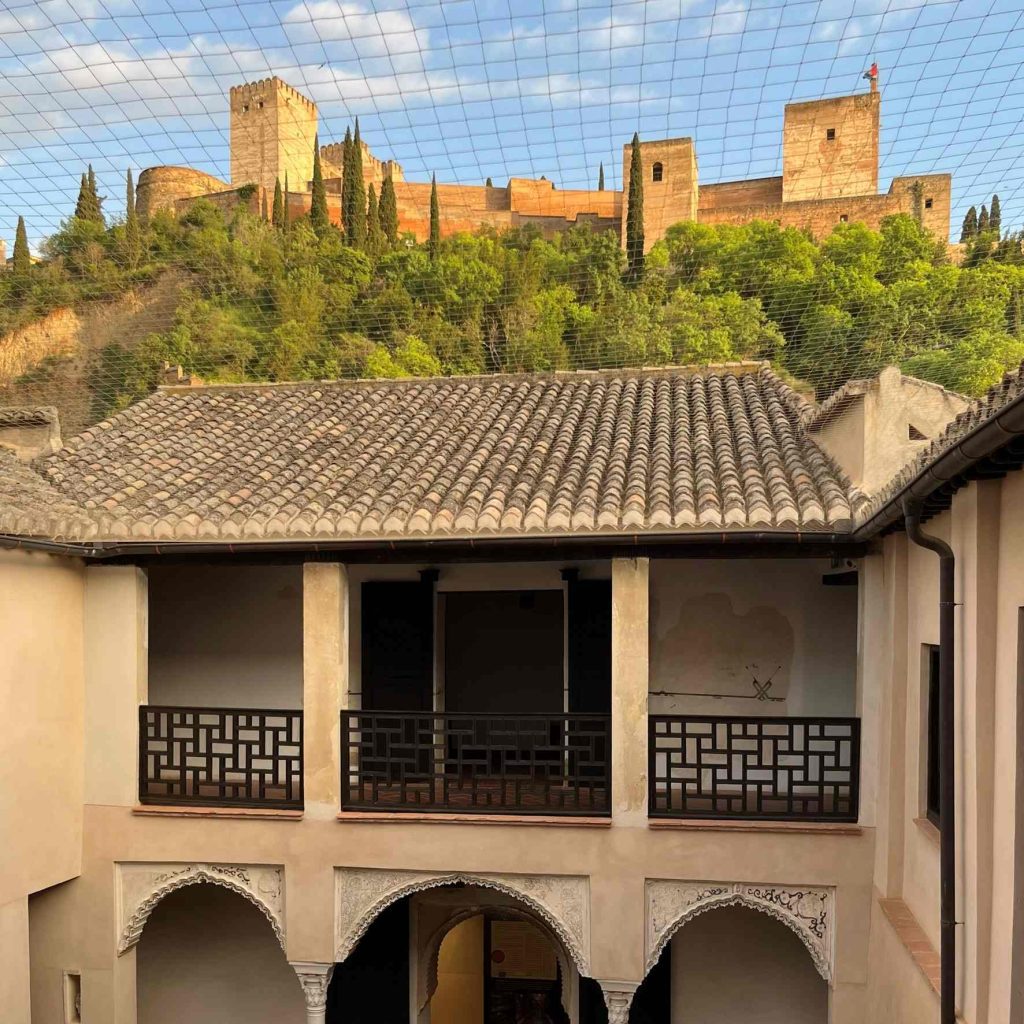
In the Lower Albaicín, there are several sights you can go into that date from the Nasrid period. El Bañuelo ($) – the Arab baths – is on Carrera del Darro. Just round the corner is the Maristán ($), built as a hospital by the Nasrid ruler Muhammad V, as well as the lovely Casa de Zafra ($) – a traditional house set around an internal patio. Casa Morisca ($) on Calle Horno del Oro is another house from the same period.
These sights cost a few euros each to visit and they are free on Sunday mornings.
Lunch
Sample tapas based on local produce at Granada’s central market, the Mercado San Agustín, or Taberna Palo Cortao opposite.
Afternoon
Granada’s Historical Centre
Explore Granada’s historical centre, which is home to the city’s Renaissance and Baroque masterpieces. Sights include Plaza Bib-Rambla, the Corral del Carbón, the Cathedral ($) and Royal Chapel ($), the Basilica of San Juan de Dios ($) and St. Jerome Monastery ($). Much of the centre is pedestrianised, and there are plenty of pleasant squares where you can stop for refreshment at a café or bar with a terrace.
Madraza
FREE
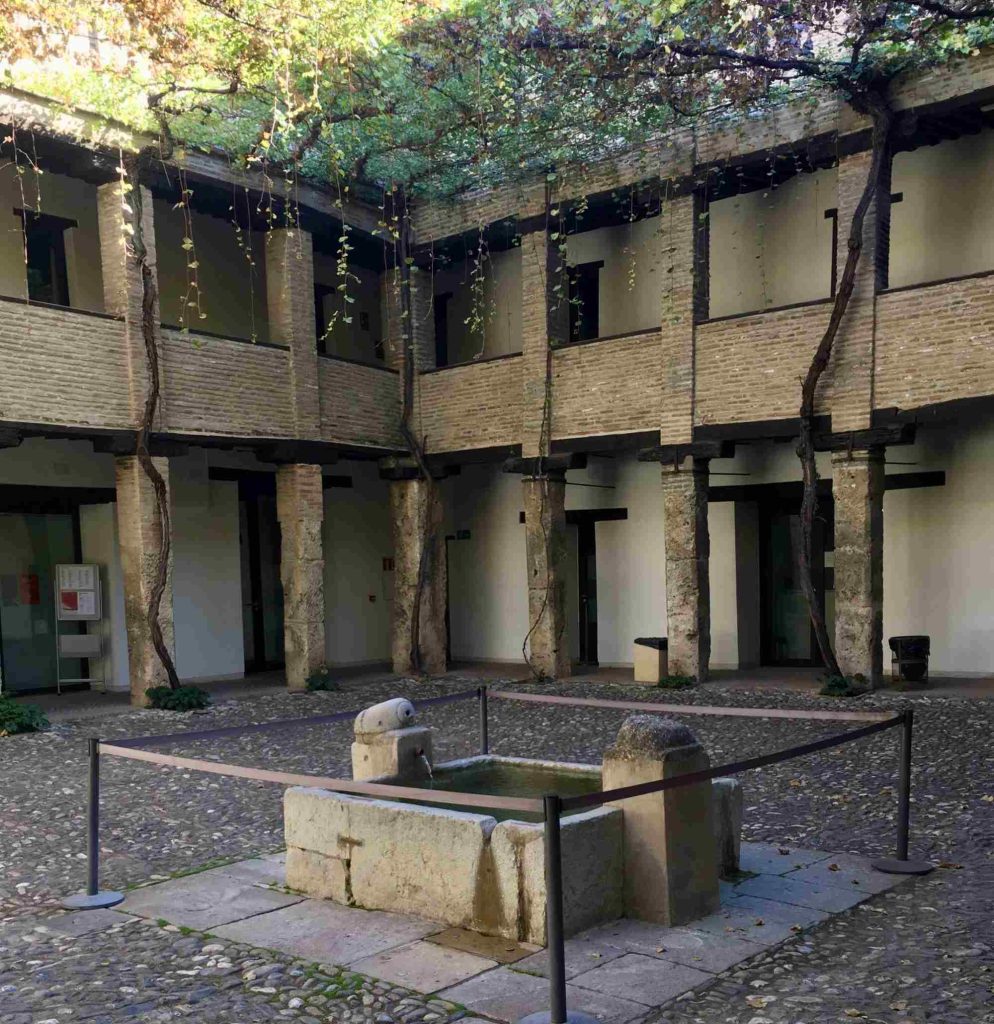
Opposite the Royal Chapel lies the Madraza, which was built by the Nasrid Dynasty in the 14th century as a madrasa or university. After the Christian conquest it became the city’s town hall. Very little of the original structure remains, but you can visit the mihrab, or prayer niche, which is decorated in a similar style to the Nasrid Palaces in the Alhambra. As the colours are much better preserved, it gives you an idea of what the Alhambra once looked like.
Evening
Although Granada is around 75 km from the Mediterranean, fish and seafood are very popular. One of the classic seafood restaurants in Granada is Restaurante Bar Oliver in Plaza de la Pescadería, and just around the corner in Calle Marqués de Gerona is El Pescaíto de Cármela.
Day 6 Realejo and Alpujarra
Before you leave Granada, it’s worth looking around the Realejo district – once the city’s Jewish quarter. It’s also where the Muslims from Antequera settled after their town fell to the Christians almost 100 years earlier.
In the afternoon, head to the Alpujarra on the southern side of the Sierra Nevada mountains. On the way, look out for the Suspiro del Moro pass – the place where the last Muslim king Boabdil paused to look back at Granada one last time.
Morning
Realejo
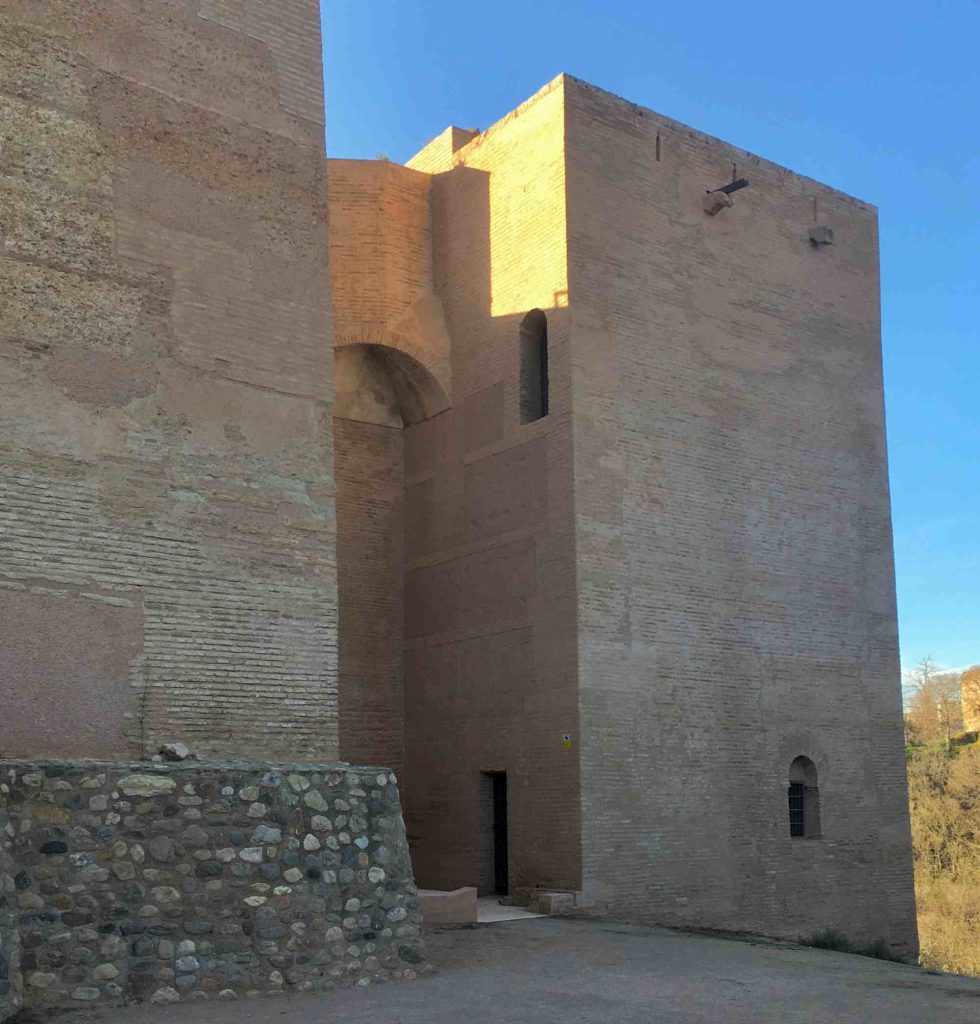
Historically, Realejo was Granada’s Jewish quarter, but these days remnants of the city’s Muslim and Jewish legacy are intermingled with Christian churches and Renaissance palaces. There are no must-see attractions, but sights worth a visit include the Cuarto Real de Santo Domingo ($), Torres Bermejas, Fundación Rodríguez-Acosta ($), Casa de los Tiros and Campo de Principe. The district’s pleasant squares are also great places to linger over a coffee.
Lunch
Grab a last lunch in one of Realejo’s excellent bars before saying goodbye to Granada.
Afternoon
Travel to Capileira
There are 3 buses a day from Granada bus station to Capileira (2 ½ hours).
If driving, allow 1 ¾ hours to get to Capileira. The quickest route is to take the A44 dual carriageway and then the A348 via Lanjarón. The Lanjarón road is being upgraded, so it’s possible that at times you’ll need to take a detour via Órgiva due to roadworks.
Evening
Capileira has several excellent, good value restaurants. Try El Corral del Castaño, which has a superb menu, tables out on the village square and cosy traditional dining rooms. For something different, El Jardín de los Sabores offers both traditional Alpujarran staples and Indian food.
Day 7: Alpujarra
Visit Pampaneira and Capileira, two beautiful white villages in the Poqueira gorge that were established by Berbers from North Africa who arrived with the conquering Muslim forces in the 700s. Hundreds of years later, they gave refuge to former Muslim inhabitants of Granada evading the control of their Christian rulers and were the scene of battles during the Rebellion of the Alpujarra in the 1500s.
Aim to see Capileira in the morning and get to Pampaneira in time for lunch. Remember, if you’re travelling by public transport you need to get down to Órgiva at the end of the day.
Morning
Capileira
Capileira, which clings to the hillside at the top of the Poqueira gorge, is a base for hikers and nature-lovers. Spend the rest of the afternoon exploring its narrow alleys and viewpoints.

Travel between Pampaneira, Capileira and Órgiva
There are 3 buses a day between Pampaneira and Capileira (20 minutes). They are the same buses that come up from Granada and also serve Órgiva. From Capileira down to Órgiva takes about a hour.
If driving, it’s only about 10 minutes between Pampaneira and Capileira.
It’s also possible to walk between Pampaneira and Capileira as it’s only about 3 km, albeit very steep, so you may want to walk down and catch a bus back up.
Lunch
The Alpujarra is known for its hearty mountain cuisine, including pork, sausages, cured meats and cheeses. In Pampaneira there are several restaurants, but our favourite is probably Ruta de Mulhacén, with its terrace overlooking the village and the gorge.
Afternoon
Pampaneira
The first village in the dramatic Poqueira Gorge is Pampaneira, a popular stop for its picturesque streets and alleyways, local crafts and mountain food. Enjoy the atmosphere and views, see a lavadero where villagers would do their laundry, and visit a weaving workshop with a traditional loom that uses flying shuttles.

Evening
Enjoy another tasty supper at one of Capileira’s bars and restaurants, or for something more formal try Gloria Restaurante at the Hotel Finca los Llanos.
Órgiva also has a range of restaurants, including Tetería Baraka, which serves Halal food including tajines and vegetable couscous, as well as an extensive menu of teas.
If you have time…
Our itinerary is about to move on from the Alpujarra, but if you’re into hiking it’s really worth staying longer. Here are a few ideas if you want to do that.
Hiking
It would be a shame to visit the Alpujarra without going hiking! On our sister website TrekSierraNevada, we have a wealth of information about hiking in the Sierra Nevada, including self-guided routes with downloadable pdf instruction sheets and GPS tracks. Here are some of our top recommendations for a day’s hiking:
Day 8: Mediterranean coast
Control of the coast was strategically very important for the Kingdom of Granada, which often relied on back-up by sea from the Muslim kingdoms in North Africa. Almuñecar was the port of entry for Abd al-Rahman I, who founded the Independent Emirate of Córdoba, and the port of departure for the last Muslim king Boabdil.
The Muslims also introduced sugar cane, and it provided an important source of income that allowed the coastal settlements to prosper. When they were forced to surrender their remaining coastal territories in 1489, it marked the beginning of the end for the Nasrid kingdom.
Spend the day exploring the stretch of coast between Motril and Málaga.
Morning and afternoon
Travel to Málaga
From Órgiva you can get an early morning bus to Motril, where you’ll need to change bus. Órgiva – Motril takes 1 hour and Motril – Málaga 2-3 hours, depending on the service. Most of the buses make several stops along the way, so you’ll get a feel for the coastal towns.
If you’re driving, the best route is to go through Órgiva and then take the A-346. Either join the A-44 dual carriageway or keep on the A-346 to skirt around the bottom of the Rules reservoir and connect with the A323a. This is the more scenic option, as you go along the Guadalfeo River valley, passing through a deep gorge near the bottom of it.
Once you hit the coast, we recommend taking the old coast road (N-340) rather than the new dual carriageway (A-7). It offers some great views of the shimmering Mediterranean, and it isn’t too busy unless you’re visiting in the high summer season.
Mediterranean coast
There are several stops you can make along the coast. Motril is mainly known for its port and beaches, but the Preindustrial Sugar Cane Museum ($) has interesting exhibits about the sugar cane industry in the Kingdom of Granada and during the early part of Christian rule.
Almuñecar and Salobreña both have small old towns with Muslim-era castles ($). Salobreña’s castle is perched on a rocky outcrop, so you can see it from the road even if you don’t stop. You’ll also pass several atalyas – watch towers – some of which date back to the Muslim era.
If you’re keen on white villages, Frigiliana is a short detour inland from Nerja and retains the street plan from the medieval Muslim settlement.
Salobreña
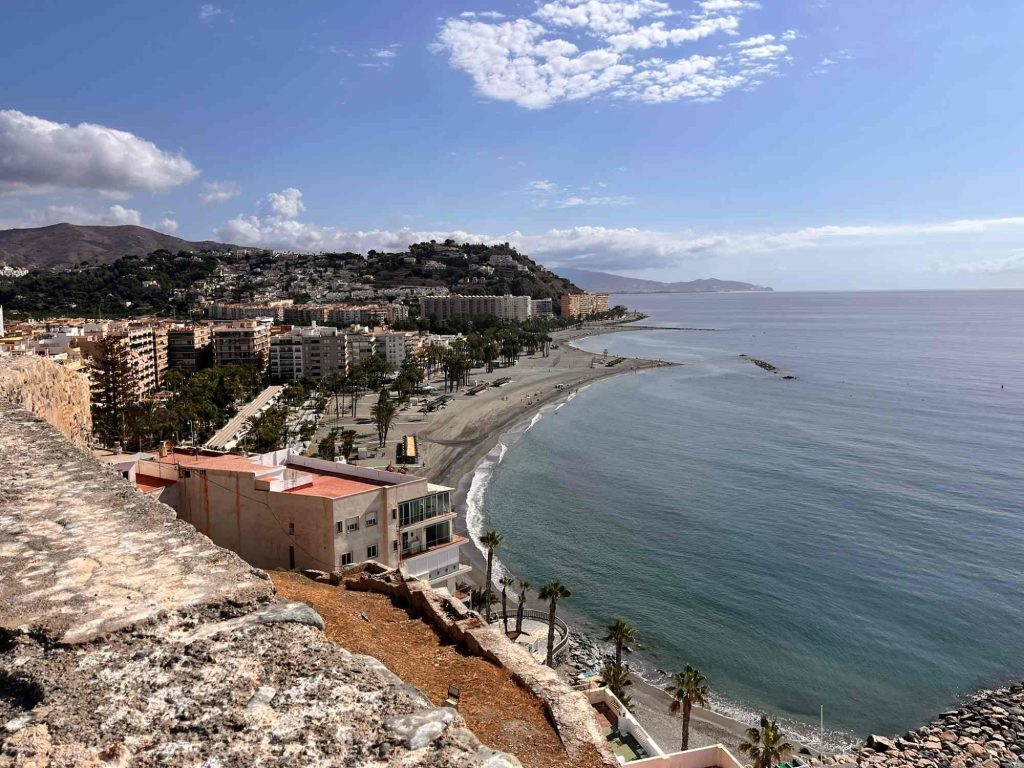
These days, Salobreña is a low-key beach resort, but it first developed into a sizeable town under Nasrid rule, fuelled by the sugar industry. The narrow streets around the castle keep the feel of the medieval town, even if they’re surrounded by much newer buildings.
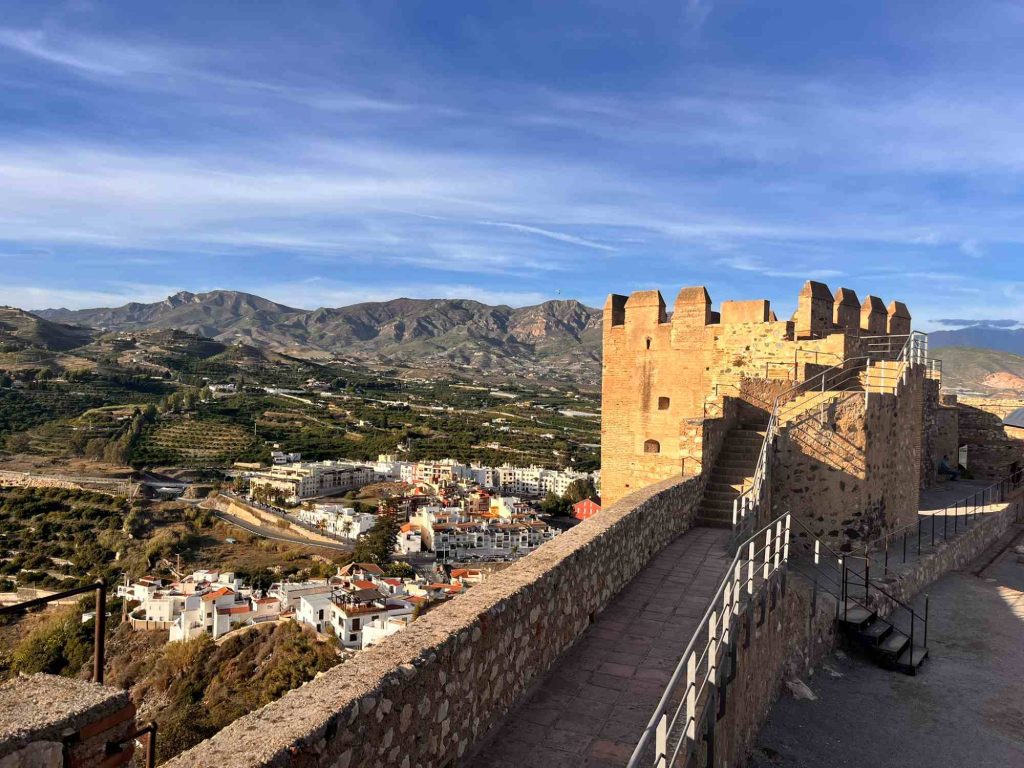
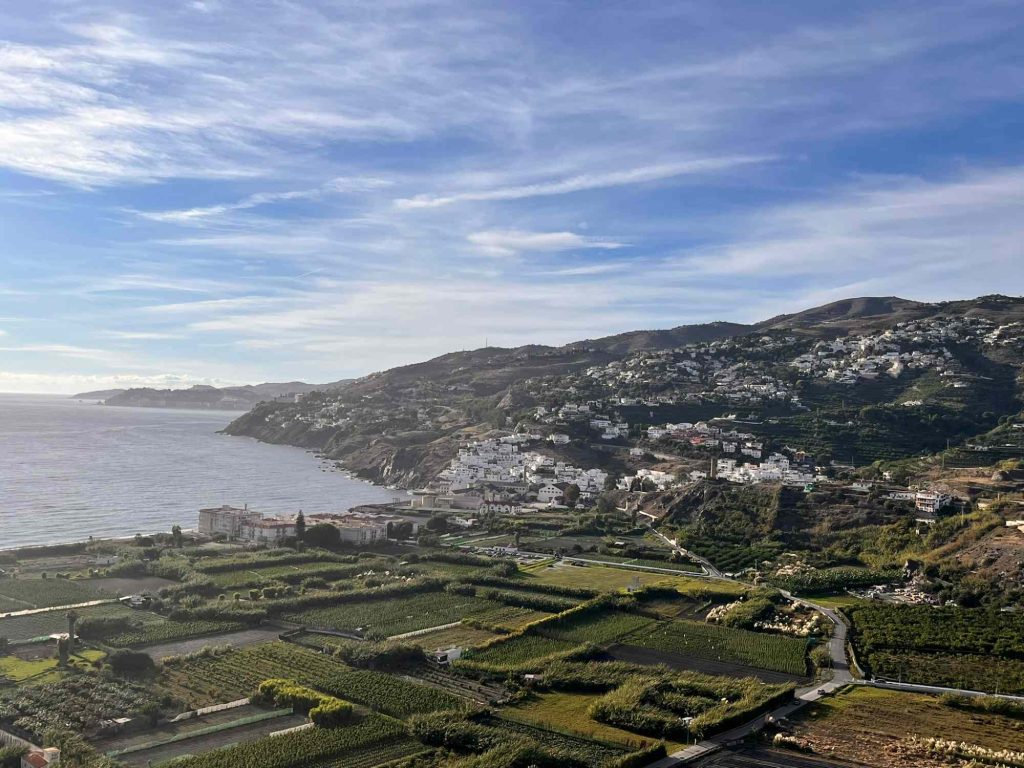
Salobreña castle ($) is well worth a visit, above all for the spectacular views along the coast and inland to the Sierra Nevada mountains, visible through a gap in the coastal ranges. It’s recently been restored, and it’s a good example of a Muslim medieval fortress – adapted over the years to meet changing demands under Christian rule.
There’s very limited parking on the hill, and the roads are narrow, so it’s much easier to park at the bottom if you don’t mind a steep climb up. If the castle isn’t open, you can also get great views from the Paseo de las Flores just below it and from various other viewpoints.
Lunch
All of the towns along the coast have chiringuitos – beach restaurants – where you can stop for a freshly-caught fish lunch. Usually the prices are cheaper a bit back from the coast though.
Evening
Mix with the great and the good in the iconic bar El Pimpi or get tapas in a traditional bar like Bodegas Tranca.
Days 9-10: Málaga
Málaga became the principal port of the Kingdom of Granada under the Nasrid Dynasty. Málaga’s Muslim past can be seen most clearly in the Alcazaba and Gibralfaro that loom above the port. During the Nasrid dynasty it was an important producer of ceramics, and you can see some lovely examples of the fine craftsmanship in the Museum of Málaga. Other traces to look out for are the Atarazana Market whose main gateway was once the entrance to the Nasrid shipyards, as well as parts of the old city wall beside Calle Carretería.
Málaga has a wealth of other museums and sights, including the Picasso Museum. Have a look at our 3-night Málaga itinerary for more ideas of things to do.
Day 9
Morning
Málaga’s Muslim heritage
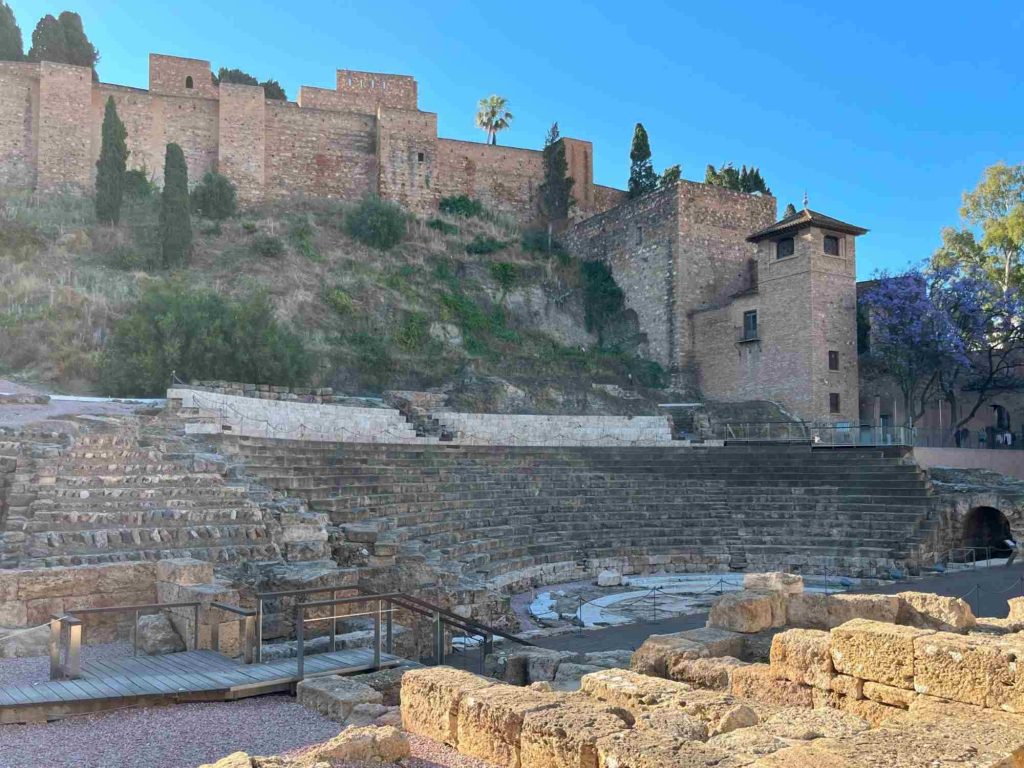
Visit the Alcazaba and Gibralfaro for a taste of the period from 711 until 1487 when Málaga was under Muslim rule. Once the citadel where the city’s elite lived, the Alcazaba has many beautifully decorated rooms and courtyards.
On the hill above the Alcazaba, the Gibralfaro fortress offers unrivalled views of the city from its impressive ramparts. In the old gunpowder magazine, there is an interpretation centre which tells the story of the castle.
Lunch
Grab a casual lunch at the Atarazanas market or at one of the many bars and restaurants in the surrounding streets, including Málaga’s oldest bar, the Antigua Casa de Guardia.
Afternoon
Museum of Málaga
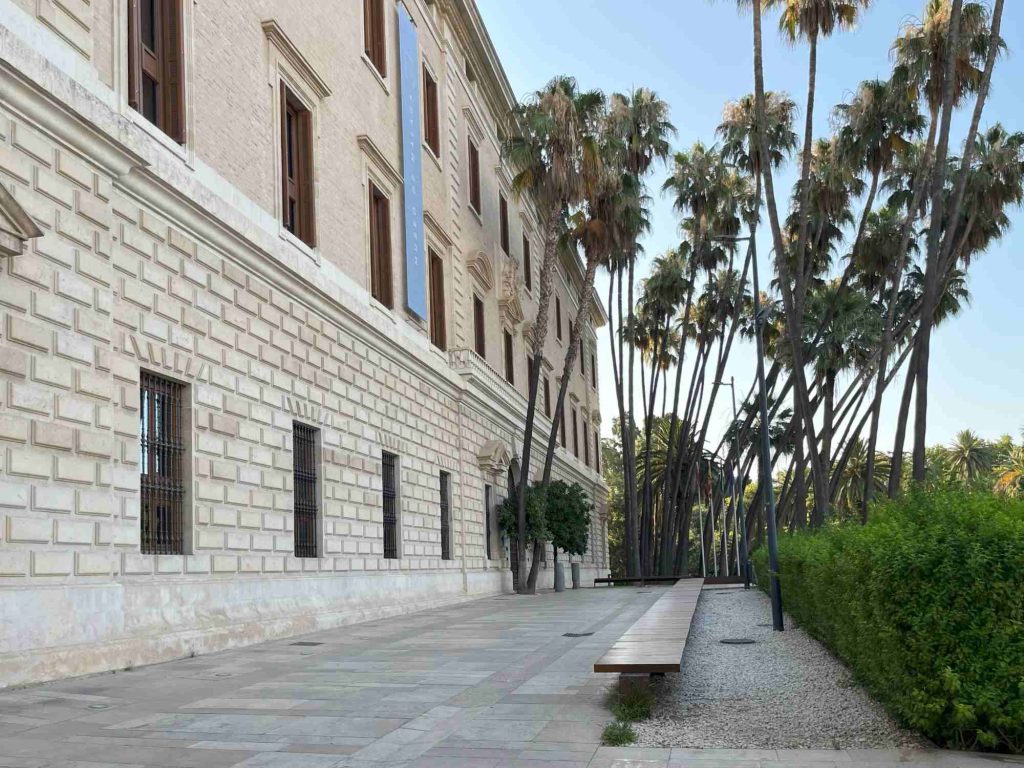
The excellent Museum of Málaga houses the city’s collections of archaeology and art. It includes a section about the Muslim period when Málaga was part of the Kingdom of Granada. There are some beautiful pieces of Nasrid pottery on display.
Evening
Several of Málaga’s hotels have rooftop bars or restaurants. For example, La Terraza de la Alcazaba is a good choice for a sundowner with views of the Alcazaba and the city’s skyline.
There are restaurants for all tastes and budgets in Málaga, including some with Michelin stars. If you have your heart set on a particular one, be sure to reserve a table in advance.
Day 10
On your last morning in Málaga, visit another museum or take a stroll around the port and La Malagueta beach.
Related audio tours
Save money with a tour bundle
Included audio tours:
- The Albaicín and Sacromonte’s Iconic Sights: A Granada Walking Tour
- Textiles and Tinaos: A Tour of Pampaneira
- Captivating Capileira: From Rebel Stronghold to Hiking Haven
Questions and answers
The Nasrid Kingdom of Granada was a Muslim kingdom (or sultanate) that existed from 1238 to 1492, when the Christians had already conquered much of what is now Spain. The Kingdom of Granada roughly covered the modern-day provinces of Granada, Almería and Málaga.
The standout example of Nasrid architecture is the Alhambra and Generalife in Granada – a UNESCO World Heritage Site. In Granada, other buildings that date from the same period include the Palacio de Dar Al-Horra, the Corral del Carbón, the Cuarto Real de Santo Domingo and the Madraza.
In Málaga, most of what remains of the Alcazaba and Gibralfaro date from the Nasrid period, and the gate to the Atarazanas market was once the gate to the Nasrid shipyards.
The Alcazaba in Antequera was begun in the 10th century, but the Nasrid dynasty of Granada improved its defences during the 14th century.
The villages of the Alpujarra played a key role in the silk industry that provided the basis for the Nasrid Kingdom’s wealth. Their distinctive architecture and traditions still evoke their Muslim past.
Yes, the castles at Salobreña and Almuñecar were reinforced and modernized during the Nasrid period, as it was vital for the kingdom to protect its ports and its commerce with North Africa and the Mediterranean.