
Seville
5 nights / 6 days
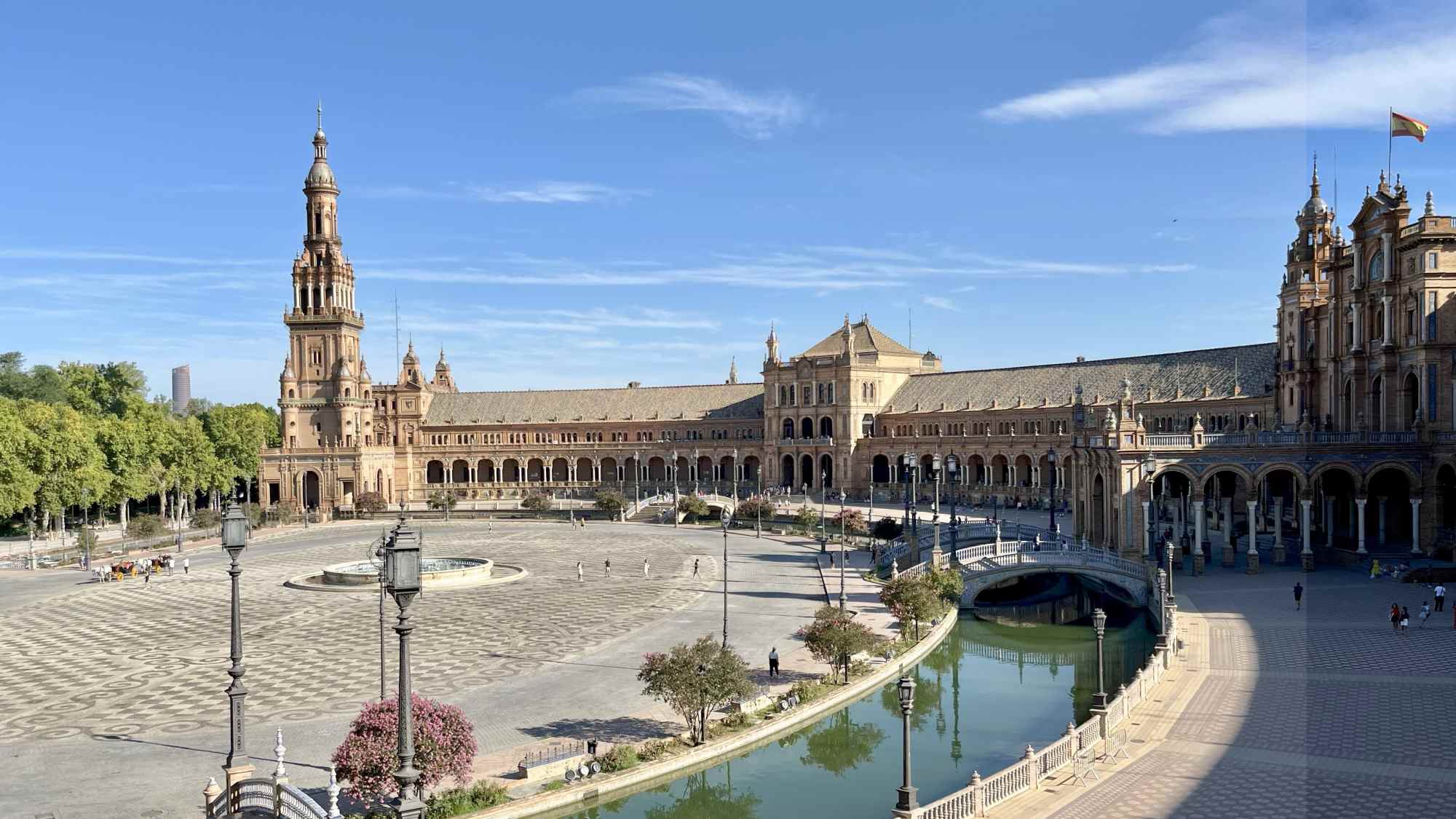
Seville has a long and proud history, and as the capital of the region of Andalucía it is still one of Spain’s most important cities. Its period of greatest splendour was in Spain’s Golden Age in the 16th and 17th centuries, when it held the monopoly on trade with the colonies in the Americas. The wealth generated by its treasure fleets funded the city’s opulent Renaissance and Baroque mansions, churches and works of art. The links with the Americas are also ingrained in the much-photographed Plaza de España, built for the 1929 Ibero-American Exhibition.
This itinerary takes in the key sights while also stepping away from the tourist magnets into Seville’s most colourful and bustling neighbourhoods. We’ve reserved a day for a day-trip to Córdoba, which is only 40 minutes away by high-speed train. Alternatively, Carmona, Itálica and Jerez de la Frontera also make good day trips.
Day 1
Start your stay in Seville at the Plaza de España. Just enjoy the views of this remarkable building, or download our Plaza de España audio tour to find out more about the history of the Plaza and what each of its elaborately tiled benches represents. Then spend your first evening in the atmospheric old Jewish quarter of Santa Cruz.
Plaza de España
The Plaza de España is one of Spain’s most iconic sights. It was built for the Ibero-American Exposition of 1929, which celebrated the historic links between the Iberian Peninsula – Spain and Portugal – and the Americas. The ornately tiled panels – one for each Spanish province – chart key moments in Spain’s history.
The Plaza de España is set in the María Luisa park, which is home to several other sights. These include the Museum of Arts and Customs ($), housed in a beautiful neo-Mudéjar pavilion also built for the Expo.


Evening
Santa Cruz
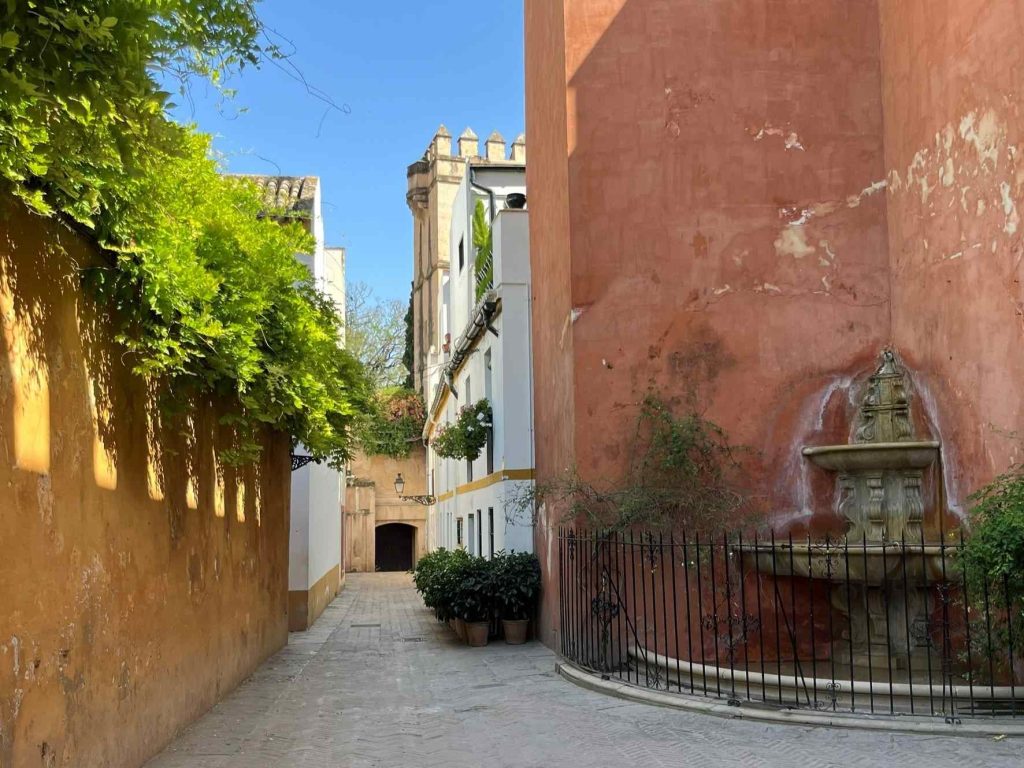
Lose yourself in the labyrinthine web of streets in the former Jewish quarter of Seville. Although these days the district is packed with souvenir shops, you can still enjoy some traditional tapas in an atmospheric bar or charming square.
Bear in mind that service can be a bit hit or miss, and it’s often hard to find space in local institutions like Bodega Santa Cruz, known locally as “Las Columnas” and Casa Román. Other bars to try include Taberna Álvaro Peregil and El Librero.
Restaurante San Marco Santa Cruz housed in some 12th century Arab baths offers a good range of Spanish and Italian dishes. Another bar where you can see the remains of old Arab baths is Cervecería Giralda Bar – they were discovered in conjunction with renovations carried out during the pandemic.
Day 2
Explore Seville’s historic centre including the Cathedral and Archive of the Indies. Make sure to take a stroll along the Guadalquivir River past the Torre de Oro towards the Triana bridge. Our Gateway to the Americas VoiceMap audio tour will guide you around this part of the city while explaining how Seville was transformed in the Golden Age of the 15 and 1600s.
Morning
Seville’s historic centre
Dominated by the cathedral ($) and the Royal Alcázar ($), Seville’s historic centre is also home to a number of other interesting sights. These include the impressive City Hall, the Archives of the Indies, the bull ring ($), the Hospital de la Caridad ($) and its attached chapel with stunning paintings by Murillo.
Many of the finest buildings date from Seville’s Golden Age in the 16th and 17th centuries, when gold and silver from the Americas funded the construction of churches, convents and mansions in the Renaissance and Baroque styles.

Along the Guadalquivir
The east bank of the Guadalquivir, which is now just a peaceful side-branch from the main river, has been turned into a pleasant promenade. Sights in this area include the twelve-sided Torre de Oro, which in Muslim times formed part of the city’s defences, and a replica of the Nao Victoria, the boat which completed the first circumnavigation of the Earth. You also get great views across to Triana, the lively neighbourhood on the other side of the river.

Lunch
You can enjoy anything from traditional Andalucian fare to modern fusion cuisine at one of the many bars and restaurants in the city centre. For better value and a more authentic experience, avoid the area right by the cathedral and head into the side streets. And it’s always worth checking the latest reviews before sitting down!
Afternoon
Seville Cathedral
Seville’s massive cathedral was built in the 15th century on the site of the city’s former main mosque. Its bell tower – the famous Giralda – and the Orange Tree Courtyard still serve as reminders of that Islamic past. Although it was originally conceived in the Gothic style, later additions mean that the building we see today combines Islamic, Gothic, Renaissance and Baroque elements.
The cathedral also houses an impressive art collection, as well as the tombs of notable figures including Ferdinand III of Castile and Christiopher Columbus. For a completely different perspective on the building and its surroundings, you can do a rooftop tour of the cathedral.
Evening

Glide along the Guadalquivir on a sunset river cruise.
Day 3
Start the day at the Royal Alcázar – you probably want to allow at least a couple of hours to explore all of the palaces and gardens. Then head across the River Guadalquivir into Triana – home to sailors, pottery workers, bullfighters and flamenco. Our Triana audio tour shows you round the neighbourhood while explaining its roots and distinctive culture.
Morning
Real Alcázar of Seville (Royal Alcázar)
Seville’s Royal Alcázar is really two separate palaces set in beautiful gardens. The rather austere Gothic palace dates from Alfonso X’s reign in the late 13th century, while Pedro I’s Mudejar palace is a harmonious blend of Muslim, Christian and Jewish influences. If at first glance it resembles the Nasrid Palaces in the Alhambra, that’s no coincidence – they were both built in the 14th century, and Pedro had a good relationship with Muhammad V, the Muslim ruler of Granada.
Lunch

The atmospheric Mercado de Triana has numerous tapas bars among the market stalls selling fresh produce, so it’s a great spot for lunch.
Afternoon
Triana
The brightly-coloured houses on Triana’s waterfront are one of Seville’s most recognisable landmarks, but behind them lies an equally colourful neighbourhood waiting to be explored. Once a working-class district with a large Roma population, these days Triana is a great place to soak up the Sevillano atmosphere, enjoy some authentic tapas and catch a passionate flamenco performance.
Evening
You shouldn’t miss the opportunity to see a flamenco show while you’re in Triana. There are a lot of good venues, including Sala Almoraima – Tablao Flamenco and Teatro Flamenco Triana.
The lively Triana district has some great options for traditional Sevillian food, particularly if you step a bit away from the end of the Triana bridge. Try Blanca Paloma, Las Golondrinas or Bar Típico.
Day 4: Córdoba or another day trip
We’ve set this day aside for a trip to Córdoba, which is only a short train ride away. Click below for the day-trip itinerary:
If you’ve already been to Córdoba, or fancy something different, here are some other recommended day trips from Seville:
Jerez de la Frontera: home of sherry and Andalucían dancing horses
Carmona: an ancient town with interesting Roman remains
Itálica: an unusually well-preserved Roman city just outside Seville (half-day)
Day 5
In the morning, explore the northern part of the historic centre around Calle Feria, Calle San Luis and Basilica la Macarena. If you’re interested in art, the Fine Arts Museum is a must-see for its extraordinary collection of Murillos and other Baroque masters.
In the afternoon, visit one of the city’s aristocratic mansions such as Palacio de las Dueñas or Palacio de la Condesa de Lebrija. Finish the day enjoying the sunset from the panoramic terrace at Las Setas.
Morning
Fine Arts Museum
FREE
Seville’s Fine Arts Museum has an extensive collection of Spanish Baroque art, including a large number of works by Murillo and Zurburán. The paintings are displayed chronologically with explanations of how Seville’s art scene developed. It’s free for EU citizens although there’s a nominal charge for other nationalities.
Calle Feria, Calle San Luis and around
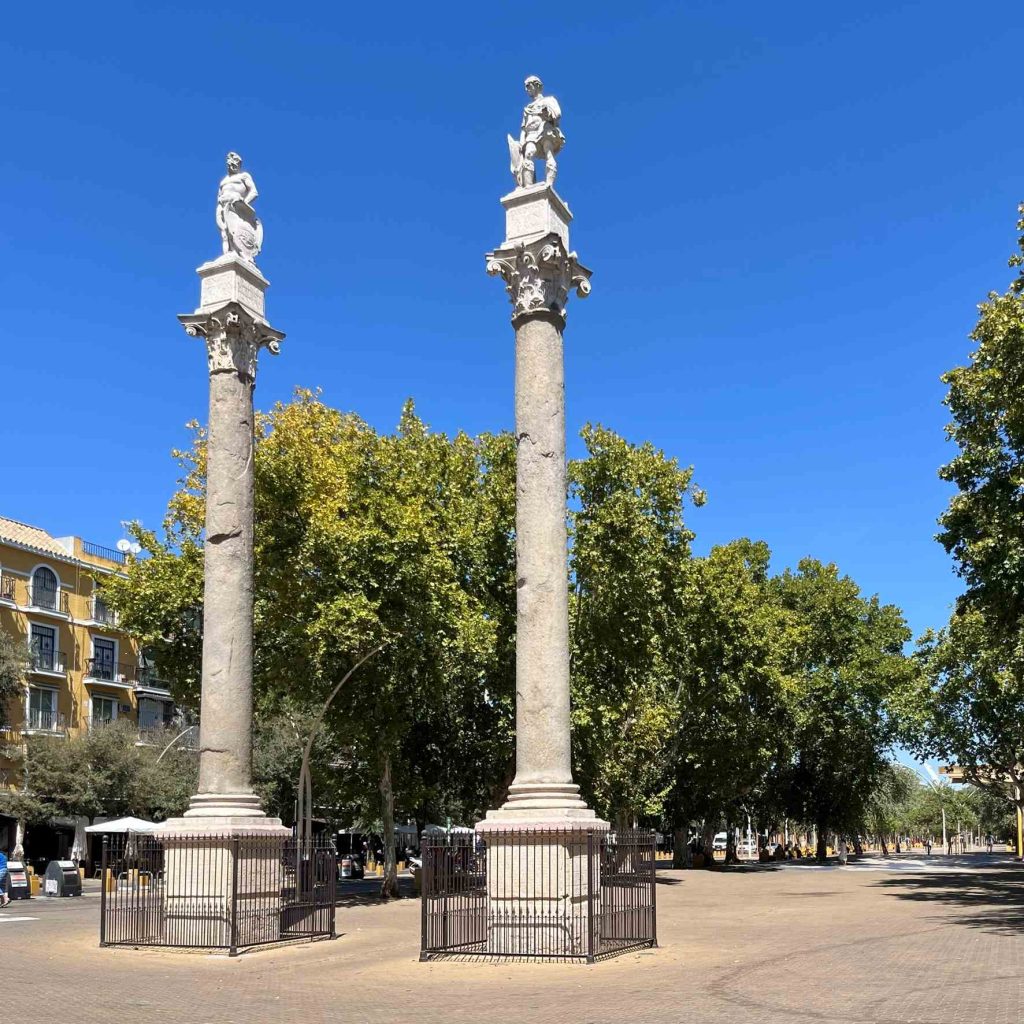
Head up Calle San Luis, which was once at the heart of the Roman city of Hispalis. You’ll pass San Marcos church, which was built soon after Ferdinand III conquered Seville in 1248, and it still retains elements of the original Gothic-Mudéjar structure. At the top of the street, you’ll find the best preserved part of Seville’s medieval city walls, including the Torre Blanca tower. Return towards the city centre via the bustling Calle Feria and the Alameda de Hercules.
Basílica de la Macarena
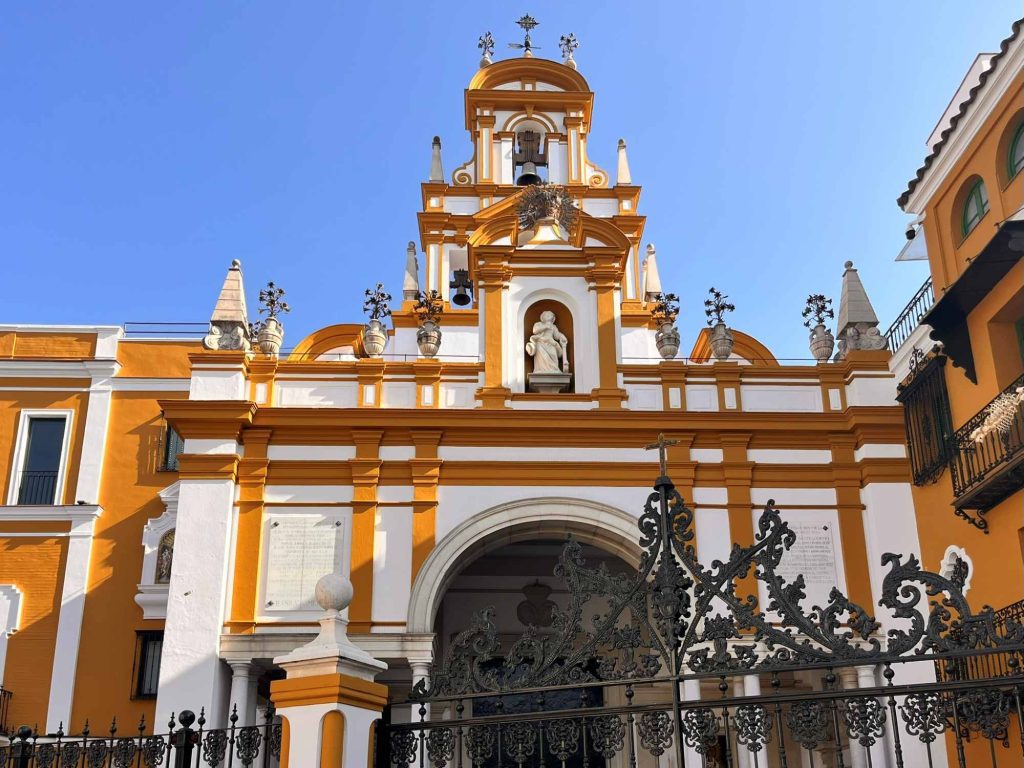
The Basílica de la Macarena was built in the 1940s to house the images belonging to the Brotherhood of La Macarena, used in Holy Week processions. Their previous chapel had been burnt down during the Civil War. For many years, the Macarena chapel controversially housed the remains of the Francoist general, Gonzalo Queipo de Llano, until they were removed in 2022. Inside, the chapel is ornately decorated in the Neo-Baroque style, and there’s also a museum of Holy Week in Seville. You need to buy a ticket for the museum, but it’s free to enter the chapel.
Lunch
Grab a quick bite to eat in the Mercado de la Calle Feria – one of Seville’s most bustling markets.
Afternoon
Historic Mansions
Visit one of Seville’s aristocratic mansions. The Palacio de las Dueñas and Casa Pilatos both mix Gothic, Mudéjar and Renaissance styles of architecture. The Palacio de la Condesa de Lebrija encompasses a range of architectural styles, and it also houses a fine collection of Roman mosaics and other historical artefacts.
Las Setas
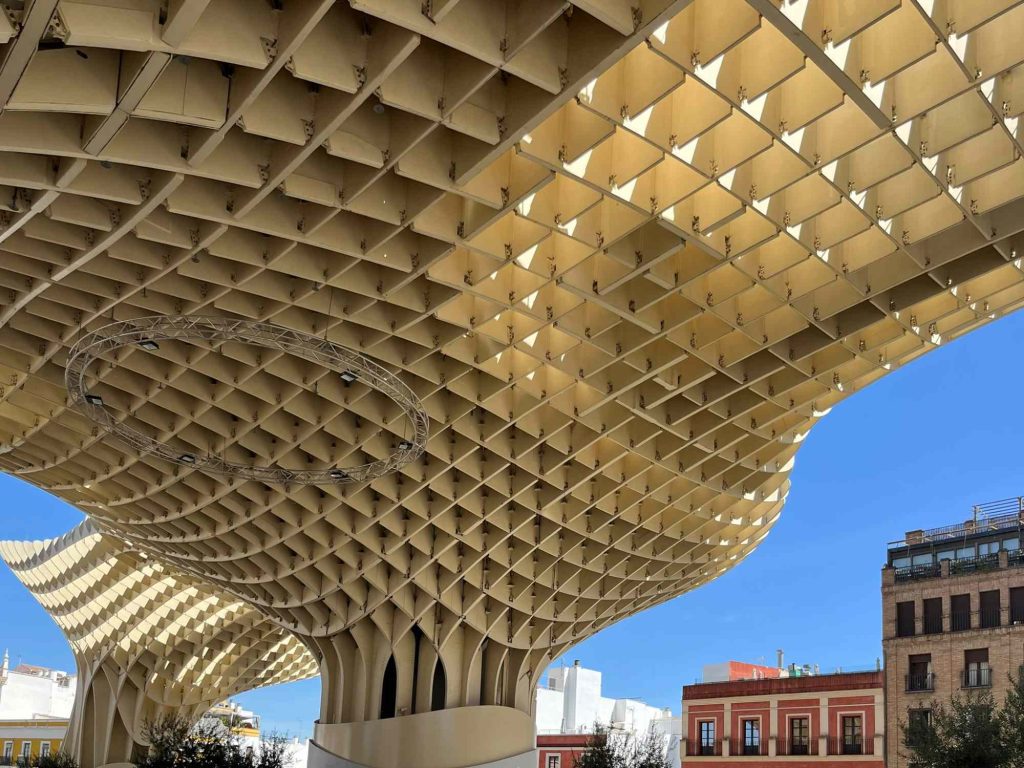
The Metropol Parasol in Plaza de la Encarnación is popularly known as Las Setas – the mushrooms – due to its curvy shape. The wooden structure consists of six parasols – or mushrooms. You can see the Setas from underneath for free, but there’s an entrance fee to go up to the viewing terrace and walk around the structure. In the basement, the Antiquarium displays the Roman remains that were found when excavating the site.
Evening
Calle Feria and the streets around are great for tapas bar-hopping – try Casa Vizcaíno or Bar El Templo de Feria. Fatouch has very tasty Lebanese food.
For a formal meal, Lalola de Javi Abascal offers modern Andalucian cuisine, specialising in Iberian pork dishes.
Day 6
On your last morning, pop into a museum you didn’t get time for or just enjoy a leisurely brunch or a stroll along the Guadalquivir.
Related audio tours
Save money with a tour bundle
Included audio tours:
- Seville’s Plaza de España: A Window into the Rich History of Spain
- Gateway to the Americas: A Walking Tour Through Seville’s Golden Age
- Flamenco on the Guadalquivir: Industry and Artistry in Seville’s Triana
Questions and answers
Seville’s Fine Arts Museum (Museo de Bellas Artes) has an outstanding collection of paintings by Murillo and other Baroque masters. Important works from the same period are also on display in the cathedral, the Capilla de Caridad and Basilica la Macarena, as well as in various other churches around the city. The Centro Andaluz de Arte Contemporáneo in Cartuja housed in an old monastery turned ceramics factory has temporary exhibitions of contemporary art.
The Triana district across the river from the historic centre of Seville is known as one of the birthplaces of flamenco. It has a number of small venues where you can see an intimate performance. The Flamenco Dance Museum (Museo del Baile Flamenco) run by the renowned dancer and choreographer Cristina Hoyos also puts on shows, and the Teatro Flamenco Sevilla is generally well-regarded.
The Museum of Illusions and the Seville Aquarium are very popular with families. The Nao Victoria Center is also a good bet as it has some great audiovisual exhibitions about Magellan’s journey around the globe, as well as the chance to go onboard a replica of one of his ships. The Plaza de España is popular with all ages, and you can even hire a rowing boat to glide under the bridges.
Córdoba is only a short high-speed train ride from Seville, so it makes a great day trip. Other good options include Jerez de la Frontera, Carmona and the Roman city of Itálica. It is also possible to visit Ronda and Cádiz, but they are slightly further away.