
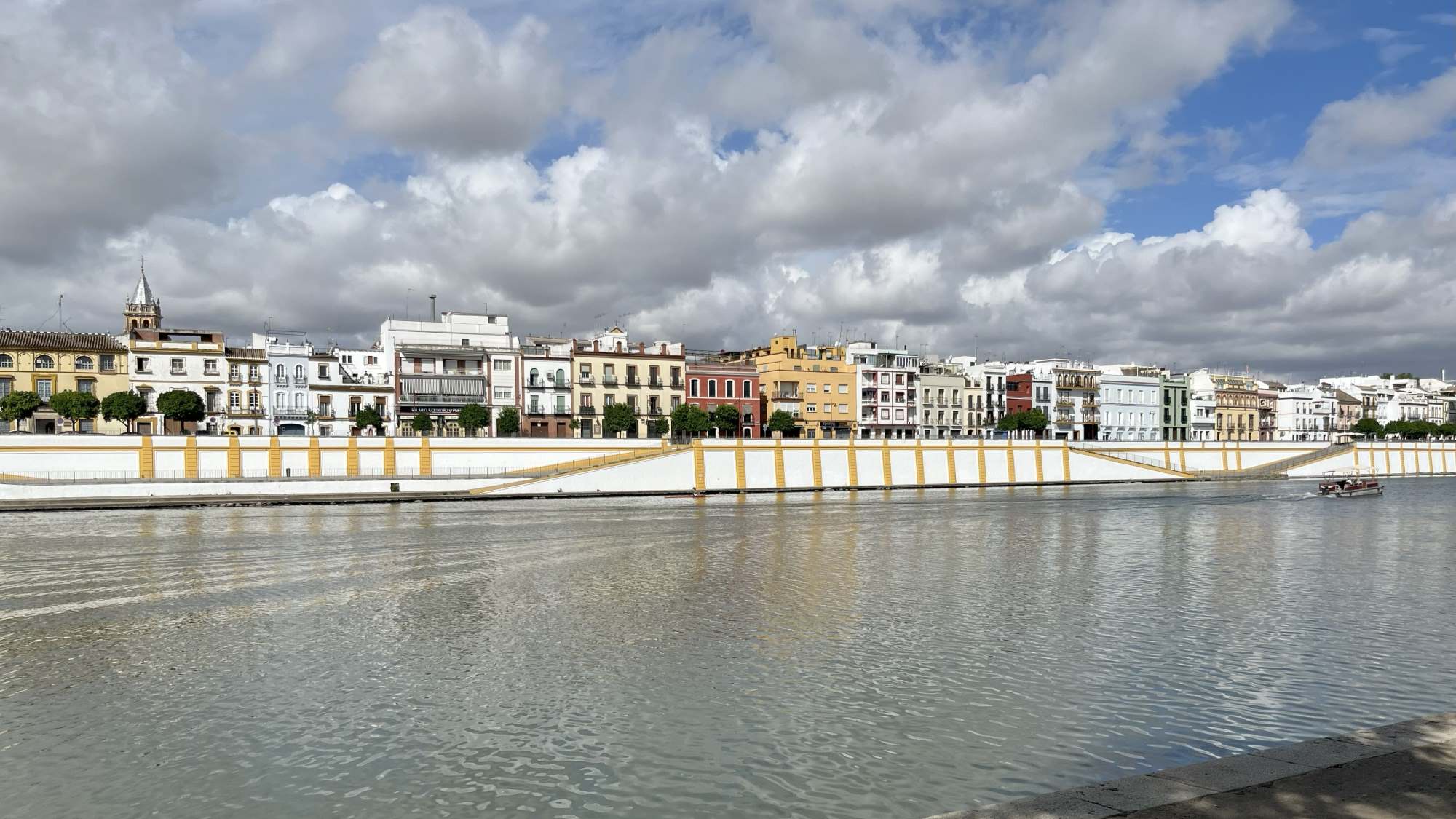
Triana
Until 1852, Triana on the “other” side of the River Guadalquivir was only connected to Seville’s city centre by a pontoon bridge, which could be dangerous in bad weather and was frequently out of service for repairs. Triana therefore developed its own character, some of which you can still detect if you visit today.
The first part of Calle San Jacinto (the continuation of the Triana bridge) and the riverfront have become very touristy, but you don’t have to venture far beyond that to get a better taste of the neighbourhood’s colourful character.
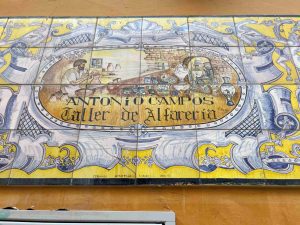
Ceramics industry
Triana was once Seville’s manufacturing district, home to a massive soap factory and famous for its ceramics. The industrial revolution sent Triana’s ceramics industry into decline, but craftspeople still make traditional ceramics on a small scale.
Flamenco
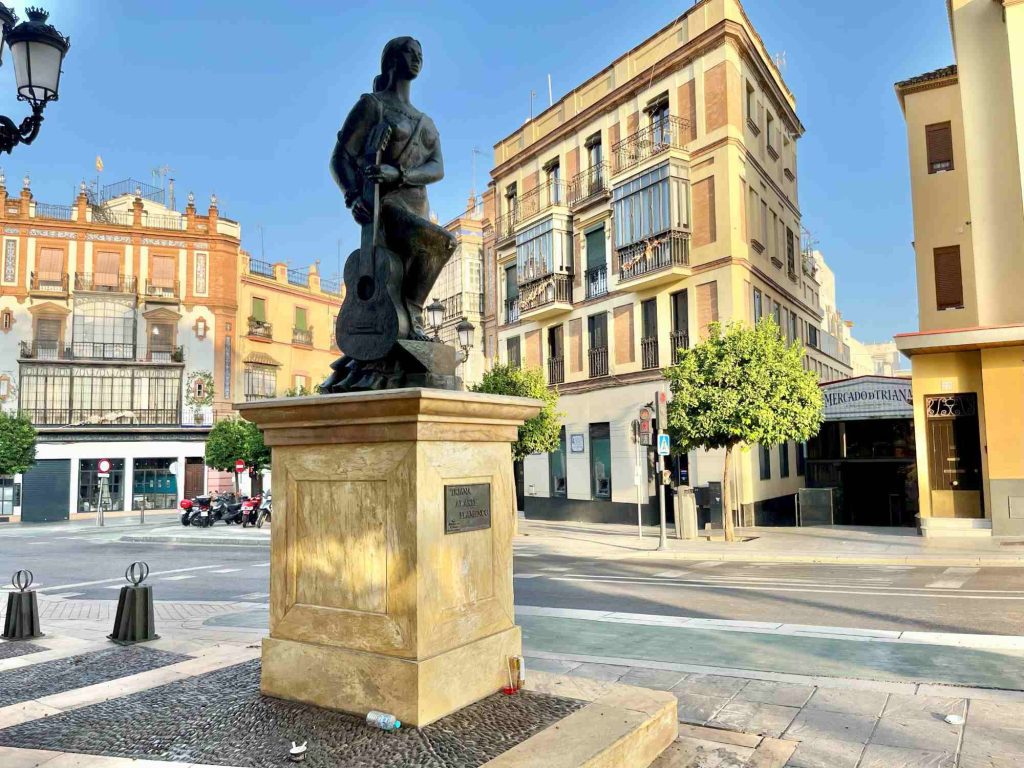
Until the 1950s, Triana was also home to Seville’s large Roma community, who lived in cramped accommodation set around communal courtyards. This was one of the main places where flamenco developed from the fusion of Roma culture and the diverse traditions of the other people they lived alongside. Triana has a number of small, intimate venues where you can catch a passionate and authentic flamenco performance.
Sights
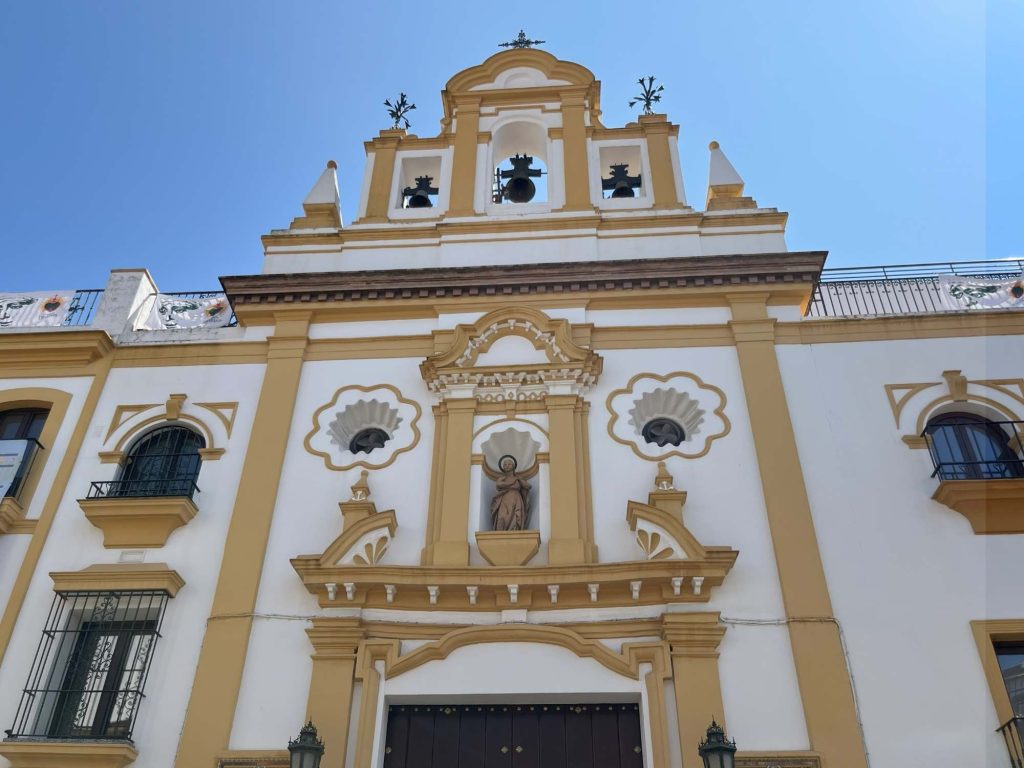
Arguably, the main attraction of Triana is just exploring its streets or stopping for a drink and a snack at one of the many traditional tapas bars. Having said that, there are plenty of things to see, including Triana’s excellent market (the Mercado de Triana), which is just by the end of the bridge. Right next to it, you can visit the tiny Capilla de la Virgen del Carmen and the remains of the Castle of St George, which was once the headquarters of the Inquisition.
Just the other side of the market, the Triana Ceramic Centre explains the history of Triana’s ceramics industry and has a fascinating collection of the extremely varied ceramics products that have been made in Triana over the centuries. And of course there are a number of churches and chapels, including Santa Ana – known locally as Triana’s cathedral – and the Mariners’ Chapel, which was where the seafarers from Triana who criss-crossed the Atlantic went to worship.


Questions and answers
The main appeal of Triana is in exploring its atmospheric streets, visiting one of its excellent tapas bars or enjoying a passionate flamenco performance.
The main sights include the Mercado de Triana, Triana Ceramic Centre, Santa Ana church, the Mariners’ Chapel and the Castle of St George – the former headquarters of the Inquisition.
Triana has a number of small venues where you can see an intimate performance, for example the Teatro Flamenco Triana and Sala Almoraima – Tablao Flamenco.