
Renaissance Architecture
5 Nights / 6 Days
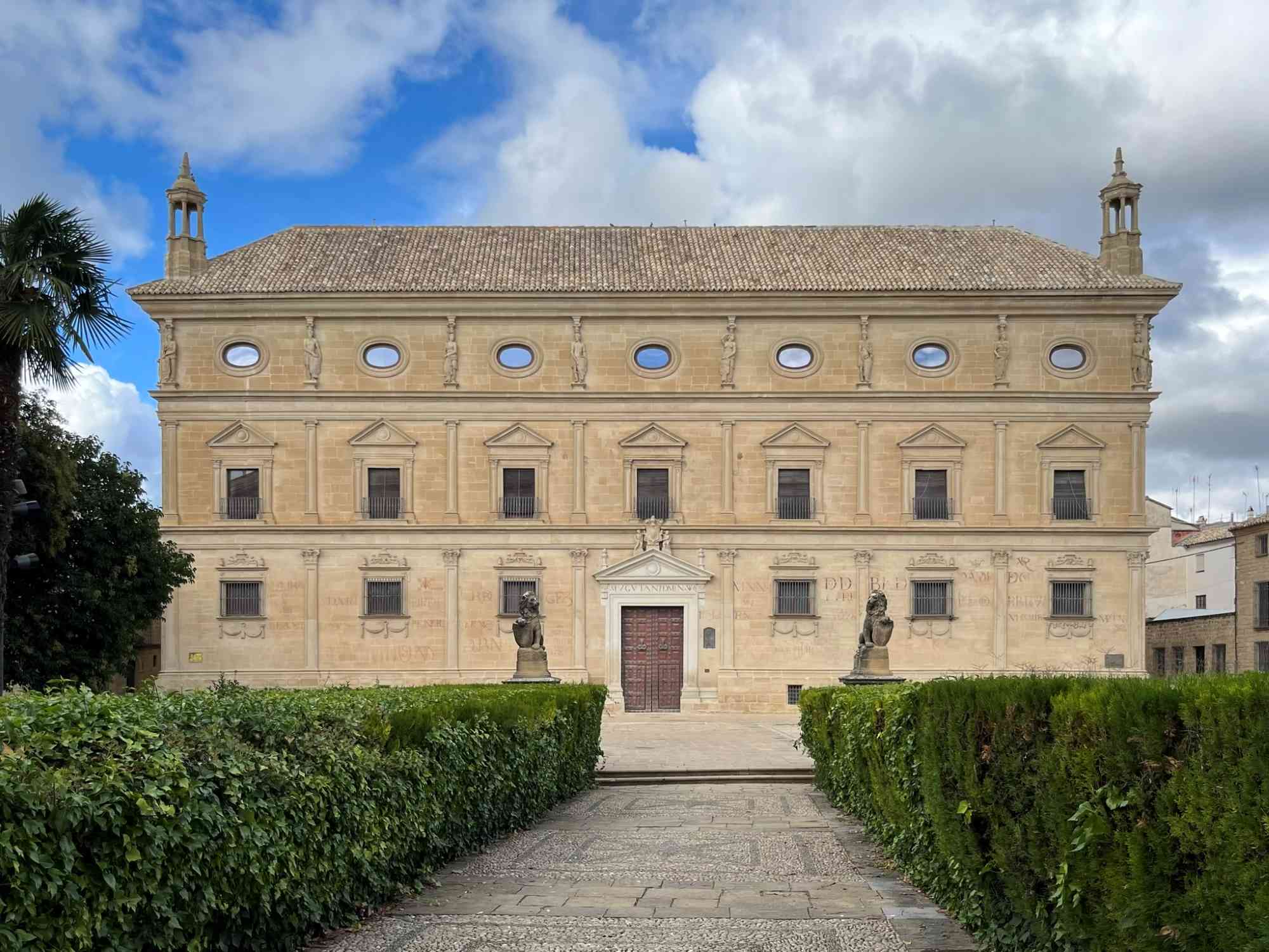
This itinerary focusses on the Renaissance architecture of Granada and Jaén provinces. You’ll see masterpieces of the great architects Diego de Siloé and Andrés de Vandelvira, including the cathedrals in Granada and Baeza, and the Sacra Capilla del Salvador, a spectacular funerary chapel in Úbeda.
Also see: our article on Andalucía’s Renaissance Architecture.
Day 1 Realejo
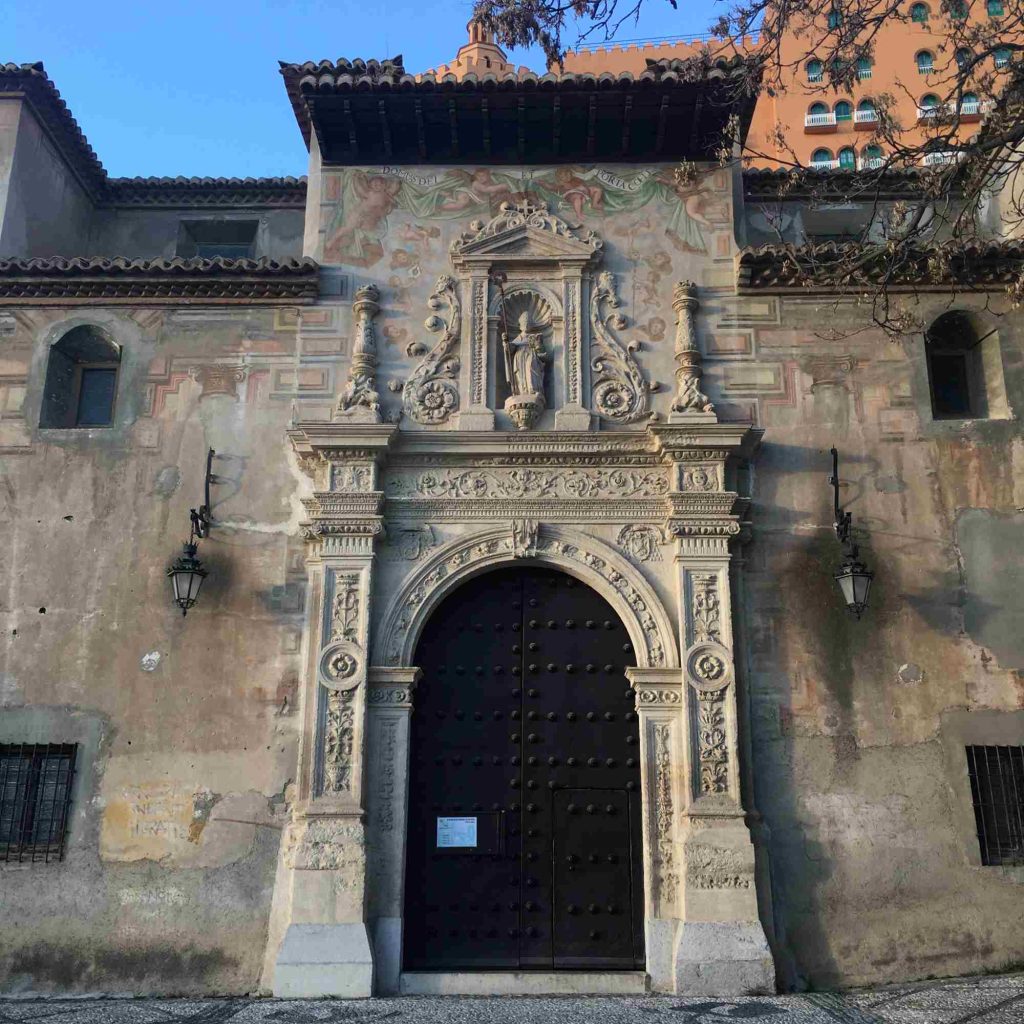
On the first day, have a look around the Realejo district of Granada. Start at the City Hall on Plaza del Carmen. If you go inside, you can see the Renaissance courtyard of this former convent. Santo Domingo church has various Renaissance elements, including the huge round arches on its façade, and the doorway of San Cecilio church is in the early Renaissance plateresque style. Casa de los Tiros on Calle Panaveras is another Renaissance building in Realejo. It houses a small museum, so you can go inside.
Realejo
Historically, Realejo was Granada’s Jewish quarter, but these days remnants of the city’s Muslim and Jewish legacy are intermingled with Christian churches and Renaissance palaces. There are no must-see attractions, but sights worth a visit include the Cuarto Real de Santo Domingo ($), Torres Bermejas, Fundación Rodríguez-Acosta ($), Casa de los Tiros and Campo de Principe. The district’s pleasant squares are also great places to linger over a coffee.

Evening
Tapas in Realejo
Go tapas bar-hopping in Realejo. Granada is famous across Spain for its “free” tapas culture, where a different tapa is served included with the price of each drink. The lively Realejo district is packed with tapas bars – check out El Conde, La Taberna del Kosmonauta, Casa de Vinos La Brujidera or Taberna Granados for tasty tapas and a good range of wines.
Day 2 Granada’s Historic Centre and the Lower Albaicín
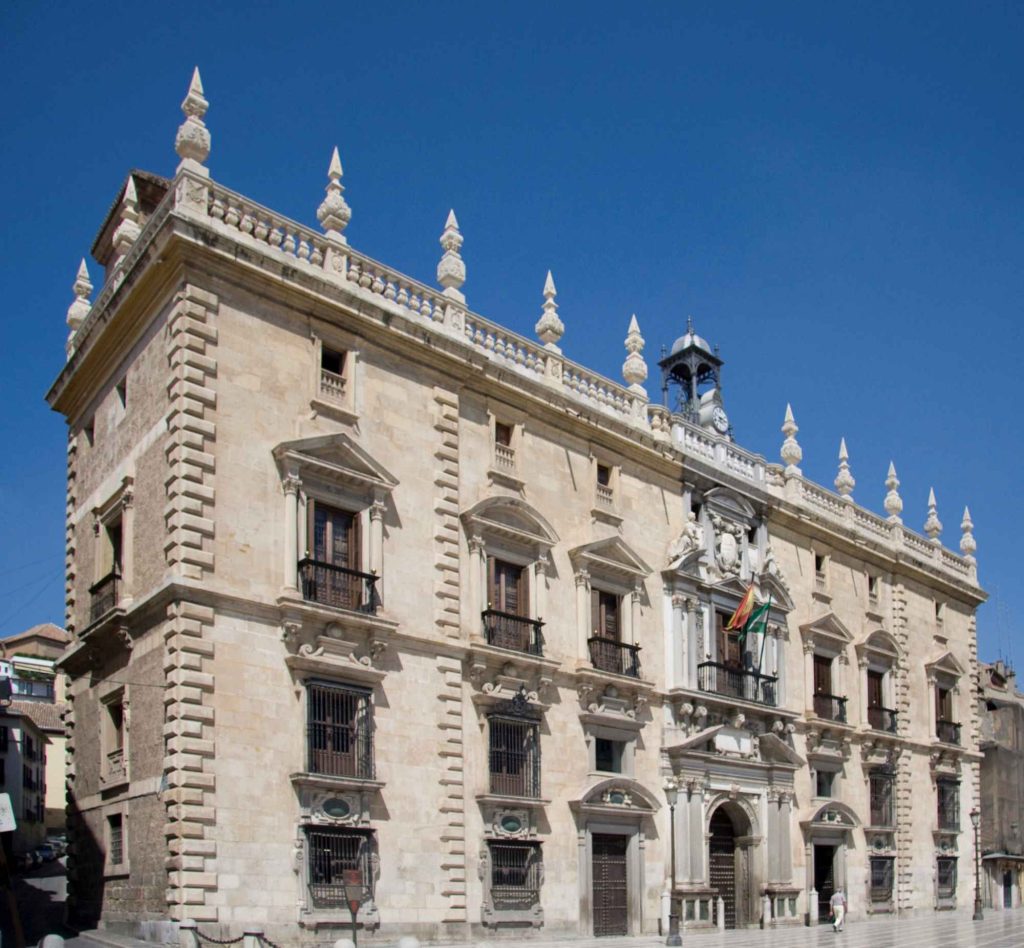
Granada’s historic centre has numerous fine Renaissance buildings, including the Cathedral, St. Jerome Monastery and Royal Chancery. The Albaicín is the best-preserved part of the Muslim city, but you’ll still find a few Renaissance buildings, including the Casa de Castril, which houses the Archaeological Museum. The Church of St. Peter and St. Paul opposite combines Renaissance and Mudejar elements.
Our Enchanting Granada audio tour guides you through both these areas, while telling you about the architecture and changes in Granada after it passed from Muslim to Christian rule. You’ll probably need to stop for lunch before going inside the Cathedral.
Morning
Granada’s Historical Centre
Explore Granada’s historical centre, which is home to the city’s Renaissance and Baroque masterpieces. Sights include Plaza Bib-Rambla, the Corral del Carbón, the Cathedral ($) and Royal Chapel ($), the Basilica of San Juan de Dios ($) and St. Jerome Monastery ($). Much of the centre is pedestrianised, and there are plenty of pleasant squares where you can stop for refreshment at a café or bar with a terrace.
Lower Albaicín
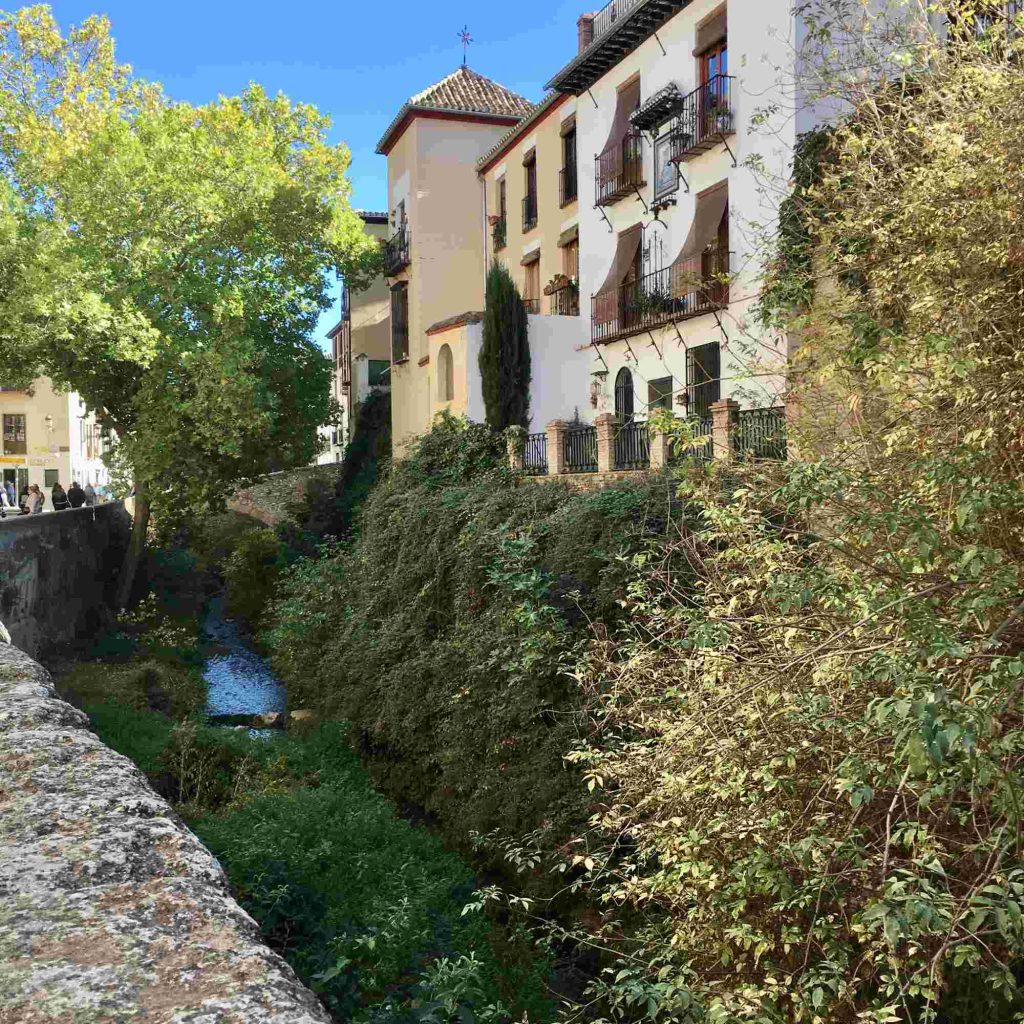
Soak up the atmosphere of the World Heritage-listed Albaicín district while you weave through the medieval alleyways created under the city’s Moorish rulers. Head up the picturesque Carrera del Darro to El Bañuelo ($) (the Arab baths), Casa de Zafra ($), Paseo de los Tristes and return via the Mirador de los Carvajales for a great view of the Alhambra.
Lunch
Sample tapas based on local produce at Granada’s central market, the Mercado San Agustín, or Taberna Palo Cortao opposite.
Afternoon
Granada Cathedral
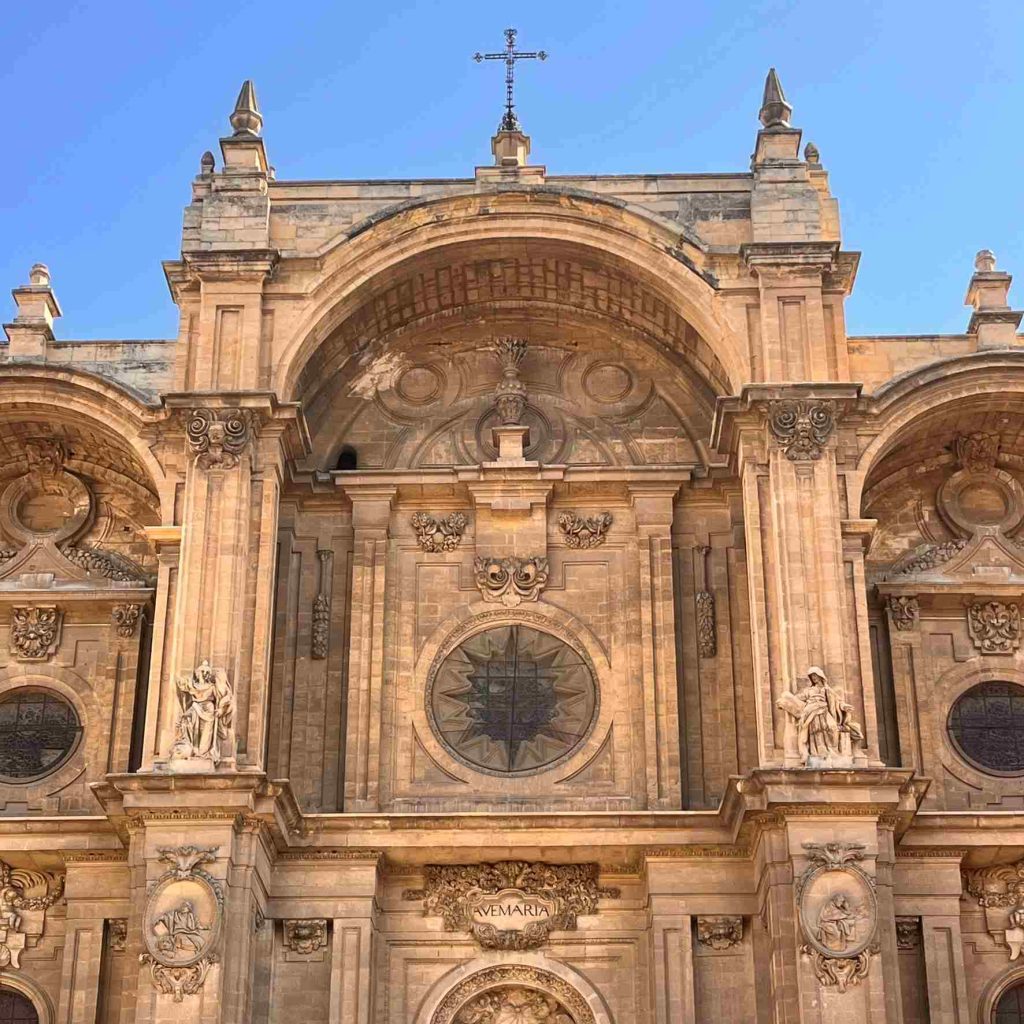
Work on Granada’s massive cathedral started in 1523, but it was only completed 181 years later in 1704. It was originally intended as a Gothic cathedral, but in 1528 the architect Diego de Siloe was brought in to redesign it in the more modern Renaissance style, which was just beginning to become popular in Spain. Tastes continued to evolve while the cathedral was being built, so the main façade and many decorative elements inside the cathedral are in the Baroque style.
Evening
Although Granada is around 75 km from the Mediterranean, fish and seafood are very popular. One of the classic seafood restaurants in Granada is Restaurante Bar Oliver in Plaza de la Pescadería, and just around the corner in Calle Marqués de Gerona is El Pescaíto de Cármela.
Day 3
No visit to Granada is complete without visiting the Alhambra and Generalife, which is a UNESCO World Heritage Site. Alongside the marvellous Islamic architecture you’ll see the Palace of Charles V, built in the 16th century in the Renaissance style. The huge square building encloses a round porticoed courtyard.
If you walk up to the Alhambra via Cuesta de Gomérez and the Justice Gate, you’ll pass three notable pieces of Renaissance architecture. The Puerta de Granadas (“Gate of the Pomegranates”) is flanked on the left by the Marquesses of Cartagena’s mansion. Further up the hill, just below the Alhambra is the Charles V fountain.
Spend the rest of the afternoon relaxing in the Carmen de los Mártires gardens or enjoy the amazing views of the Alhambra from Mirador San Nicolas in the Upper Albaicín.
Morning
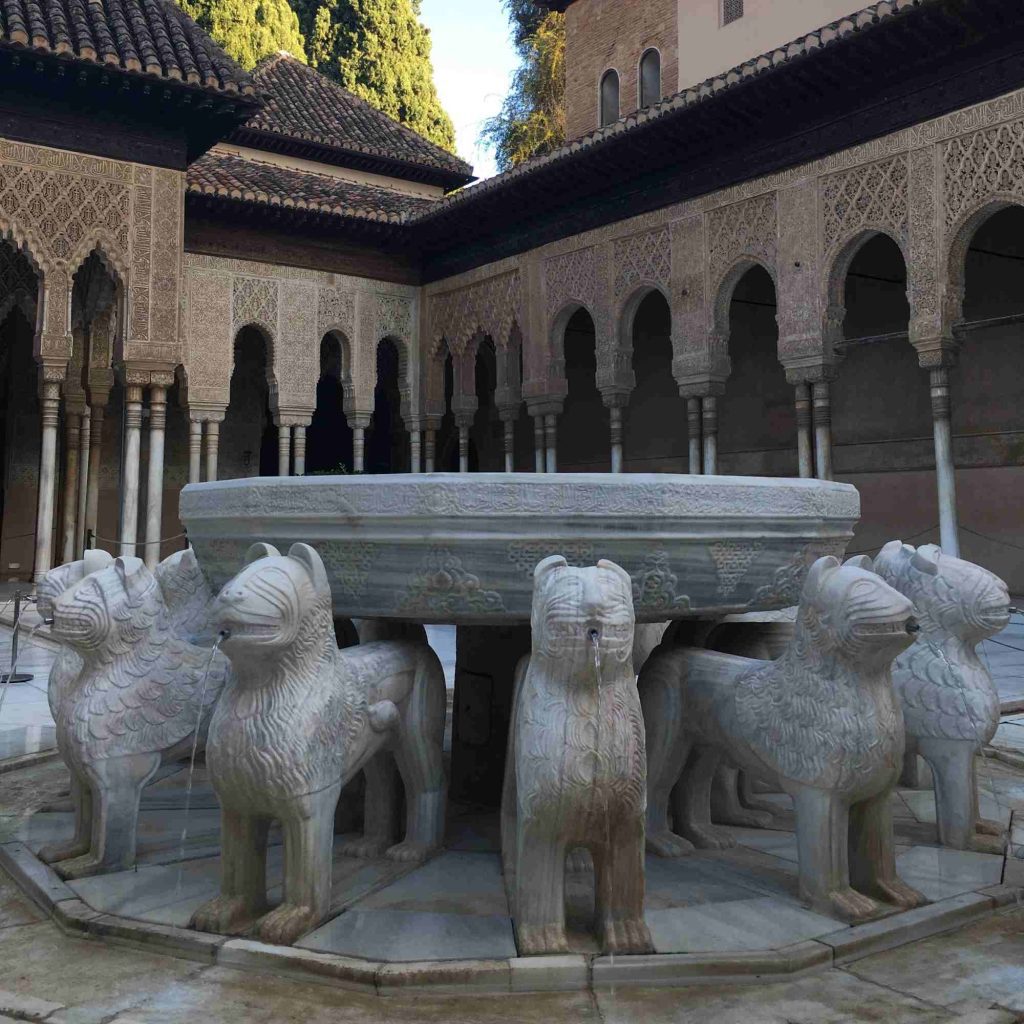
Alhambra and Generalife
The spectacular Alhambra, or “red palace”, is one of the finest and best-preserved examples of historic Islamic architecture in the world. Set on a hill that dominates the modern city, its intricately ornate decoration, peaceful patios and delightful gardens are a must-see for any visitor to Granada.
Lunch
Near the Alhambra and set in a shady garden, Restaurante Jardines Alberto is reasonably priced with a decent range of dishes. The restaurant at the Parador has a lovely terrace overlooking the Generalife, but it’s a bit more pricey and service can be variable.
Afternoon
Carmen de los Mártires
FREE
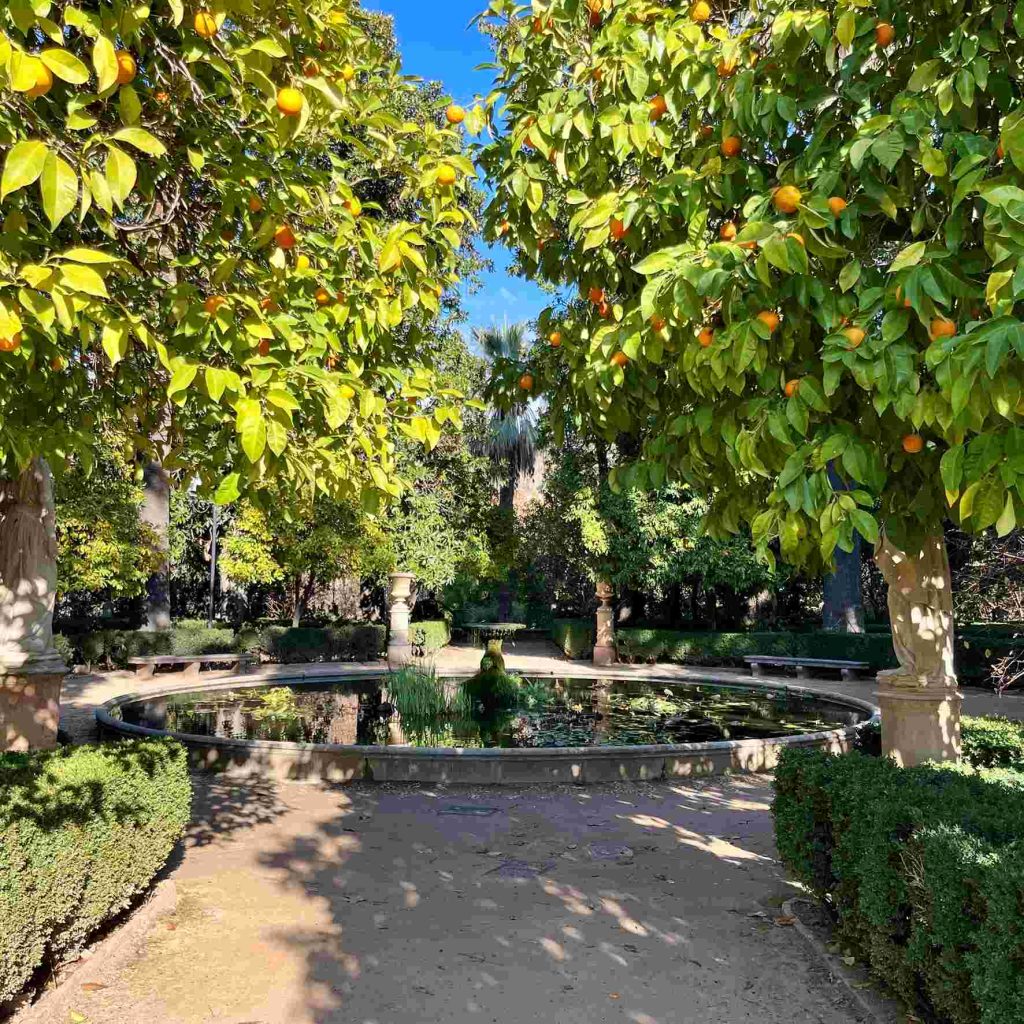
Few tourists make it to the Carmen de los Mártires gardens, although they’re only a stone’s throw away from the Alhambra. The attractive main building is surrounded by palm trees, an artificial cave and pergolas adorned with purple wisteria. Beyond that are a series of gardens, each in a different style: French, English, Spanish and so on. There’s a picturesque little pond with ducks and a folly, and you often see peacocks strolling around. The gardens offer splendid views of the city, Alhambra and Sierra Nevada mountains.
Alhambra views
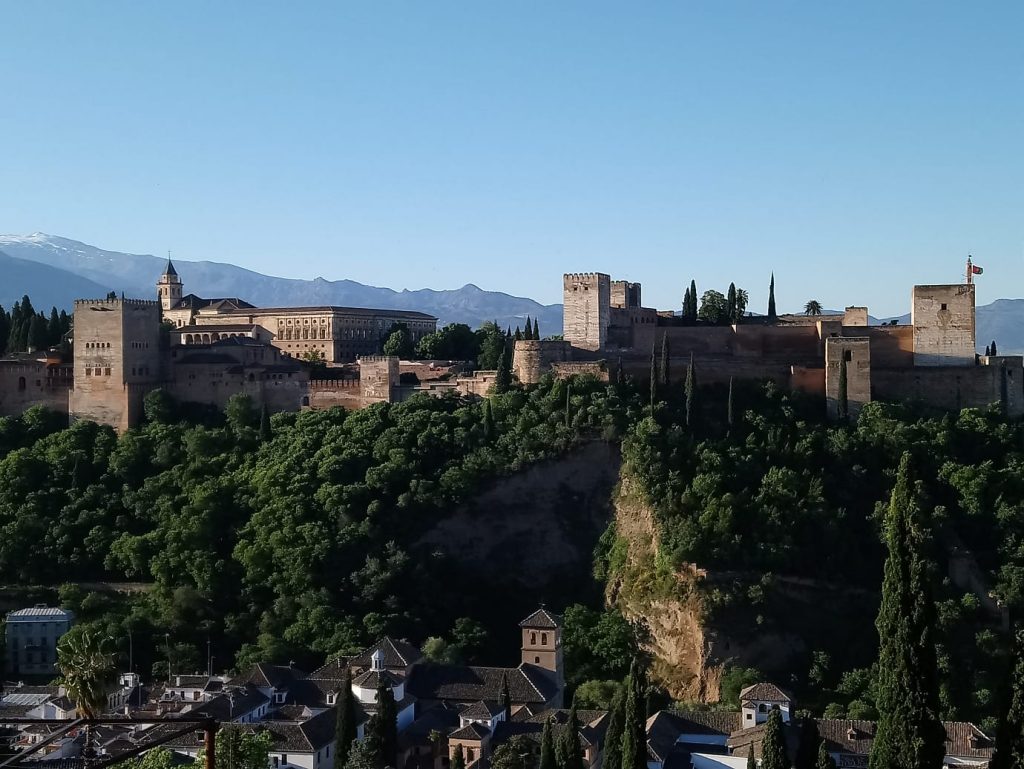
Head over to the Mirador de San Nicolas in the Upper Albaicín for a spectacular view of the Alhambra and Generalife. You really get a sense of the scale of the Charles V Palace compared with the older Nasrid palaces, and you can also pick out the parts of the Alhambra you saw earlier in the day.
It’s a steep climb up, or you can get a bus from Gran Vía de Colón near the cathedral or from the Alhambra.
Evening
If you have the budget, book a table at El Claustro restaurant in the 5* Palacio de Santa Paula hotel. It’s an incredible setting in the cloister of a former Renaissance-style convent.
Days 4-5 Úbeda and Baeza
Úbeda and Baeza are jointly designated a UNESCO World Heritage Site for their fine Renaissance architecture, including Vandelvira’s masterpiece the Sacra Capilla del Salvador (Holy Chapel of the Saviour) in Úbeda.
This itinerary assumes that you stay in Baeza for one night and then move on to nearby Úbeda, but you could stay in either one of the towns for both nights. Úbeda has a wider range of restaurants and accommodation, but Baeza’s Medieval streets are absolutely charming on a moonlit evening, so both are great options.
Day 4 Baeza
Travel to Baeza
Buses from Granada to Baeza take about 2 hours on average. Take the morning bus to give yourself enough time in Baeza.
If you’re driving, allow 1 ½ to 1 ¾ hours. You can either take the A-44 dual carriageway as far as Jaén, or come off it at the junction for Iznalloz and take the A-308/A-323/A-401. The second option doesn’t take much longer and it’s a much more scenic route skirting around the Sierra Mágina mountains.
Plaza del Pópulo and Plaza de Santa Cruz
Explore the streets and squares of Baeza’s old town, which is most famous for its beautiful Renaissance architecture. Landmarks include the magnificent Plateresque town hall, the Plaza del Pópulo with its lion fountain and two triumphal arches and the small but interesting Antonio Machado museum housed in the old university buildings. Don’t miss Plaza de Santa Cruz, where the richly ornamented Palacio de Jabalquinto contrasts with the simple but beautiful Iglesia de Santa Cruz, one of Andalucía’s few Romanesque churches.

Lunch
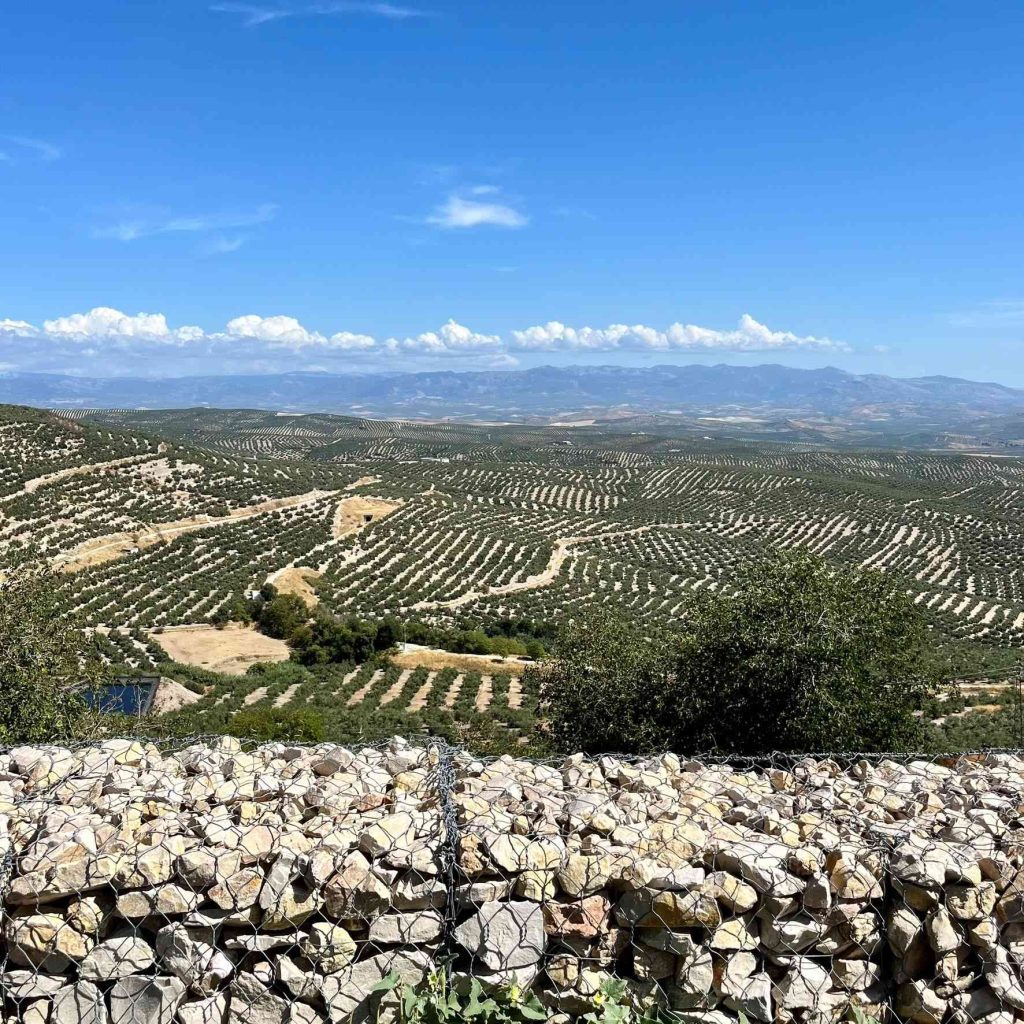
Baeza is in the heart of Spain’s olive oil country, and it’s known for its cuisine based on quality local products, so there are lots of great places to eat. For a simple, tasty lunch, try Ajedrea or Canela en Rama, or if you want something more fancy, Acebuche is a great option.
Afternoon
Baeza Cathedral
Visit Baeza’s fine cathedral ($), which stands opposite the old seminary on Plaza de Santa María. It was begun in 13th century in the Gothic-Mudejar style, but almost entirely rebuilt by the great Renaissance architect Andrés de Vandelvira after the original structure collapsed in 1567. The bell tower provides excellent views of the town.
On leaving the cathedral, wind your way through Baeza’s picture-perfect medieval alleyways and take in the panoramic views of the Guadalquivir river and the Sierra Mágina beyond from the Mirador de las Murallas. Nearby, there’s a section of the medieval town walls that is still intact.

Evening
The Michelin-starred Vandelvira restaurant is located in a 16th century Renaissance convent. It’s pricey, but much less so than many other Michelin-starred restaurants. Obviously you need to book your table in advance. If that’s not in your price range, there are plenty of other restaurants serving excellent food.
Before or after dinner, make sure to take a moonlit stroll to see the cathedral lit up.
Day 5 Úbeda
Morning
Travel between Úbeda and Baeza
There are regular buses between Úbeda and Baeza (15 minutes).
The drive also takes about 10-15 minutes.
Morning
Medieval and Renaissance Úbeda
Úbeda is packed with well-preserved buildings from the medieval and Renaissance periods. These include interesting churches like San Pablo and Santa María de los Reales Alcázares ($), as well as elegant mansions such as the Palacio Juan Vázquez de Molina, the Palacio del Deán Ortega and the Palacio Vela de los Cobos ($).
Úbeda also has a number of lovely squares, which are the perfect place to enjoy a coffee or a beer as you admire the fine architecture and watch the world go by. Climb the clock tower in Plaza de Andalucía for a commanding view of the town.

Jewish Úbeda
Úbeda was home to an important Jewish community in the Middle Ages, and there are several sights relating to that part of its heritage. These include the Plazuela de la Judería ($), which gives you a fascinating insight into Jewish life in medieval Spain, and the Sinagoga del Agua ($), which may have been a clandestine synagogue. Both visits are by guided tour in Spanish, but the Sinagoga del Agua does provide information in English.

Lunch
You’re spoiled for choice in Úbeda, which has a great food culture and lots of reasonably priced bars and restaurants. On Calle Real, Metropolitan la Real and Taberna la Botica are both great options.
Afternoon
Sacra Capilla del Salvador (Holy Chapel of the Saviour)
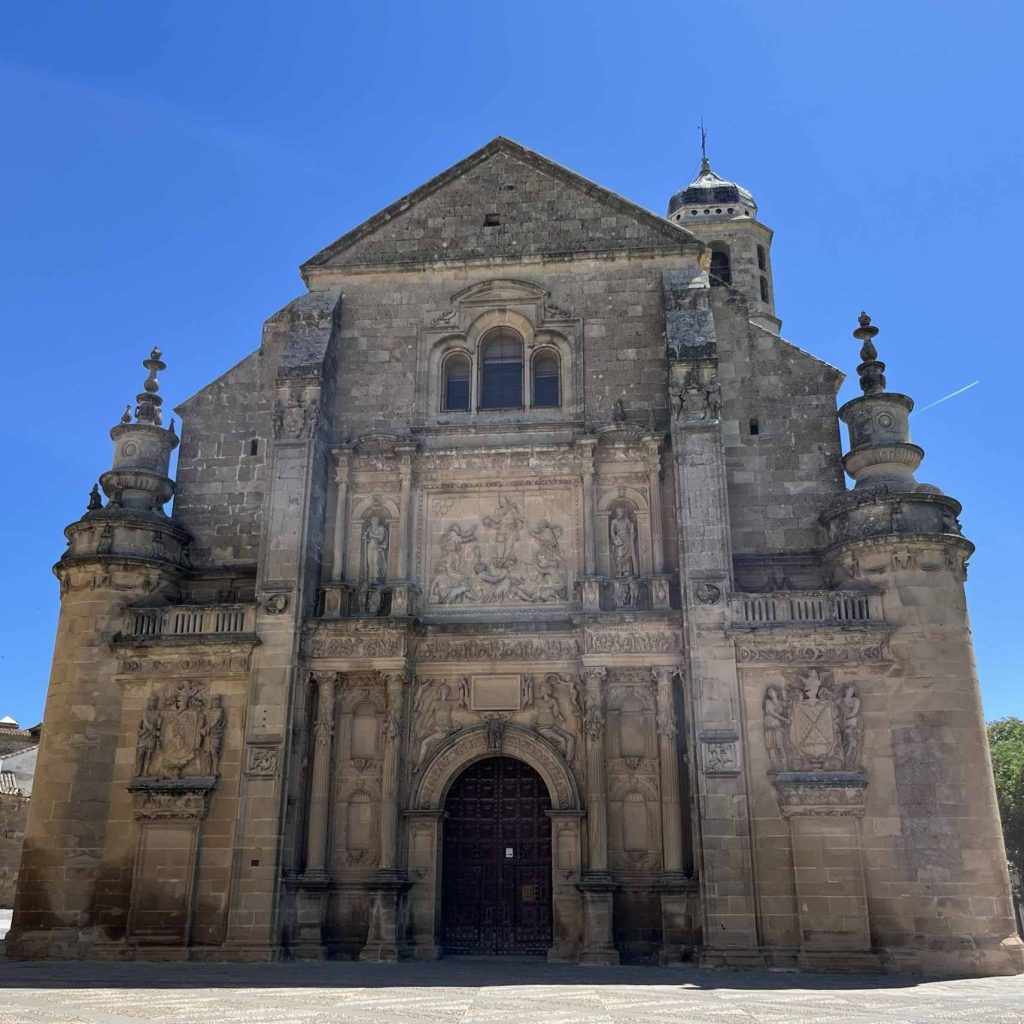
The outstanding sight in Úbeda is undoubtedly the Sacra Capilla del Salvador, or Holy Chapel of the Saviour, considered one of the masterpieces of the Spanish Renaissance. It was commissioned as a funerary chapel by Francisco de los Cobos, who had become immensely wealthy through his position as secretary to the Emperor Charles V. No expense was spared, with the finest craftsmen being brought in to decorate it.
The original design was by Diego de Siloe, the architect behind Granada Cathedral, but Andrés de Vandelvira was responsible for executing the project, and he designed the magnificent sacristy. Work on the chapel began in 1535, and after the death of de los Cobos in 1547, it was completed in 1559 under the auspices of his widow María de Mendoza.

Ceramics
Úbeda has been a centre of ceramics production since the Middle Ages. You can visit one of the workshops where they still produce pottery the traditional way, using a so-called Arab oven. The Paco Tito museum in one of the workshops has interesting exhibits on the history of the local ceramics industry.

Evening
Misa de 12 on Úbeda’s Plaza 1 de Mayo is the perfect place for a drink or casual bite to eat while you admire the fine architecture and watch the world go by. On the same square, a slightly more upmarket choice is Lolana or, if you really want to push the boat out, Cibus.
Day 6
Spend the last morning going into a sight you missed, or find out about olive oil at the Interpretation Centre.
Olive and Olive Oil Interpretation Centre
You can find out all about the history of olive cultivation and oil production at the Olive and Olive Oil Interpretation Centre ($) in Úbeda. They offer tastings and there’s also a shop.
If you have time…
If you have more time, Jaén Cathedral is another example of Vandelvira’s great work. Jaén doesn’t get many tourists, as it has fewer standout sights than Seville, Granada, Córdoba and Málaga, but as well as the cathedral, there’s a picturesque castle at the top of the city, some Arab baths, and a museum about the Iberian people.
Related audio tours
Save money with a tour bundle
Included audio tours:
- Enchanting Granada: A Walking Tour of the Historical Centre and Lower Albaicín
- Renaissance Baeza: A Guide to an Andalusian Jewel Amongst the Olive Groves
- Renaissance Úbeda: A Tour of its Magnificent Mansions and Serene Squares
Questions and answers
The notable Renaissance-style buildings in Granada’s historic centre include the cathedral, St Jerome Monastery and Royal Chancery.
Úbeda and Baeza have been recognised as a UNESCO World Heritage Site for their exceptionally well-preserved Renaissance heritage, which blends ideas imported from Italy with local history, traditions and building techniques.
The Sacra Capilla del Salvador (Holy Chapel of the Saviour) was built in Úbeda as a funeral chapel by Francisco de los Cobos. It is considered one of the masterpieces of Spanish Renaissance architecture.
Baeza Cathedral as you see it today was designed by Andrés de Vandelvira, who also designed Jaén Cathedral.