
Andalucía’s Renaissance Architecture
Andalucía has a wealth of Renaissance architecture, from magnificent cathedrals to elegant mansions and peaceful cloisters. The neighbouring towns of Úbeda and Baeza in Jaén province have been recognised as a UNESCO World Heritage Site for their exceptionally well-preserved Renaissance heritage, which blends ideas imported from Italy with local history, traditions and building techniques.
Origins of the Renaissance
Before looking at Andalucian Renaissance architecture in more detail, we should put it into its context. Renaissance means rebirth, reflecting the fact that this period saw a revival of some of the values and aesthetics of the classical period. This return to Ancient Greek and Roman ideas is closely associated with Renaissance Humanism, a philosophy which emphasised the individuality and moral autonomy of humans. Although it did not seek to replace religious morality, it placed renewed importance on civic virtue and on scientific learning.
In parts of Italy, this growing interest in the classical period can be traced back as far as the 13th and 14th centuries, but it was really from the 15th century onwards that the Renaissance flourished, spreading out from Florence. Filipo Brunelleschi, who famously designed the dome for Florence Cathedral, is often seen as the father of Renaissance architecture.
Renaissance buildings were characterised by symmetry, harmonious proportions, the use of columns to create colonnades and porticoed courtyards, and relatively flat facades decorated with pediments and pilasters. Pointed Gothic windows and doors gave way to round or flat-headed openings, while barrel vaults gained popularity at the expense of rib-vaulted ceilings. Wherever possible, brickwork was concealed by stone or plaster, and churches and cathedrals were adorned with large domes, like the one in Florence.
Isabelline style
Although Florence Cathedral was completed in 1436, in Andalucía the Gothic and Mudéjar styles continued to dominate right through the 15th century. However, the beginnings of a gradual transition can be discerned in the late 15th century, with the so-called Isabelline style, named after Isabella I of Castile (reigned 1474–1504).
Influenced by Flemish, Italian and local traditions, it combines carved wooden ceilings, stucco decoration and tiles with the elaborate stone tracery and pointed arches of the late-Gothic Flamboyant style. While these Mudéjar and Gothic elements predominate, the introduction of pediments and balusters hints that the Renaissance is just around the corner.
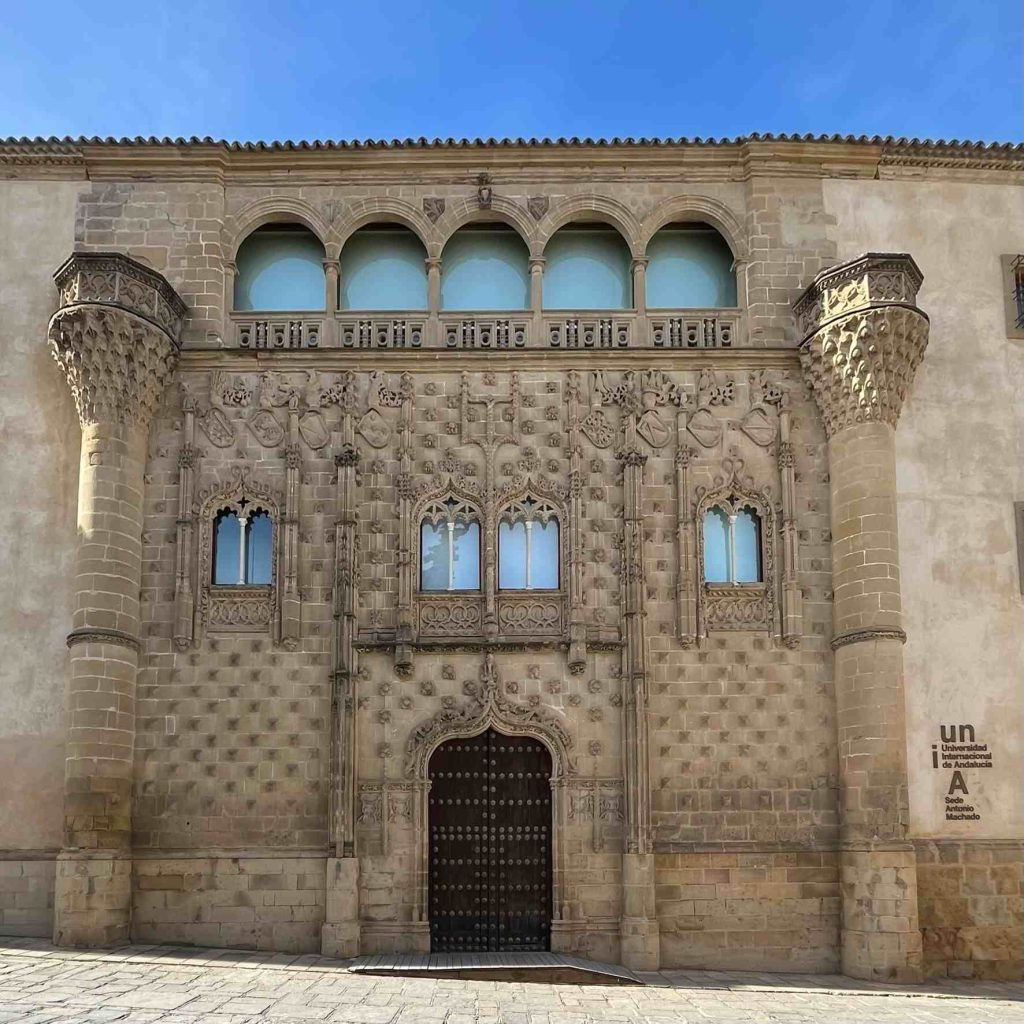
In Andalucía, the most notable example of Isabelline architecture is the Royal Chapel in Granada, built over the period 1505–17, but it can also be seen in the façade of Jabalquinto Palace in Baeza and main entrance to the Church of San Pablo in Úbeda.
Plateresque style
Isabelline architecture is often considered the start of the broader Plateresque style, whose name derives from the Spanish word platero, meaning silversmith. This is because Plateresque buildings have intricate and ornate stone tracery reminiscent of the filigree patterns of silverwork, particularly around doorways and windows.
The transition from the Isabelline style to the high Plateresque sees heraldic shields and floral patterns begin to replace Gothic-style ornamentation like gargoyles and grotesques. This is also when symmetry becomes more pronounced and round arches are introduced. At this point, we can say the Renaissance has truly arrived in Spain, even though some local idiosyncrasies remain.
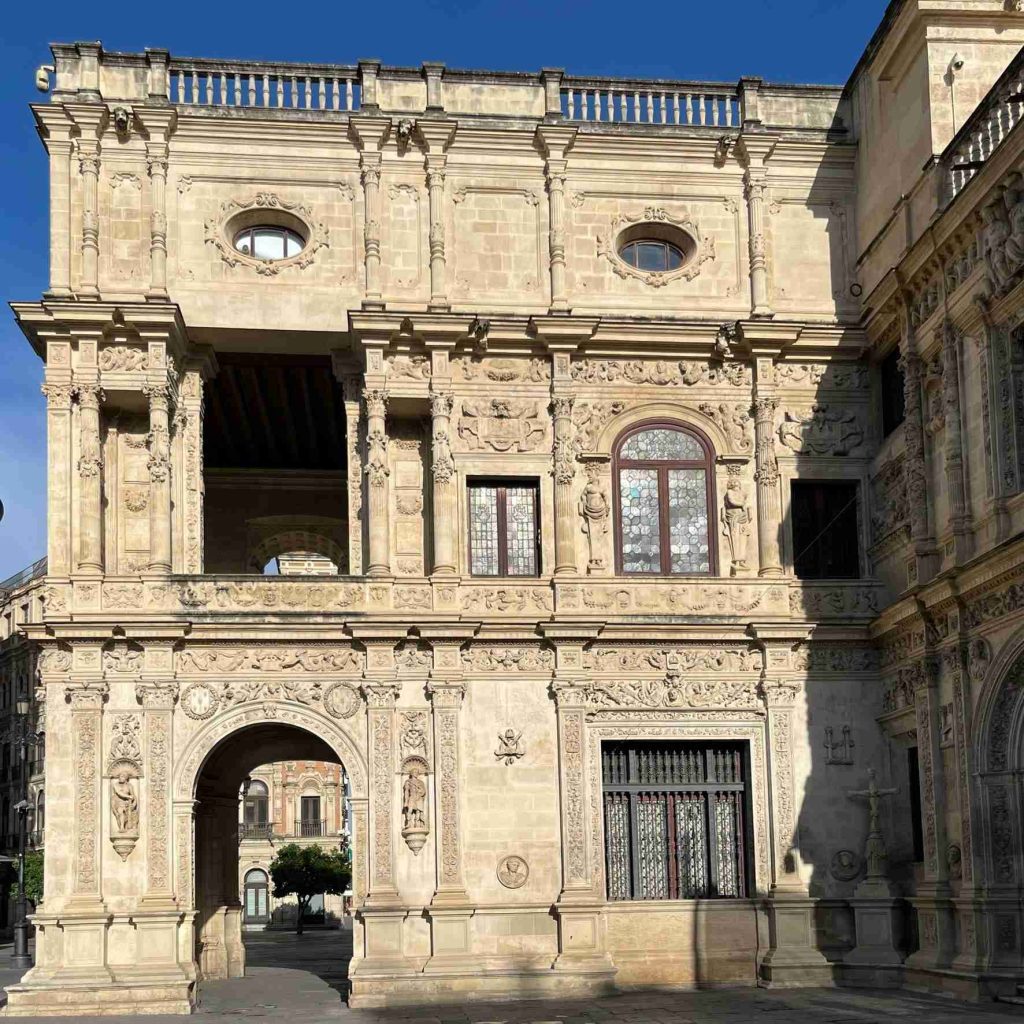
The finest examples of high Plateresque architecture in Andalucía include Seville’s City Hall, designed by Diego de Riaño, the Casa del Pópulo in Baeza, the Casa de las Torres in Úbeda and many of the altarpieces in Andalucía’s churches.
Italian Renaissance style
In the mid-16th century, the Plateresque transitions into a purer and more sober Renaissance style, with an emphasis on technical excellence and a sense of proportion.
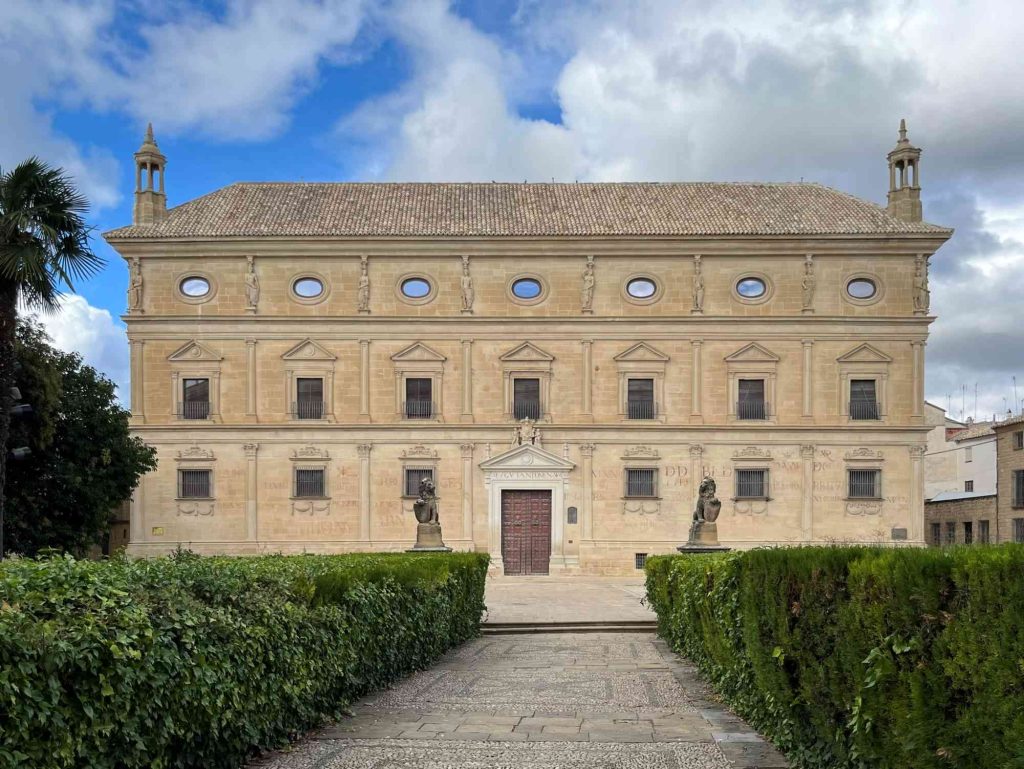
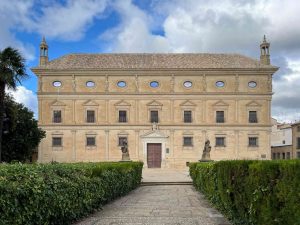
In Andalucía, this Italian Renaissance style is exemplified by the Charles V Palace at the Alhambra, with its rusticated stonework façade, as well as Jaén Cathedral and the Vázquez de Molina Palace in Úbeda, both designed by Andrés de Vandelvira. This purer Renaissance architecture can be seen in several of the region’s other great cathedrals, but as we’ll come back to, they really combine various styles.
Herreriano and Mannerist styles
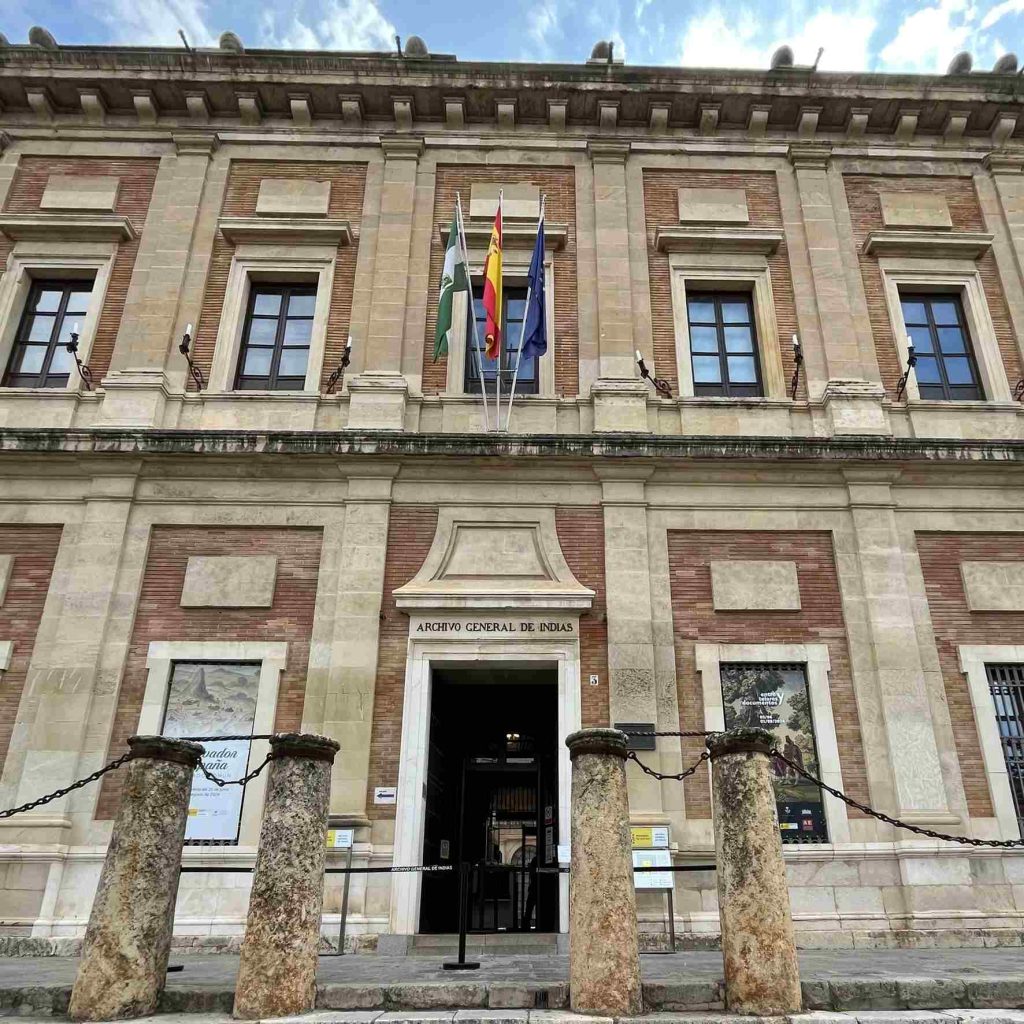
The final phase of Spanish Renaissance architecture, towards the end of the 16th century, is characterised by the even more austere Herreriano style, named after Juan de Herrera, the architect behind the royal monastery and residence El Escorial. The obvious example in Andalucía is the merchant guild building in Seville, which was designed by Herrera himself and now houses the General Archive of the Indies.
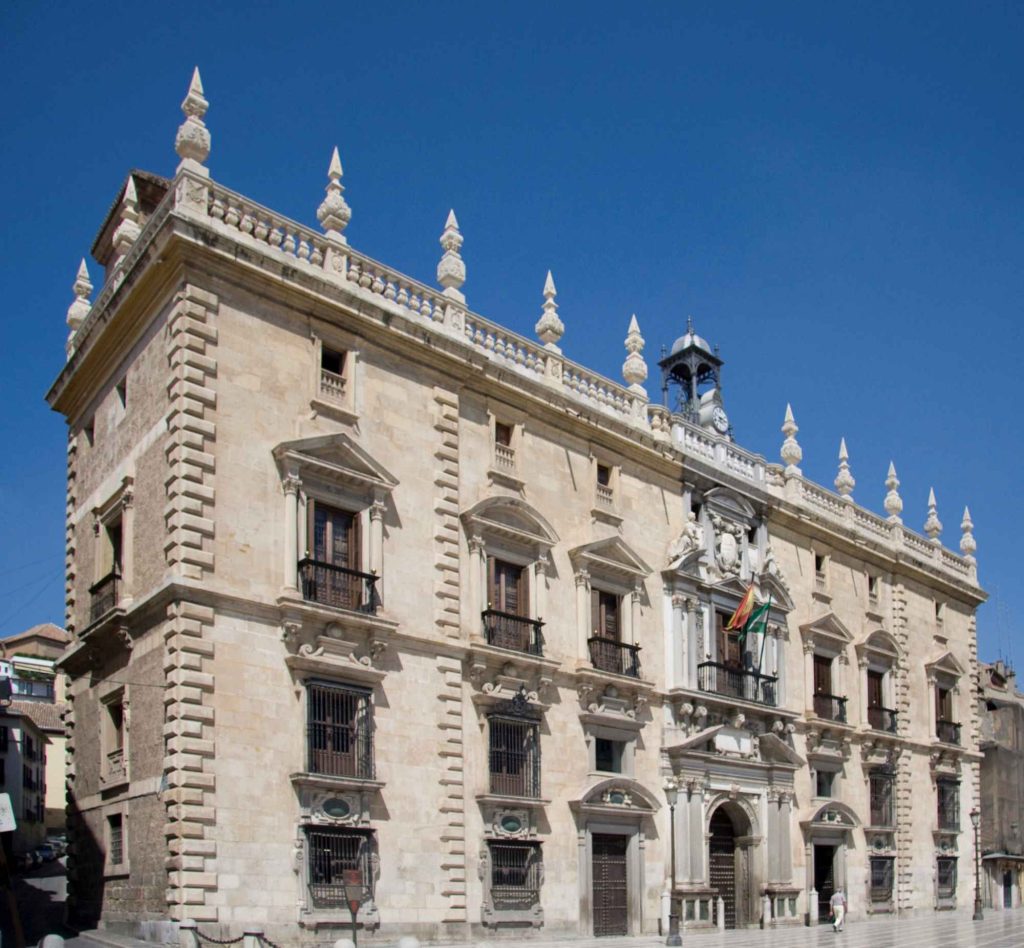
However, Herrera’s style never really caught on in the south of Spain, where the Mannerist style, typical of the late Renaissance in Italy, was more influential. This can be seen in buildings such as the Royal Chancery in Granada and town hall in Martos. Mannerist influences are also present in many of the churches from this period, including San Agustín, Santo Domingo and San Juan Bautista in Antequera.
Hybrid styles
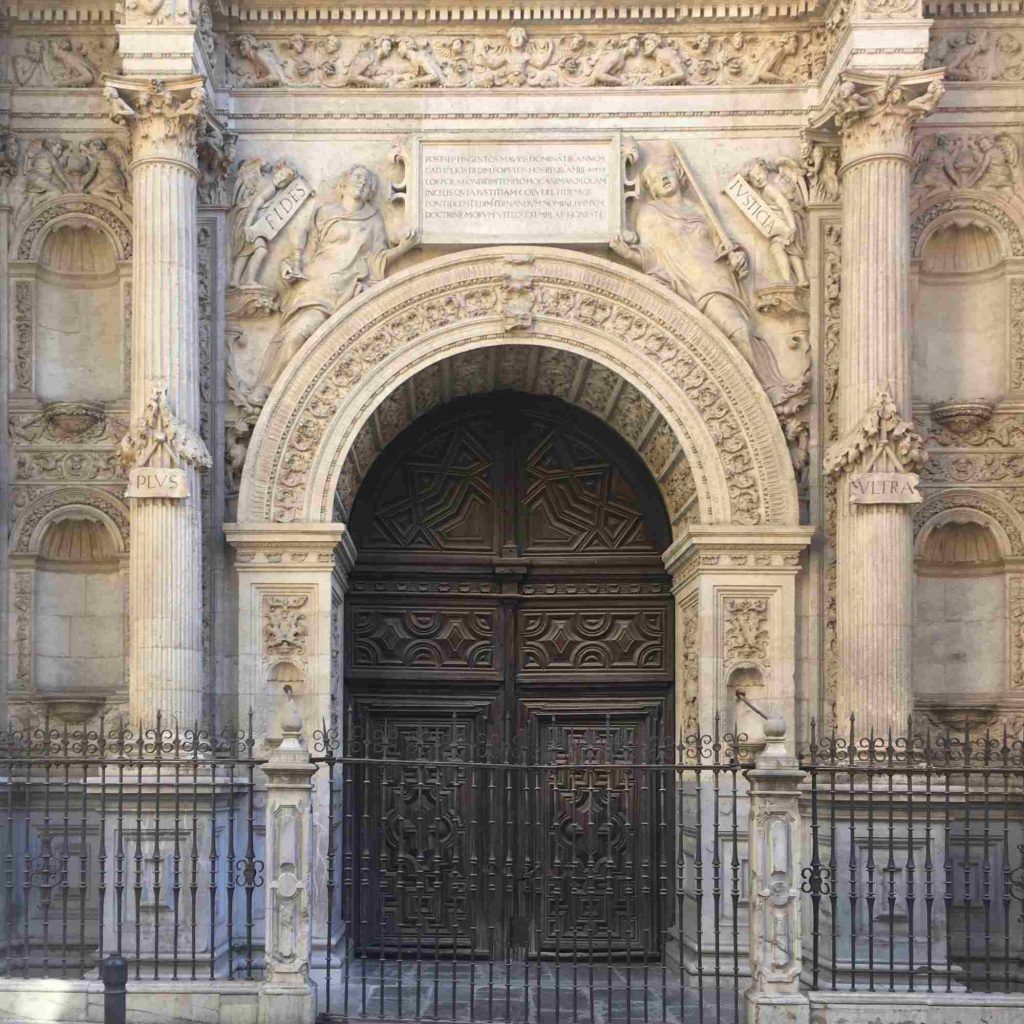
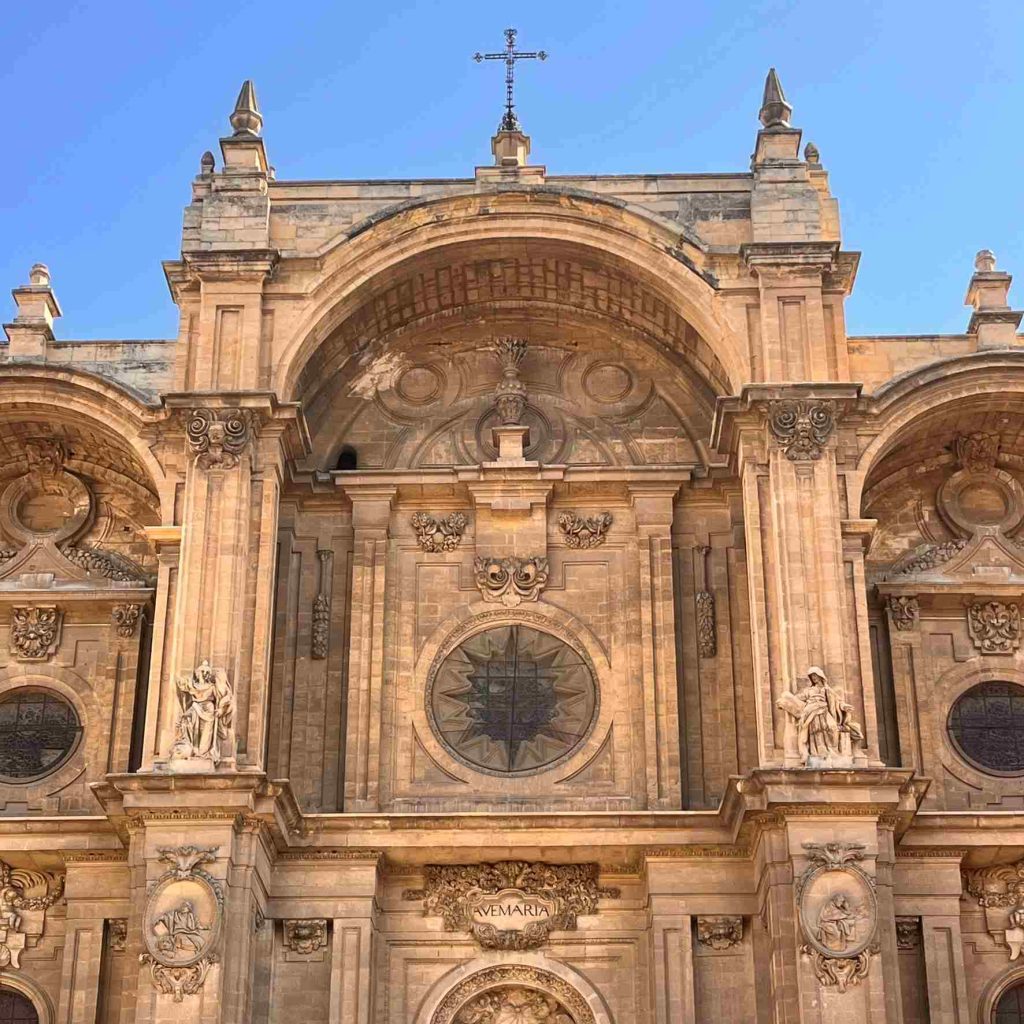
Of course, reality is far messier and more diverse than this simplified summary suggests. For example, Granada Cathedral was initially planned as a Gothic cathedral, before being redesigned by Diego de Siloé in the Italian Renaissance style. However, the Door of Forgiveness, which he himself created, is in the “earlier” Plateresque style, and as the cathedral took two centuries to complete, much of the interior, as well as the main façade, is decorated in the Baroque style.
De Siloé and Vandelvira both contributed to the design of Málaga Cathedral, which is once again a predominantly Renaissance building, but with Gothic and Baroque elements. Meanwhile, Seville’s cathedral is older and therefore mainly Gothic but has a 16th-century Renaissance Royal Chapel.
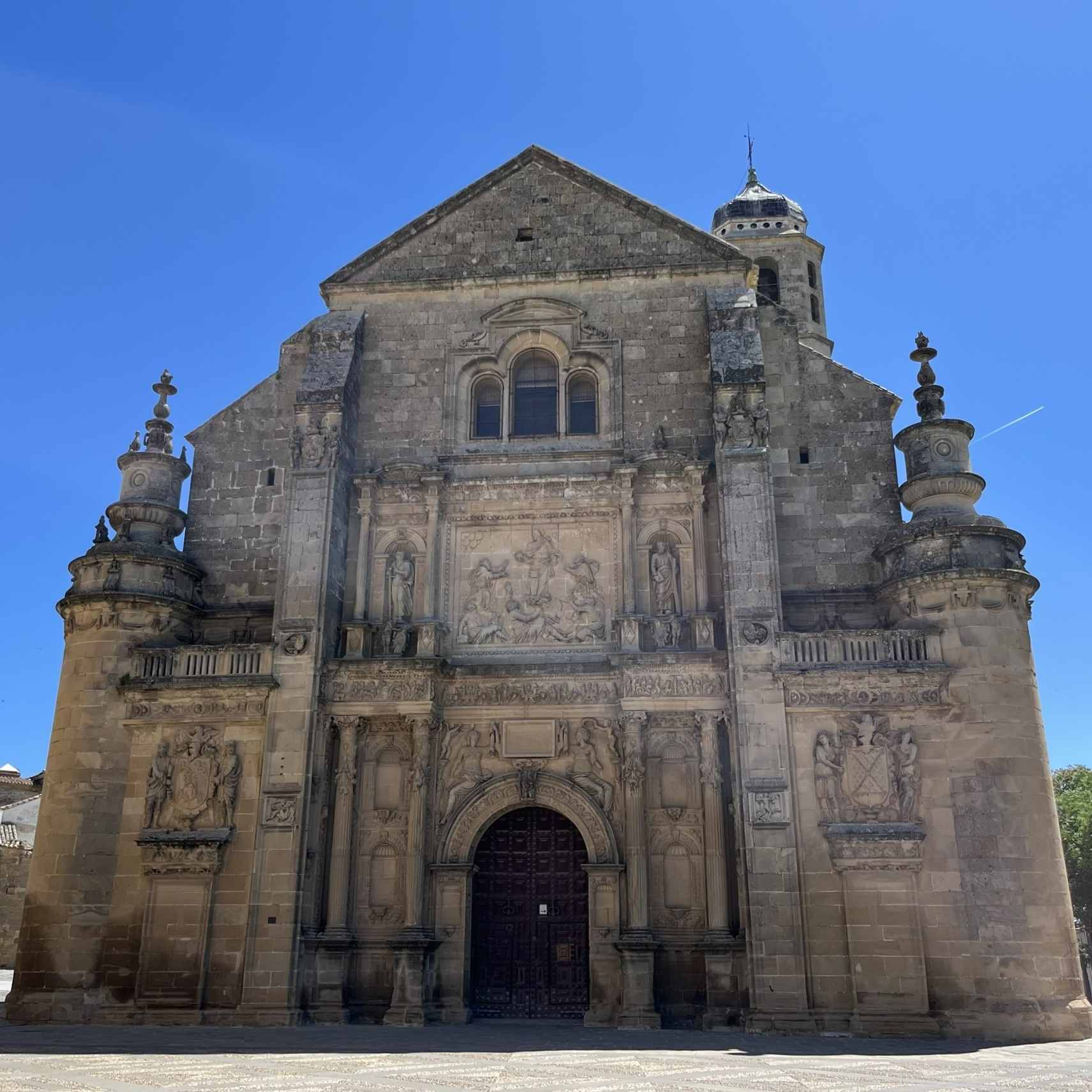
It is not just the cathedrals which don’t fit neatly into a timeline of evolving styles: buildings across Andalucía combine various architectural styles, not always added in the order you would expect. Although it was completed in the mid-16th century, the Holy Chapel of the Saviour in Úbeda has a Plateresque façade, while the Calahorra Castle near Guadix from the start of the 16th century is mainly in the Italian style.
In Seville, the Casa de Pilatos has elements like horseshoe arches and exposed brickwork typical of Mudéjar architecture, which are combined with Gothic, Plateresque and Italian Renaissance features. Mudéjar-inspired exposed brickwork is also on display in the façade of the Palacio de los Marqueses de Caicedo in Granada, which is otherwise a Mannerist mansion with symmetrical towers and a porticoed courtyard. And Jabalquinto Palace, mentioned earlier for its Isabelline façade, has a Renaissance courtyard with a Baroque stairway.
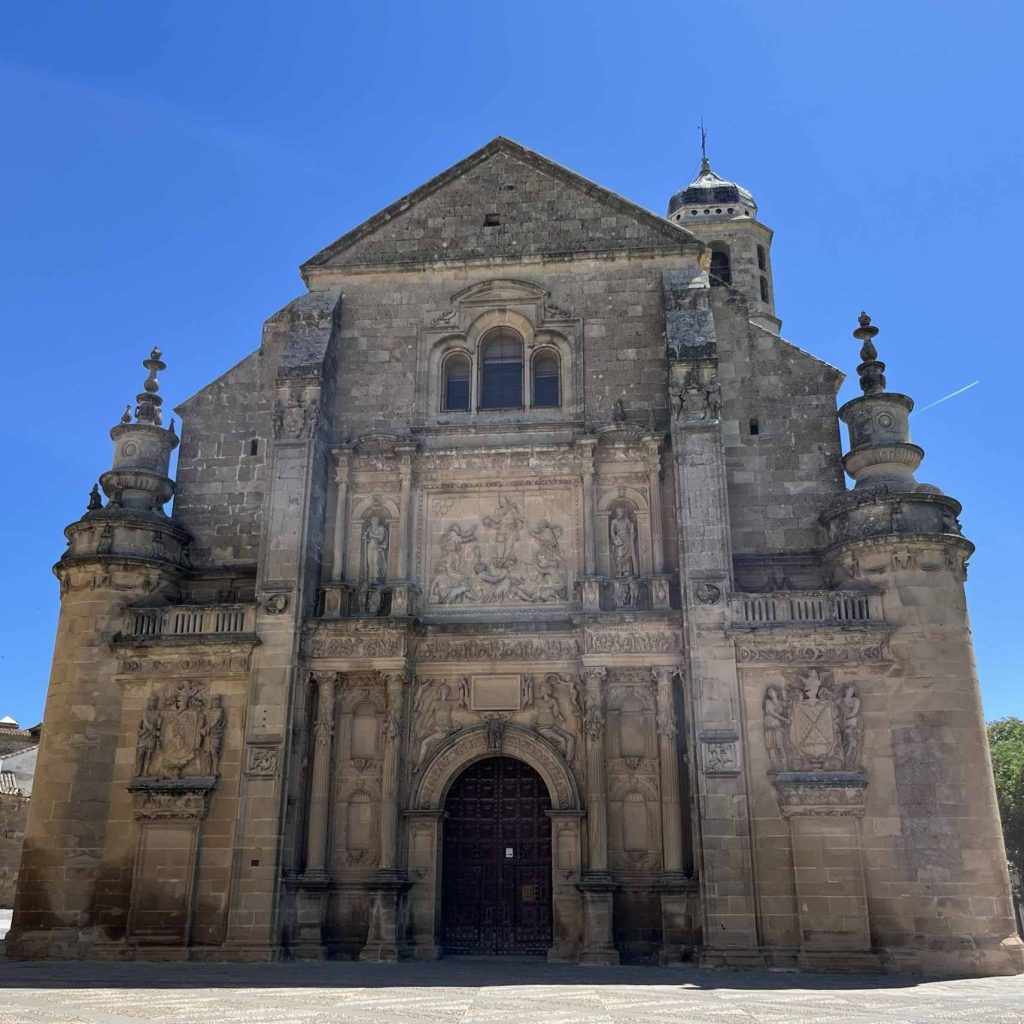
In fact, it is relatively unusual to find a building purely in the Renaissance style: much more often than not, once you dig a bit deeper you will discover Gothic, Mudéjar and Baroque design elements. While purists may object, perhaps this tendency to superimpose architectural styles and to combine them with local traditions is what gives historic buildings in Andalucía their idiosyncrasy and charm.
Related articles
Related audio tours
Related itineraries



Questions and answers
Plateresque is the name given to the first period of Renaissance architecture in Spain. The name comes from the Spanish word platero (“silversmith”), because Plateresque buildings have ornate stone tracery reminiscent of silverwork.
Úbeda and Baeza have been recognised as a UNESCO World Heritage Site for their exceptionally well-preserved Renaissance heritage, but all of the major cities have fine examples of Renaissance architecture, often blended with other styles.
The leading Renaissance architects in Andalucía were Diego de Siloé (whose works include Granada Cathedral), Andrés de Vandelvira (Jaén Cathedral and many buildings in Úbeda and Baeza) and Diego de Riaño (Seville City Hall).