Architecture

  • Cádiz

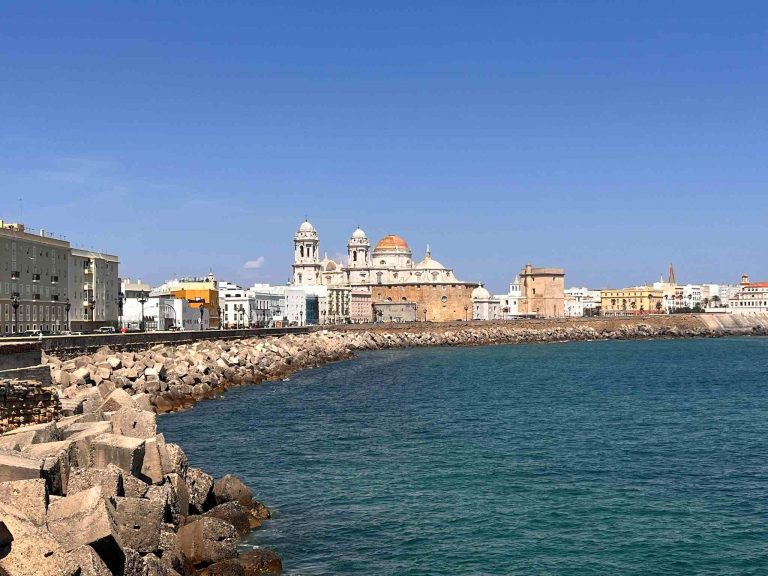
    Founded by the Phoenicians as a trading colony, Cádiz remained an important port city under the Romans. It came to the fore again in 1717, when the monopoly on trade with the Americas was transferred to Cádiz. Its coastal defences and watchtowers are testaments to its maritime heritage and strategic location.
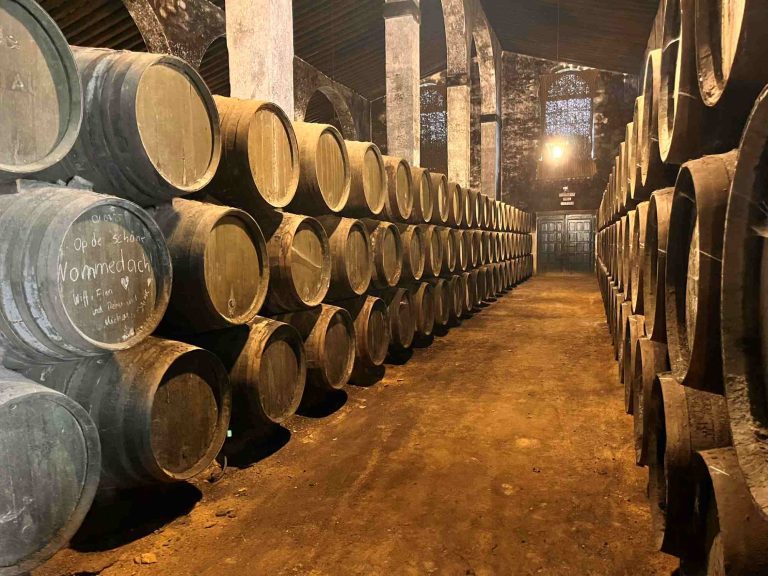
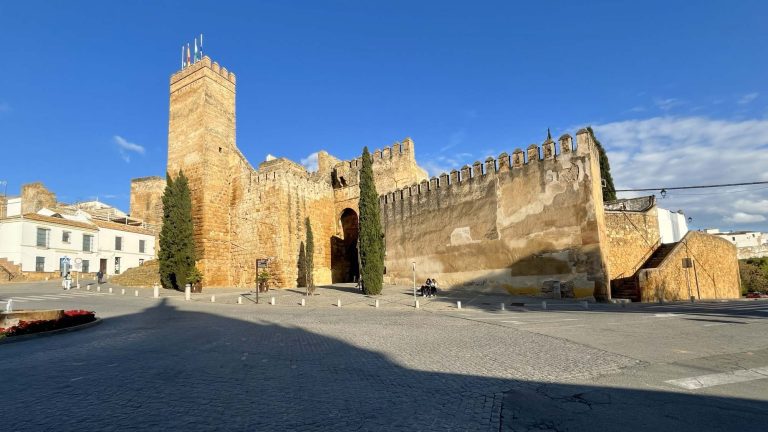
  • Jerez de la Frontera

    Best-known internationally for its sherry bodegas and dancing horses, Jerez de la Frontera is also one of the cradles of flamenco. Add to that its medieval fortress, the beautifully-presented archaeological museum, the central market with an amazing array of fish and seafood, and gourmet tapas served up in historic tabancos – there’s something for everyone.

  • Carmona

    Occupying a privileged position on an escarpment overlooking the lower Guadalquivir valley, Carmona has been inhabited for 5,000 years. The historic town centre echoes the Iberian, Carthaginian, Roman, Muslim, Jewish and Christian cultures that helped to shape it.

  • Renaissance Architecture

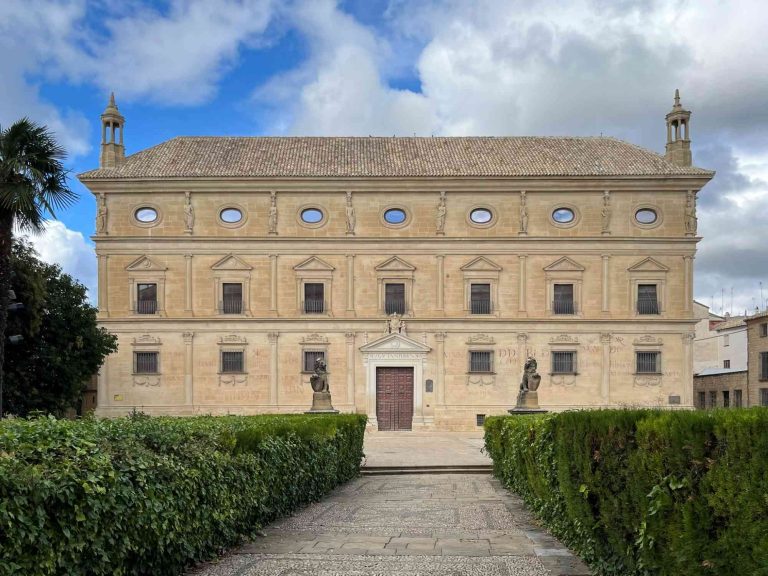
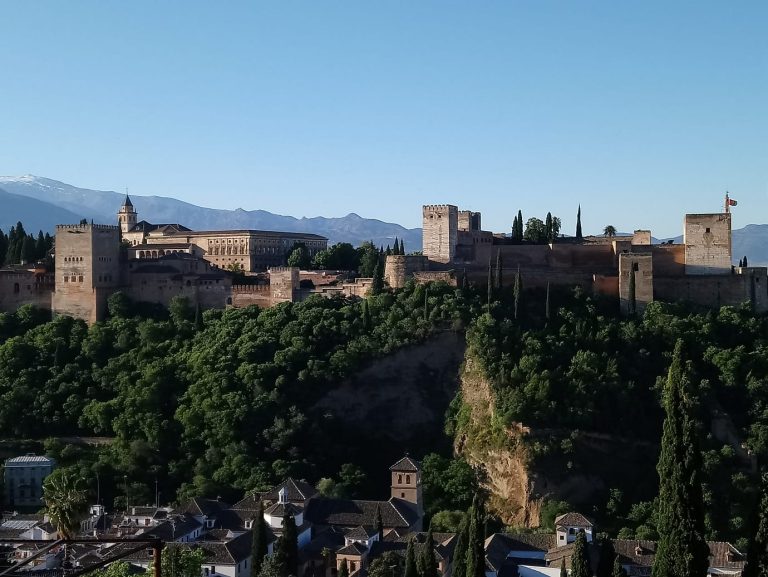
    This itinerary focusses on the Renaissance architecture of Granada and Jaén provinces. You’ll see masterpieces of the great architects Diego de Siloé and Andrés de Vandelvira, including the cathedrals in Granada and Baeza, and the Sacra Capilla del Salvador, a spectacular funerary chapel in Úbeda.

  • Seville

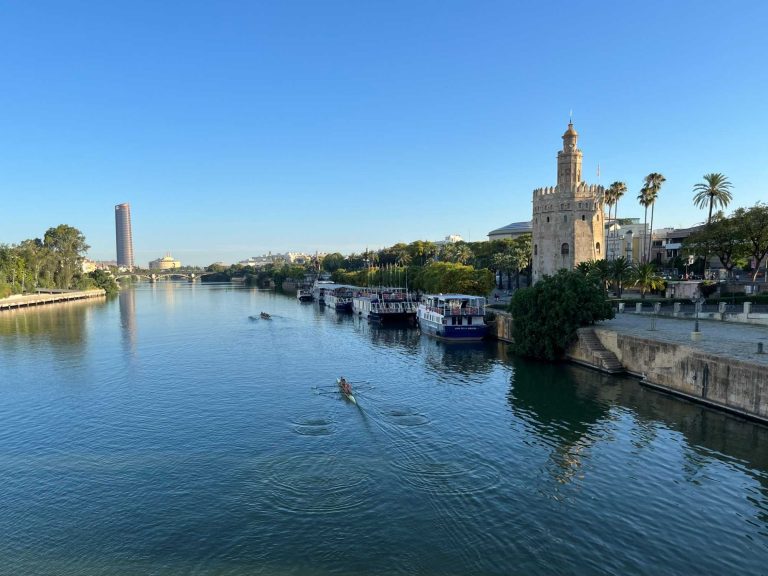
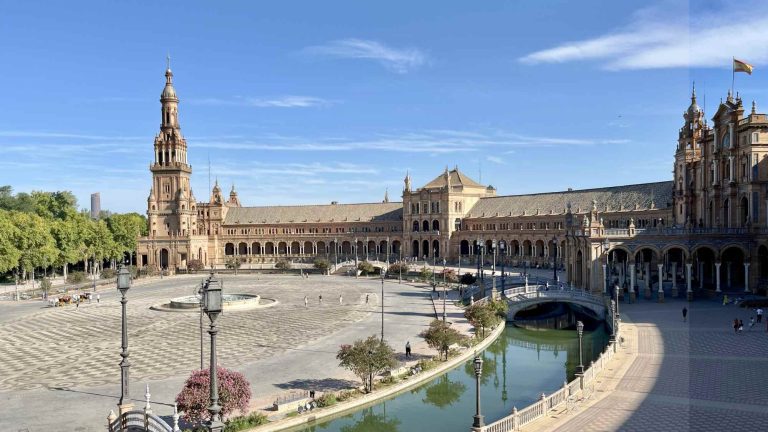
    This itinerary takes in the key sights while also stepping away from the tourist magnets into Seville’s most colourful and bustling neighbourhoods.

  • Málaga

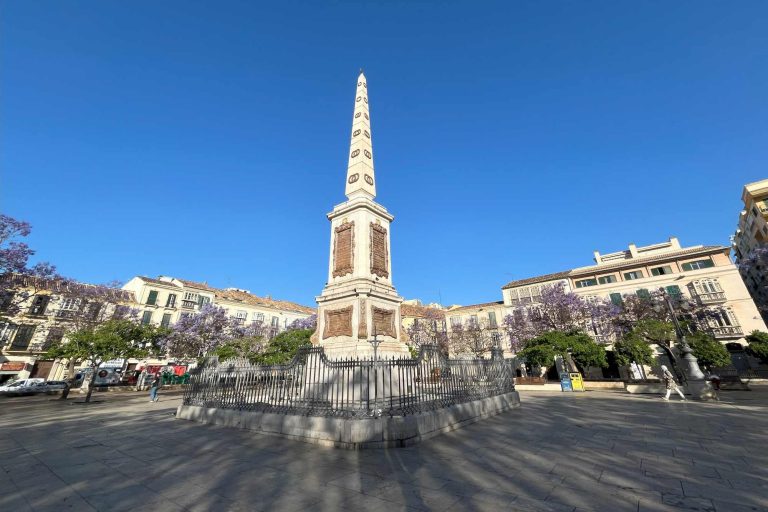
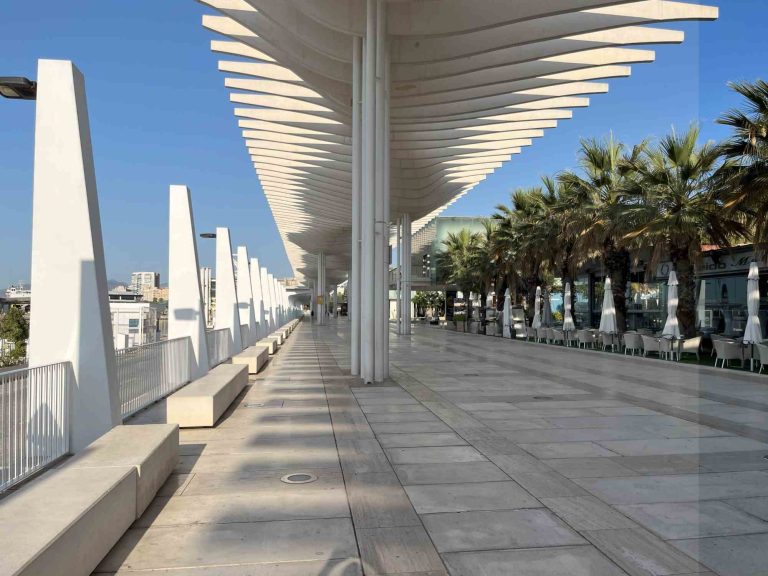
    Málaga has become popular for city breaks since its city centre blossomed with the addition of a new cruise port terminal and several art museums, capitalising on its status as the birthplace of Pablo Picasso. It can get pretty busy at times, but you don’t need to go far to get away from the hordes.