
Alhambra and Generalife
By far the most famous of Granada’s monuments is the spectacular Alhambra, or “red palace”, which is one of the finest and best-preserved examples of historic Islamic architecture in the world.
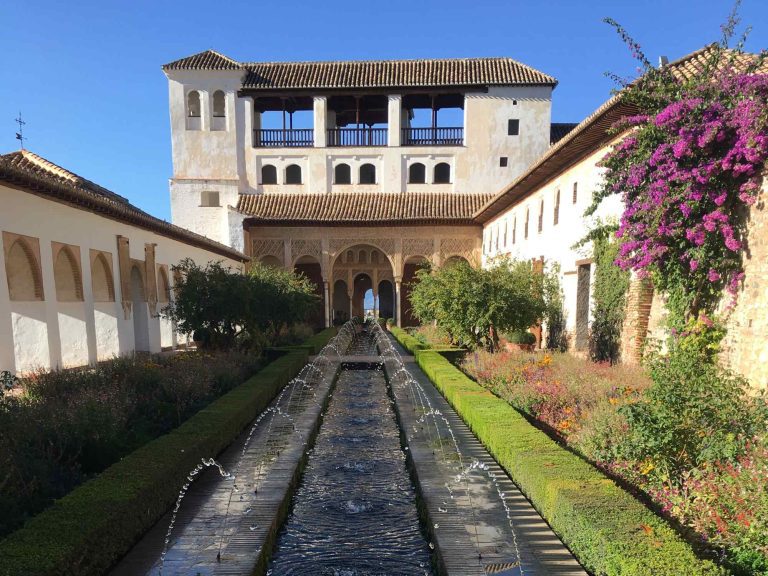
By far the most famous of Granada’s monuments is the spectacular Alhambra, or “red palace”, which is one of the finest and best-preserved examples of historic Islamic architecture in the world.
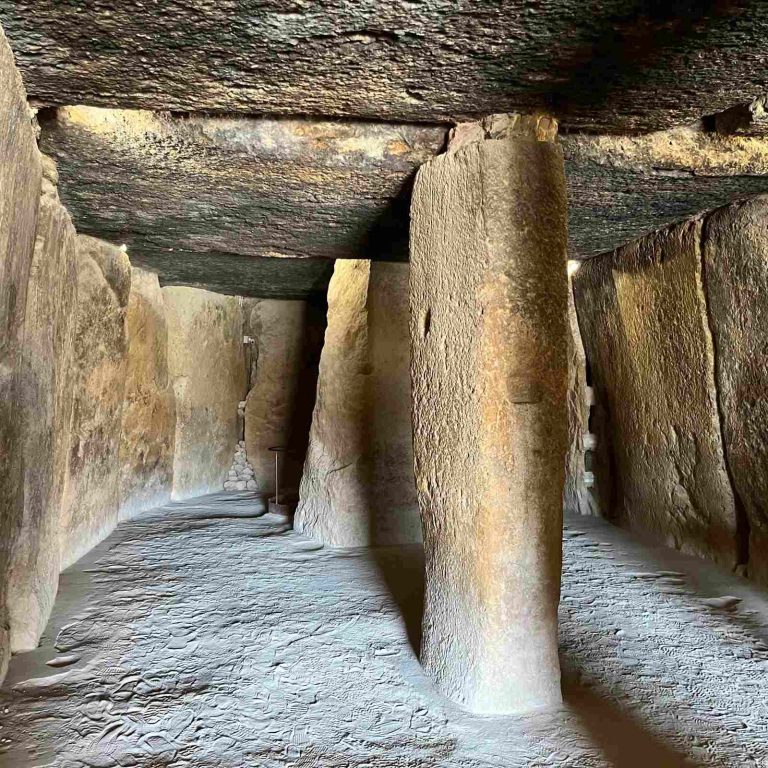
Antequera’s dolmens are an outstanding example of megalithic culture, and one of the most important prehistoric monuments anywhere in Spain. The word megalith means “great stone”, and megalithic cultures used huge rocks to create burial chambers and religious or ceremonial structures.
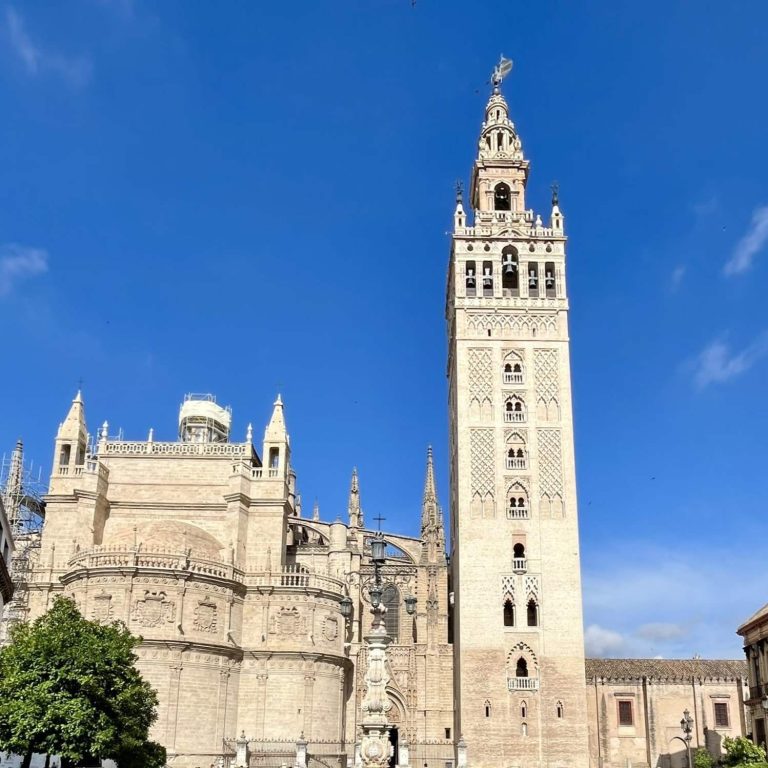
Officially called the Cathedral of Saint Mary of the See, Seville Cathedral is one of the world’s great religious monuments. Although it still retains a few structures from the Muslim period, most of the cathedral was built in the 15th and 16th centuries.
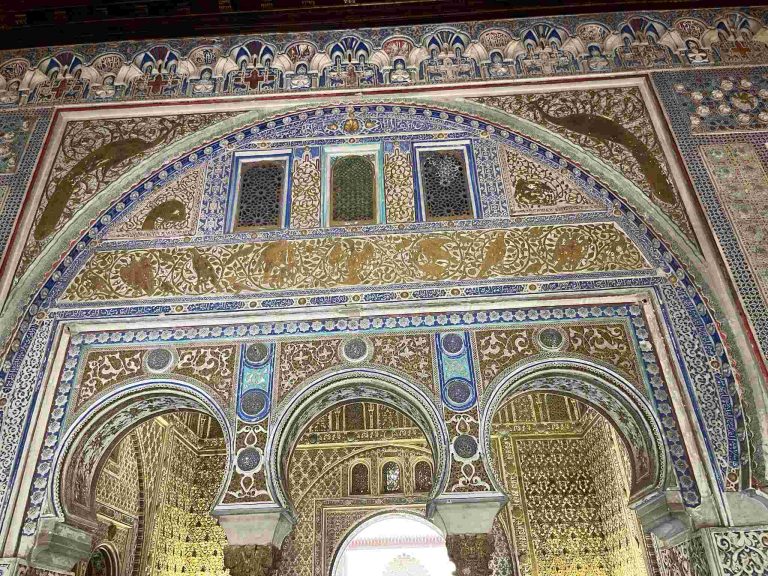
“Real” means “royal”, and Seville’s Real Alcázar likes to claim it’s the oldest royal palace still in use in Europe. It’s a fascinating and beautiful place, and you can easily spend a whole morning or afternoon exploring the palaces and gardens.
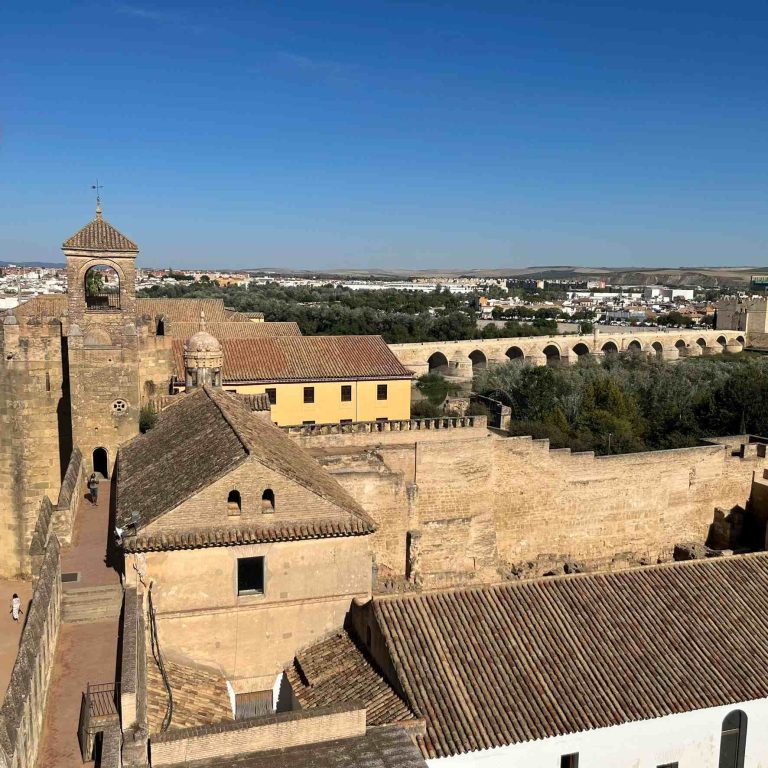
As its name suggests, the Alcázar de los Reyes Cristianos (Castle of the Christian Monarchs) is largely the work of Córdoba’s Christian rulers, but it is built on top of earlier Roman and Muslim structures.
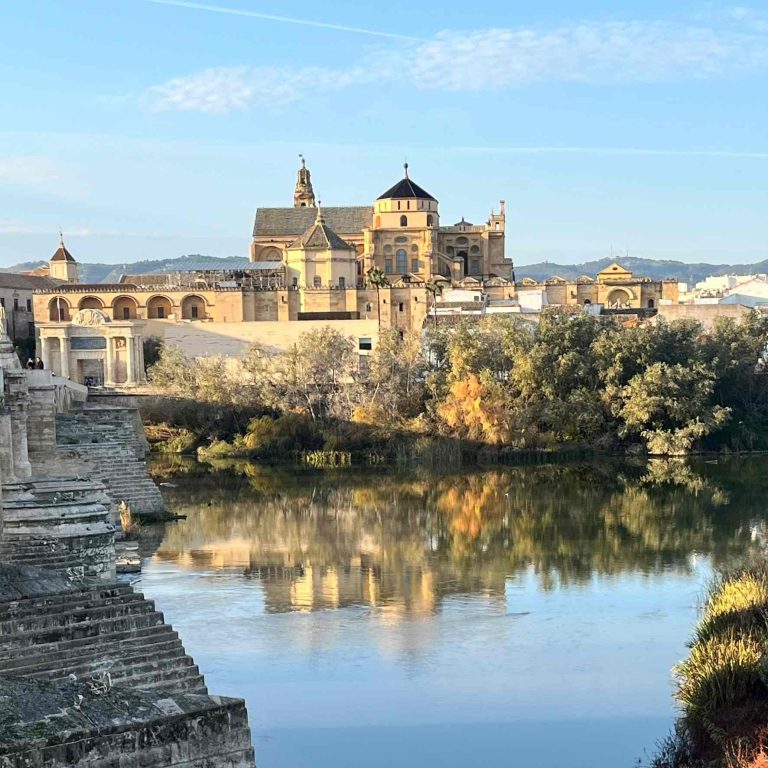
The idiosyncratic combination of Muslim and Christian religious architecture makes the Mezquita, as it is generally known, one of the world’s most remarkable and easily identifiable buildings. Together with the Alhambra, it is the outstanding example of Andalucía’s Islamic heritage, and no first visit to Córdoba would be complete without stepping inside.