
Triana
Until 1852, Triana on the “other” side of the River Guadalquivir was only connected to the city centre by a pontoon bridge. The district therefore developed its own colourful character.
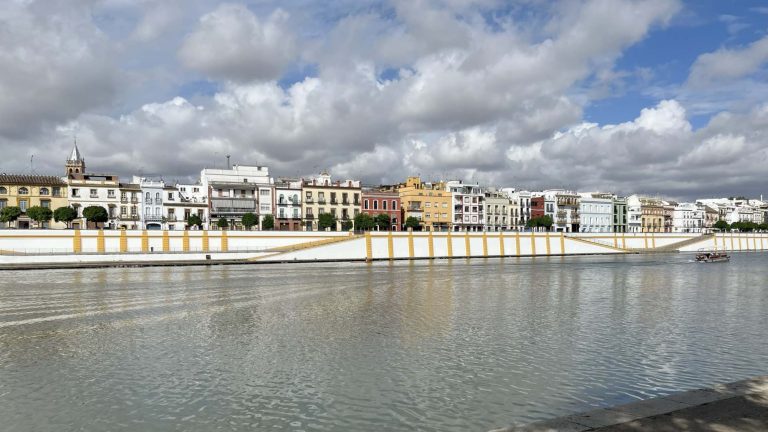
Until 1852, Triana on the “other” side of the River Guadalquivir was only connected to the city centre by a pontoon bridge. The district therefore developed its own colourful character.
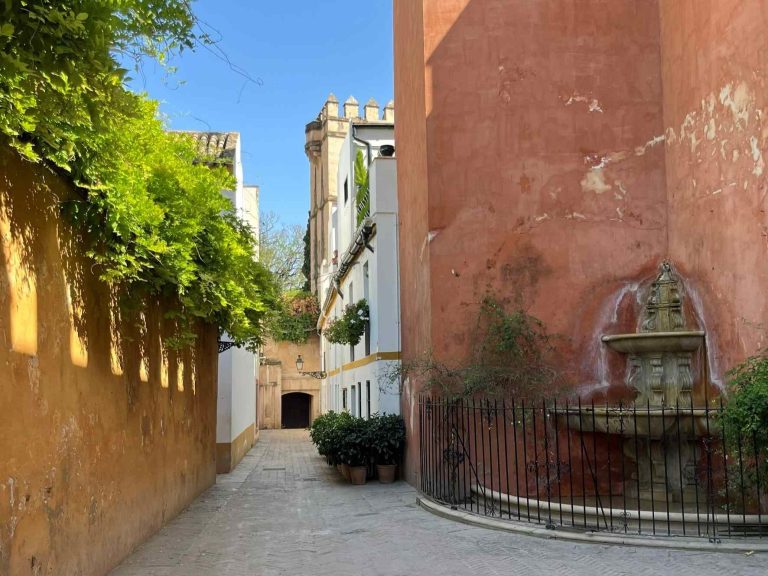
Just a stone’s throw from the cathedral and the Royal Alcázar, Seville’s Santa Cruz district is often referred to as the judería – or Jewish quarter. The main attraction is exploring the narrow, winding alleyways and quaint squares planted with jasmine and orange trees.
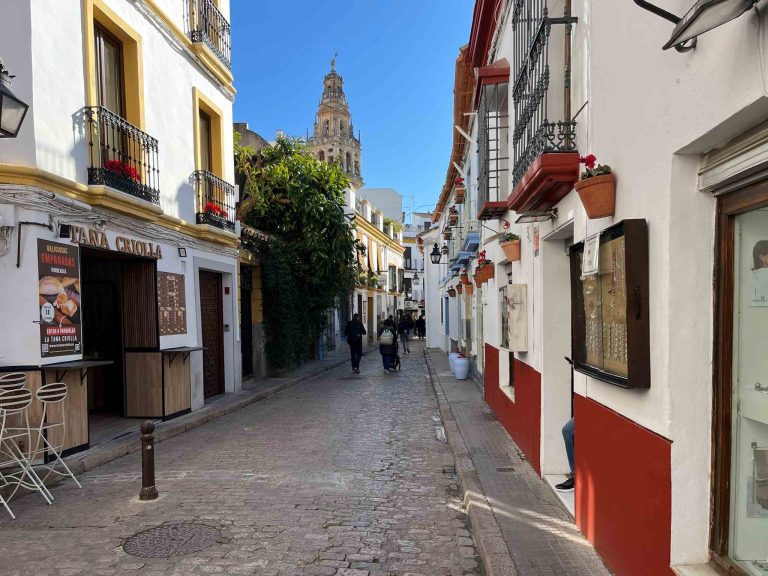
With its narrow, winding streets, the judería – or Jewish quarter – is perhaps the most charming part of Córdoba’s historic centre. It’s made up of 12 few streets centred around Plaza Maimonides, Calle Judíos and Calle Tomás Conde.
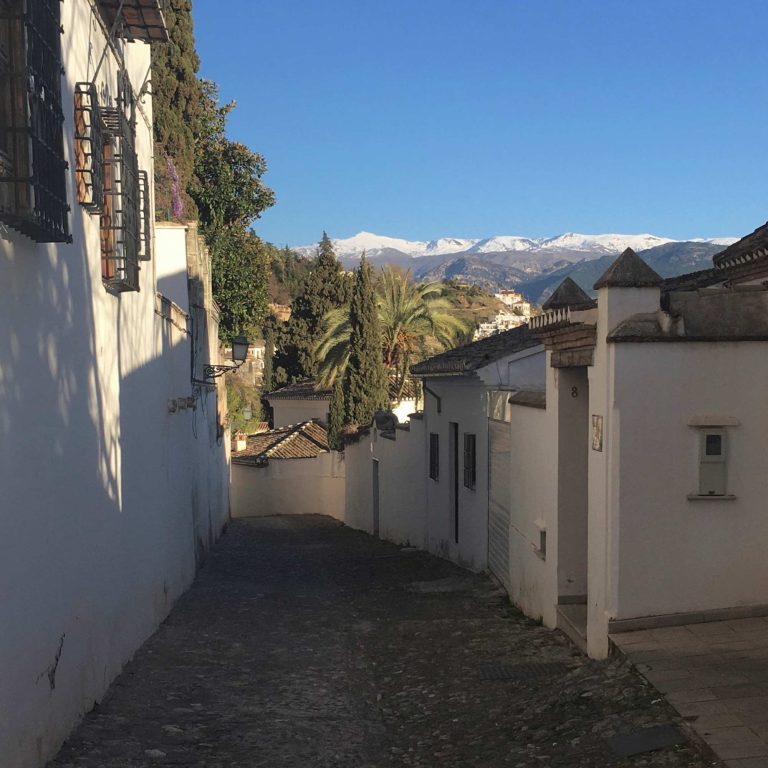
Realejo is thought to have been Granada’s main Jewish quarter. Although Realejo’s medieval origins are much less well-preserved than the Albaicín, it’s still a fascinating district to explore.
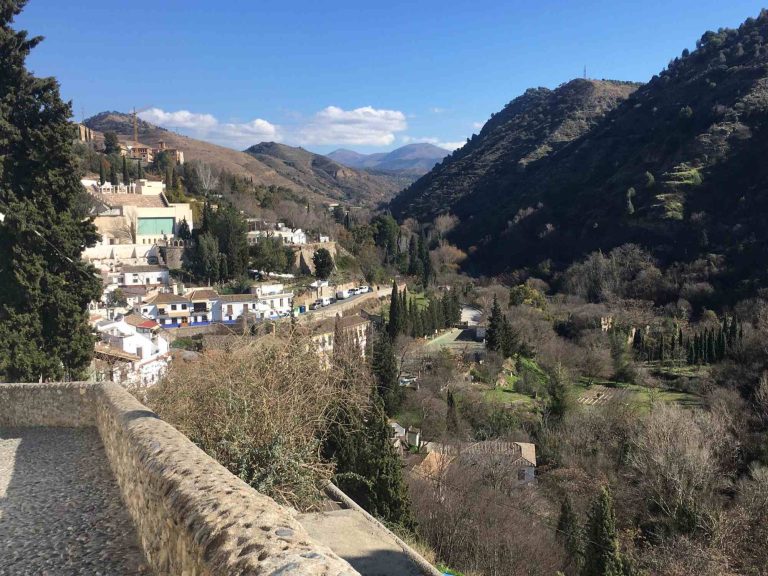
Just outside Granada’s old city walls lies Sacromonte, most famous for its cave houses. Historically, the residents of this neighbourhood were marginalised groups like the Roma. It was here that flamenco developed in Granada, and there are many atmospheric flamenco venues where you can catch a show.
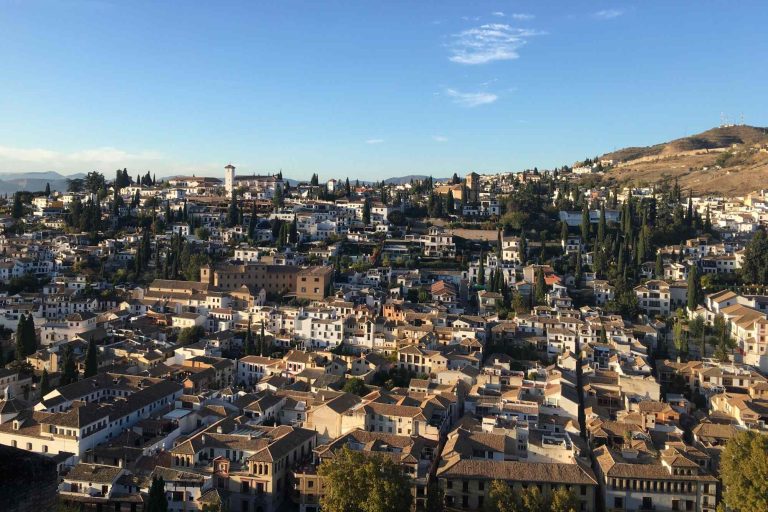
The Albaicín is the part of Granada which best preserves the character of the Muslim medieval city, and together with the Alhambra it is listed as a UNESCO World Heritage Site. You can easily spend a morning or afternoon getting lost in its narrow streets and alleyways.